
 EN
EN
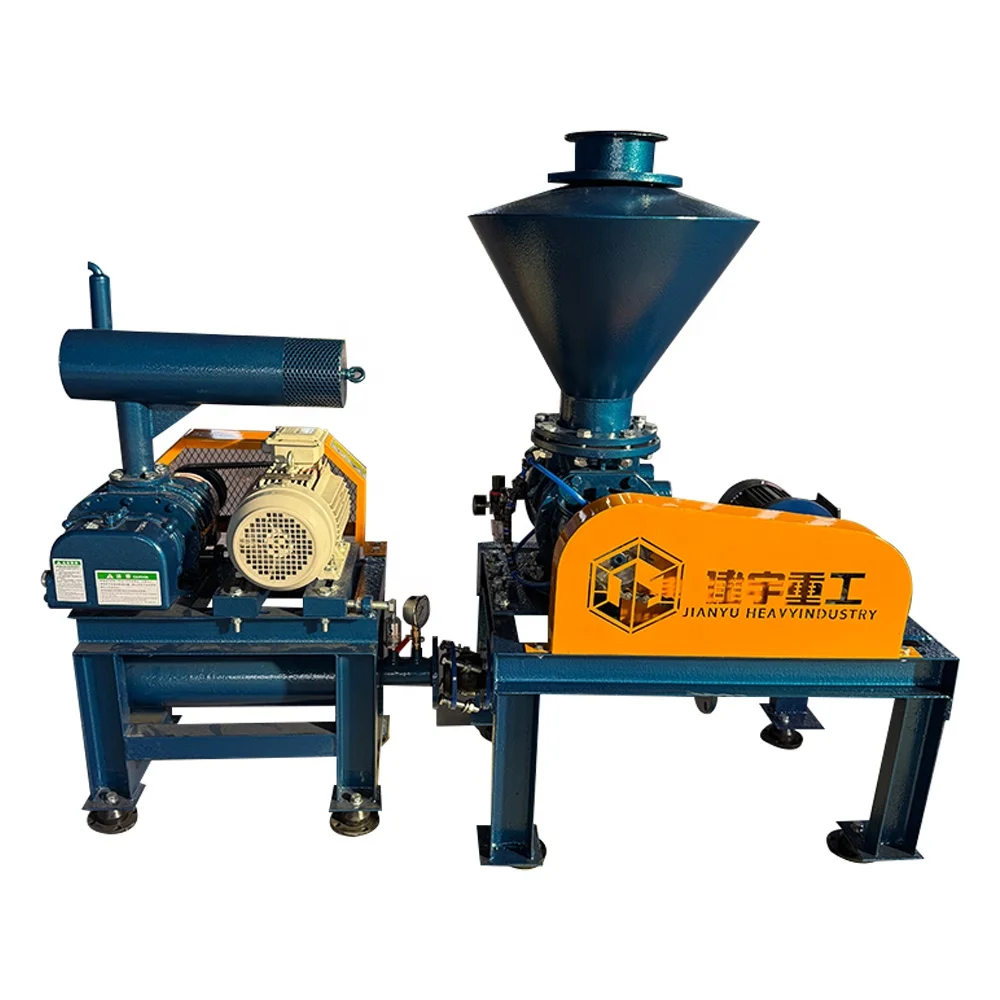
A rotary lobe blower represents a critical asset in many industrial operations, delivering consistent airflow for pneumatic transport, material handling, and pressure-sensitive applications. These positive displacement machines operate by trapping air between rotating lobes and the housing, forcing it through discharge ports with minimal pulsation. Understanding the maintenance requirements that keep this equipment functioning at peak efficiency is essential for minimizing downtime, extending equipment life, and protecting your operational productivity. Proper care directly translates to reliable performance, reduced energy consumption, and lower overall operating costs across diverse positive displacement blower applications.
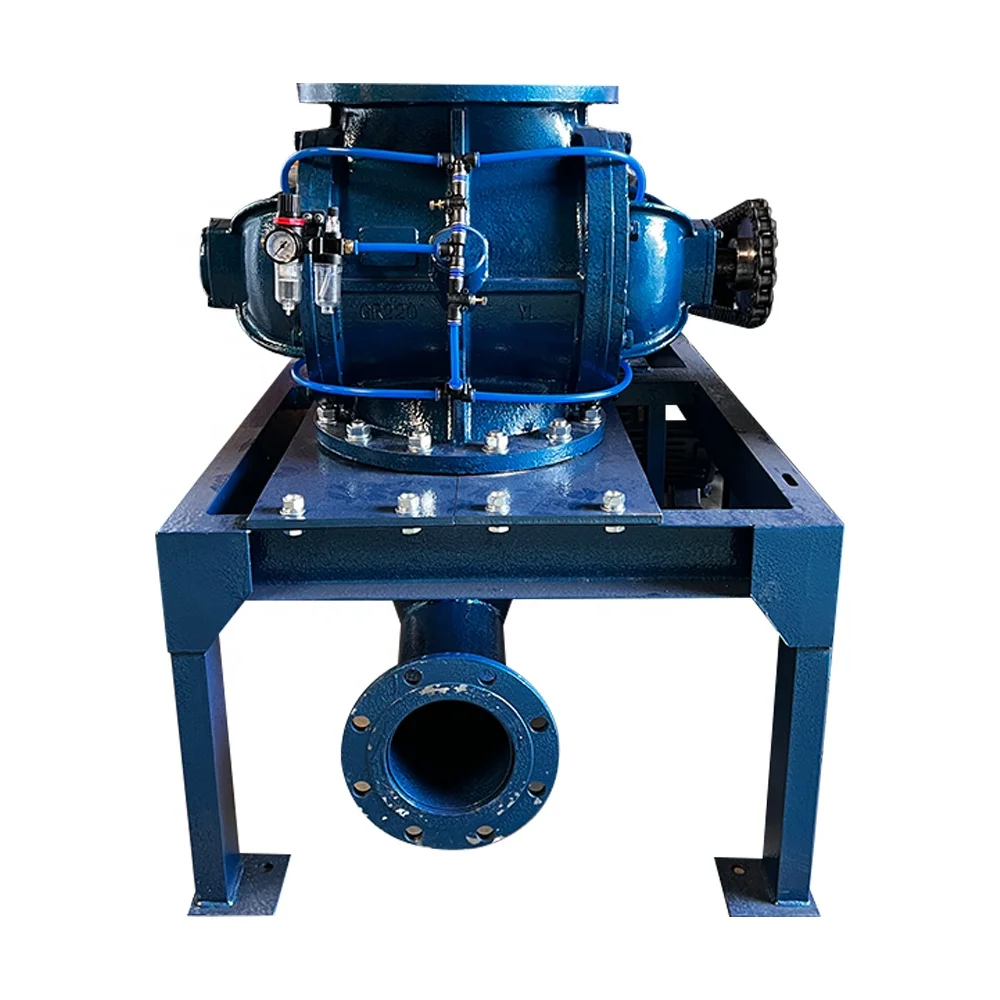
Effective rotary blower maintenance and troubleshooting begins with a comprehensive understanding of how these machines work and what causes performance degradation. Low pressure high volume air pump specifications demand precision engineering, tight tolerances, and consistent lubrication to function reliably. Neglecting routine maintenance practices creates a cascade of problems: bearing wear accelerates, seal integrity compromises, discharge temperatures rise dangerously, and efficiency plummets. This guide explores the maintenance strategies that preserve your investment and ensure your equipment meets operational demands reliably and cost-effectively.
Essential Preventive Maintenance Schedules
Oil and Lubrication Management
Proper lubrication forms the foundation of rotary lobe blower reliability and longevity. The oil circulates through internal passages, cooling bearing surfaces, reducing friction, and protecting critical components from wear. Using the manufacturer-specified oil grade and viscosity is non-negotiable. Synthetic oils often provide superior performance across temperature ranges and extend drain intervals compared to conventional mineral oils. Check oil levels weekly on units with dipsticks, and maintain levels within the marked range to ensure adequate protection.
Establishing a documented oil change schedule prevents deferred maintenance decisions that compound problems later. Most manufacturers recommend oil changes every 500 to 1,000 operating hours, depending on operating conditions, air cleanliness, and oil type. Hot, dusty environments may require more frequent changes. When changing oil, inspect the drained oil for metallic particles, discoloration, or signs of water contamination. These indicators reveal internal wear patterns or cooling system leaks that require immediate investigation before resuming normal operation.
Air Filter Inspection and Replacement
Air intake cleanliness directly impacts rotary blower maintenance and troubleshooting success rates. Particulate contamination accelerates internal wear, especially on precision lobes and bearing surfaces. Inspect intake filters at regular intervals and replace them when pressure differential exceeds manufacturer recommendations. A clogged filter forces the blower to work harder, raising discharge temperatures and reducing efficiency while positive displacement blower applications demand consistent performance. Clean filter elements using compressed air applied from the clean side, never from the dirty side, to avoid driving accumulated particles deeper into the media.
Consider installing magnetic drain plugs and inspection ports on discharge lines to monitor for debris that may bypass primary filtration. Particles appearing in discharge indicate filter failure or upstream contamination. Address these findings immediately to prevent downstream system damage and maintain reliable positive displacement blower applications in your facility.
Operational Monitoring and Temperature Control
Discharge Temperature Management
Discharge temperature serves as a critical health indicator for your rotary lobe blower. As the machine ages or loses efficiency, discharge temperatures rise, signaling internal resistance or wear patterns requiring attention. Excessive heat accelerates oil breakdown, degrades seal materials, and reduces bearing lifespan dramatically. Install temperature monitoring at discharge ports and establish maximum operating thresholds aligned with equipment specifications. Low pressure high volume air pump specifications typically establish maximum discharge temperatures between 200°F and 230°F depending on the model and application context.
When discharge temperatures exceed normal ranges, investigate root causes systematically. Clogged air filters force the blower to work harder, generating excess heat. Worn lobes or bearings increase internal friction and energy loss. Inadequate cooling or compromised oil circulation accelerates temperature rise. By identifying and correcting temperature drivers promptly, you prevent catastrophic failures and maintain safe operational conditions.
Sound and Vibration Assessment
Unusual noise or vibration patterns provide early warning signals of emerging problems in rotary blower maintenance and troubleshooting protocols. Normal operation produces a characteristic hum and regular pulsation tone. Grinding sounds, squealing, or irregular rhythmic noise suggest bearing damage, loose components, or lobe contact with the housing. Excessive vibration transmitted through mounting feet indicates misalignment, worn bearings, or structural looseness requiring immediate attention before damage spreads to connected systems.
Establish baseline sound and vibration signatures during normal operation so you recognize changes signaling emerging issues. Periodic vibration monitoring using portable instruments provides objective data about equipment condition and helps predict maintenance requirements before failures occur unexpectedly.
Seal Integrity and System Pressure Control
Seal Condition Evaluation
Shaft seals prevent oil leakage and contamination ingress that compromise rotary lobe blower performance and reliability. Weeping oil around shaft areas typically indicates seal degradation requiring replacement before complete failure. Seal failure accelerates when discharge pressures rise above design specifications or when oil conditions degrade. Maintaining proper discharge pressure within manufacturer limits protects seals and extends their operational lifespan significantly.
For positive displacement blower applications requiring stringent performance, implement quarterly seal inspections to detect early wear patterns. Document observations and plan seal replacement during scheduled maintenance windows rather than waiting for catastrophic failure that forces emergency downtime.
Relief Valve Function Testing
Safety relief valves protect your rotary lobe blower and connected systems from dangerous pressure surges. These components must function reliably to prevent equipment damage and maintain operational integrity. Test relief valve response by gradually increasing system backpressure while monitoring pressure gauges. The valve should open smoothly at the setpoint and maintain consistent relieving action across normal operating range. Low pressure high volume air pump specifications typically establish relief setpoints based on equipment design, material ratings, and application requirements.
If relief valves fail to respond properly or stick open, service or replace them immediately. Stuck valves create uncontrolled pressure conditions or allow unregulated discharge, both compromising system performance and creating hazardous conditions for personnel and equipment.
FAQ
How often should oil be changed in a rotary lobe blower?
Oil change intervals typically range from 500 to 1,000 operating hours depending on operating conditions and oil type. Hotter, dustier environments may require more frequent changes. Always follow your equipment manufacturer's specific recommendations and monitor oil condition visually for signs of contamination or degradation that may require earlier replacement regardless of scheduled intervals.
What causes excessive discharge temperature in a rotary blower?
Excessive discharge temperatures commonly result from clogged air filters forcing the blower to work harder, worn internal components increasing friction, inadequate oil circulation or cooling, or system backpressure exceeding design limits. Investigate temperature increases systematically by checking filter condition, inspecting for leaks, verifying oil levels and circulation, and confirming that system pressure remains within manufacturer specifications for your positive displacement blower applications.
How can I detect early signs of rotary blower bearing failure?
Listen for grinding, squealing, or irregular noise patterns that differ from normal operating sounds. Monitor discharge temperature for unexplained increases indicating friction rise. Check for unusual vibration transmitted through equipment mounting points. Inspect the oil for metallic particles suggesting internal wear. These indicators together point toward bearing damage requiring bearing replacement or professional service before complete failure causes cascading equipment damage and costly downtime.