
 EN
EN
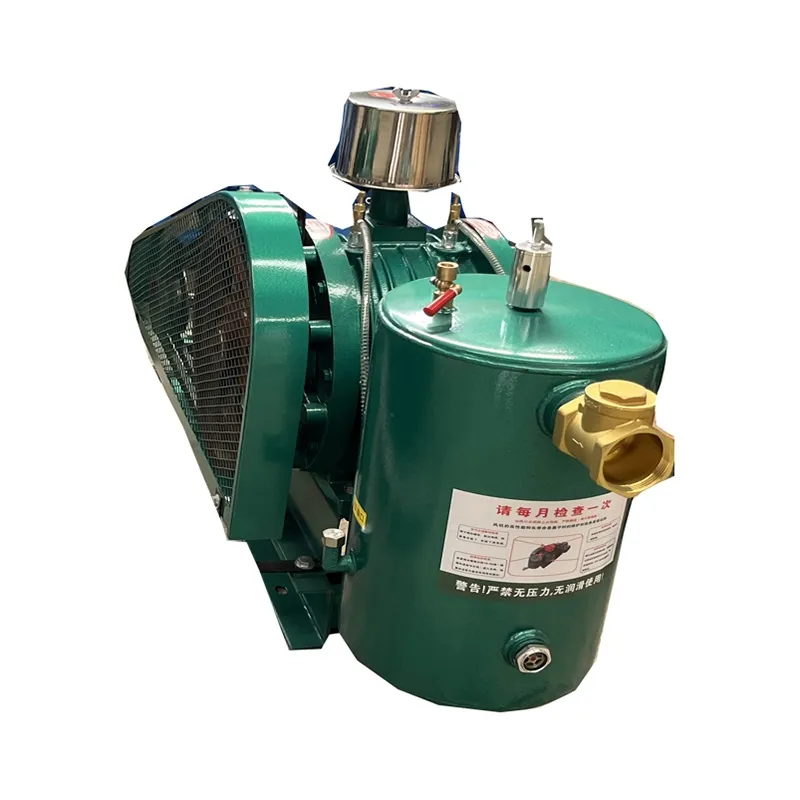
Wastewater treatment facilities rely on consistent, dependable aeration to maintain biological processes and meet environmental regulations. A rotary lobe blower has emerged as a trusted solution for large-scale aeration systems, delivering the sustained airflow and pressure stability that modern treatment plants demand. These positive displacement machines operate differently from centrifugal alternatives, offering distinct advantages for demanding wastewater environments where reliability and efficiency directly impact operational success.
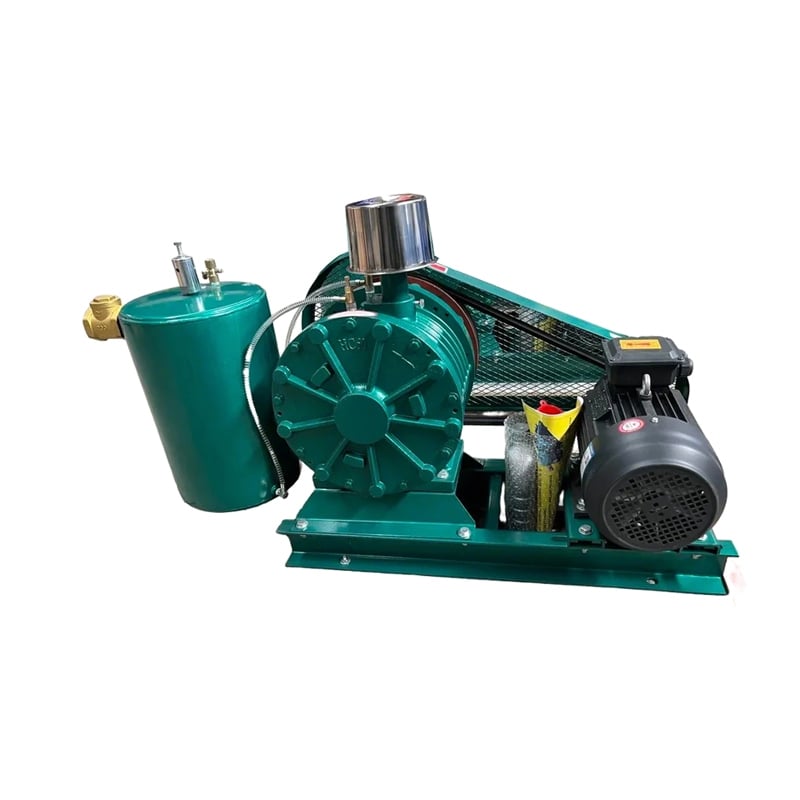
Understanding whether a rotary lobe blower can handle large-scale wastewater aeration requires examining its operating principle, capacity range, and real-world performance metrics. Facility managers, engineers, and procurement specialists need clear guidance on sizing, installation, and lifecycle management to ensure their investment delivers expected air delivery and cost efficiency over many years of continuous operation.
How Rotary Lobe Blowers Perform in Wastewater Aeration
Operating Principle and Flow Characteristics
Rotary lobe blowers use two counter-rotating lobes to trap and compress air in expanding and contracting chambers. Unlike centrifugal compressors, this positive displacement blower design maintains consistent volumetric flow across a wide pressure range. In wastewater aeration, this means the blower delivers steady airflow regardless of back-pressure fluctuations caused by rising sludge levels, diffuser fouling, or changing water depth. The low pressure high volume air pump specifications typical of wastewater systems align perfectly with rotary lobe blower strengths, which excel at high volume delivery with modest pressure requirements.
Capacity and Scalability
Modern rotary lobe blower units scale effectively from small treatment plants to massive municipal facilities processing millions of gallons daily. Available displacement ranges span from compact 10 cubic feet per minute models to industrial-scale units exceeding 500 CFM, making capacity selection straightforward for most aeration basin configurations. Parallel operation of multiple units allows additional flexibility when a single blower cannot meet total oxygen demand. This scalability, combined with proven positive displacement blower applications across decades of wastewater treatment history, positions the rotary lobe blower as a reliable backbone for aeration infrastructure that operates continuously regardless of weather, time, or seasonal load variations.
Positive Displacement Blower Applications in Large-Scale Systems
Extended Runtime and Energy Demand
Wastewater aeration typically demands 12 to 24 hours of continuous daily operation, making equipment durability and energy efficiency critical factors in total cost of ownership. Rotary lobe blower design inherently supports this continuous runtime without sacrificing performance. The positive displacement principle ensures that motor load remains proportional to actual flow requirement rather than spiking with pressure transients. Facilities report that energy consumption remains predictable and stable, enabling accurate budgeting and reducing surprise maintenance costs that sometimes accompany centrifugal systems under variable-pressure conditions.
Integration with Aeration Basin Architecture
Large-scale treatment plants often feature multiple aeration basins operating in parallel, series, or hybrid configurations to maximize treatment efficiency. Rotary lobe blower systems adapt readily to these complex layouts because they maintain pressure consistency even when diffuser distribution networks span hundreds of feet or when basin water levels fluctuate during treatment cycles. Installation of positive displacement blower applications in these scenarios requires thoughtful piping design and minor pressure relief provisions, but the underlying robustness of the rotary lobe blower concept simplifies integration compared to systems requiring tighter pressure control or experiencing flow dropout under elevated back-pressure conditions.
Maintenance, Troubleshooting, and Lifecycle Value
Preventive Maintenance Requirements
Rotary lobe blower maintenance and troubleshooting follow straightforward protocols that facility operators can master quickly. Routine tasks include oil level checks, filter element replacement, and bearing inspection at manufacturer-specified intervals, typically ranging from 2,000 to 4,000 operating hours depending on ambient conditions and load profile. The positive displacement design involves fewer dynamic components than alternatives, reducing the number of failure modes and accelerating troubleshooting when issues do arise. Many facilities schedule blower maintenance during planned system downtime or operate redundant units in hot-standby mode, ensuring continuous aeration even when maintenance is underway.
Common Issues and Resolution Pathways
Rotary lobe blower maintenance and troubleshooting typically addresses temperature rise, noise increase, or gradual flow degradation rather than sudden catastrophic failure. Elevated discharge temperature often signals filter clogging or inadequate cooling air circulation, resolved through filter cleaning and ventilation improvement. Noise increase may indicate bearing wear or lobe timing drift, detectable through vibration analysis and addressable through planned bearing replacement or factory overhaul. Low pressure high volume air pump specifications form the diagnostic baseline; deviations from nameplate performance prompt systematic investigation of inlet restrictions, outlet blockages, or internal seal degradation. Documented troubleshooting procedures and readily available replacement parts ensure rapid recovery when issues occur, minimizing unplanned treatment interruptions.
FAQ
Can a rotary lobe blower truly handle full-capacity wastewater aeration year-round without failure?
Yes, modern rotary lobe blower designs built for industrial duty regularly operate continuously for 5 to 10 years or longer without major overhaul when proper maintenance is performed. Wastewater aeration demands represent ideal conditions for rotary lobe blower operation because they require steady, moderate pressure rather than extreme pressure spikes. Facility records consistently show that units properly sized, installed, and maintained deliver reliable year-round performance, often exceeding original design life expectations.
How does positive displacement blower design compare to centrifugal alternatives for wastewater treatment?
Positive displacement blower applications excel where flow consistency and pressure stability matter most. Rotary lobe blowers maintain constant volumetric delivery across pressure ranges, while centrifugal units experience flow variation and surge risk under changing back-pressure. For wastewater systems, this means the rotary lobe blower guarantees reliable oxygen delivery even as basin conditions change, whereas centrifugal models may require more sophisticated control systems and anti-surge devices, adding complexity and cost.
What is the typical service interval for rotary lobe blower maintenance in wastewater facilities?
Rotary lobe blower maintenance and troubleshooting schedules typically recommend filter changes every 500 to 1,000 operating hours, oil analysis every 1,000 hours, and bearing inspection every 2,000 to 4,000 hours depending on operating temperature and ambient dust levels. Most facilities establish maintenance plans aligned with seasonal treatment patterns, scheduling major service during lower-demand periods. Following manufacturer guidelines and documenting all service activities ensures the low pressure high volume air pump maintains specified performance and resale value throughout its operating life.
Table of Contents
- How Rotary Lobe Blowers Perform in Wastewater Aeration
- Positive Displacement Blower Applications in Large-Scale Systems
- Maintenance, Troubleshooting, and Lifecycle Value
-
FAQ
- Can a rotary lobe blower truly handle full-capacity wastewater aeration year-round without failure?
- How does positive displacement blower design compare to centrifugal alternatives for wastewater treatment?
- What is the typical service interval for rotary lobe blower maintenance in wastewater facilities?