
 EN
EN
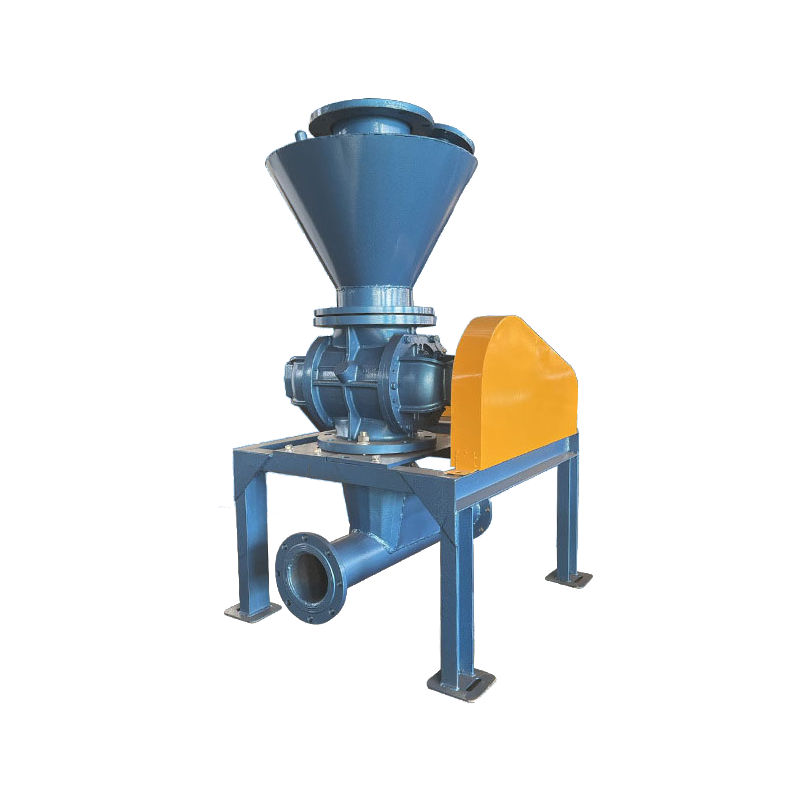
Modern powder handling operations demand efficiency, precision, and reliability. A pneumatic vacuum conveyor represents a transformative solution for industries managing fine materials, from pharmaceuticals to food processing. By leveraging air pressure differentials, these systems transport powders and granules cleanly, safely, and consistently—reducing manual labor, minimizing product degradation, and lowering operational costs. Understanding how a pneumatic vacuum conveyor improves efficiency reveals why leading manufacturers prioritize this technology for their material transfer workflows.
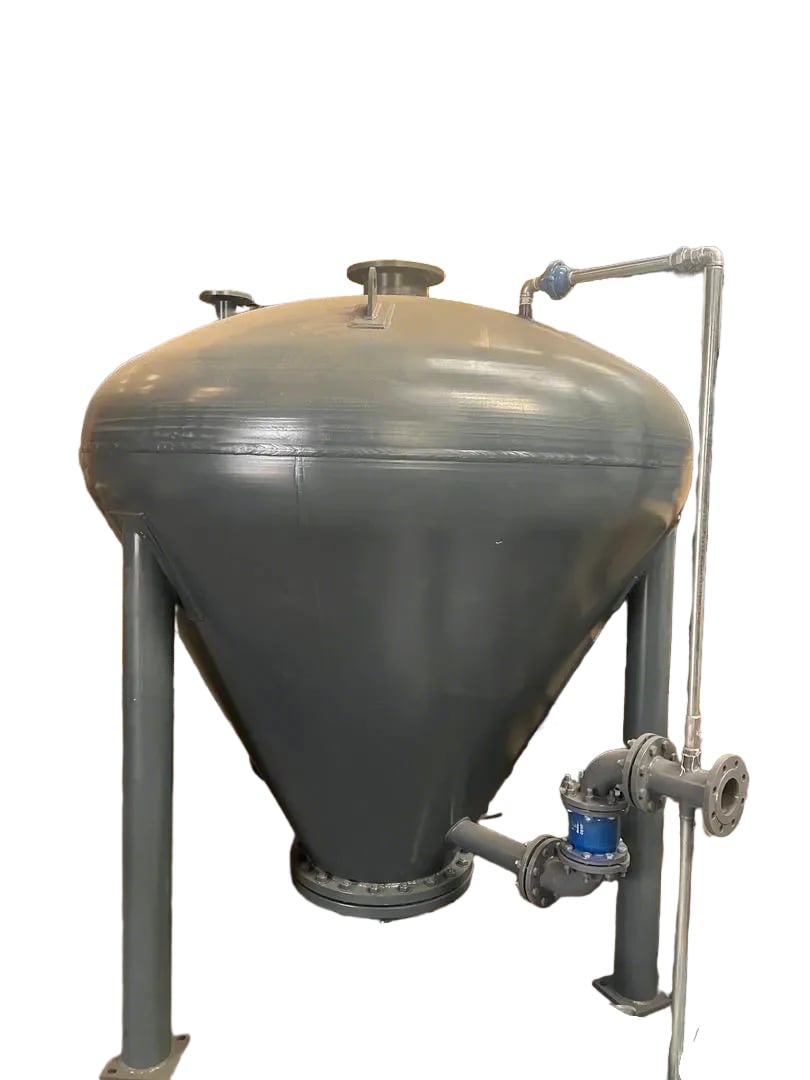
Efficiency in powder handling extends beyond speed. A pneumatic vacuum conveyor consolidates multiple material transfer functions into a single, integrated solution. It eliminates spillage, reduces cross-contamination, protects product integrity, and decreases worker exposure to hazardous or irritating dust. The result is a streamlined process that meets strict regulatory standards while boosting throughput and reducing downtime—critical advantages in competitive industrial markets where margins depend on operational excellence.
How Pneumatic Vacuum Conveyor Technology Drives Material Transfer Success
Core Operating Principles and System Advantages
The pneumatic conveying system design behind modern vacuum conveyors relies on creating a negative pressure environment that draws powders through enclosed pipelines. Unlike traditional gravity-feed or mechanical conveyor systems, this approach keeps materials fully contained and protected from environmental contaminants. A pneumatic vacuum conveyor operates by generating airflow through a vacuum pump, which creates suction at the pickup point. Powder enters the system, mixes briefly with the air stream, and travels through sealed ducts to the destination point where separation occurs.
This enclosed design dramatically improves operational efficiency. Spillage is virtually eliminated, dramatically reducing cleanup labor and material loss. Product quality remains consistent because powders experience minimal agitation and degradation compared to vibrating screens or open chutes. Industries handling sensitive materials—such as pharmaceutical active ingredients, specialty chemicals, or food additives—find that a pneumatic vacuum conveyor maintains composition integrity while accelerating throughput by 30–50% compared to manual or semi-automated alternatives.
Energy Consumption and Cost Reduction Benefits
Efficiency gains extend directly to operational costs. Modern pneumatic conveying systems use variable frequency drives and optimized pump designs to match energy consumption to actual load conditions. Rather than running at full capacity continuously, a pneumatic vacuum conveyor adjusts motor speed and airflow based on real-time material flow, cutting energy waste significantly. Dilute phase pneumatic transport—where powder concentration remains low relative to air volume—requires less energy than dense phase alternatives, making it ideal for lower-viscosity powders and standard production environments.
The total cost advantage compounds when accounting for reduced labor requirements, lower maintenance intervals, and minimal product loss. A facility converting from manual bucket systems or gravity chutes to a pneumatic vacuum conveyor typically achieves payback within 18–24 months through labor savings alone. Environmental benefits also emerge: enclosed systems eliminate dust emissions, reducing regulatory compliance costs and improving workplace air quality.
Pneumatic Conveying System Design Optimization for Peak Performance
Tailoring System Configuration to Material Properties
Effective pneumatic conveying system design begins with rigorous material characterization. Particle size, density, moisture content, and abrasiveness directly influence pipeline diameter, air velocity, and separation equipment selection. Fine powders require precise airflow tuning to prevent blockages; dense or cohesive materials demand higher velocities and sometimes specialized powder conditioning. Engineers designing a pneumatic vacuum conveyor must balance competing priorities: sufficient velocity to maintain material flow without causing excessive wear or energy consumption.
Distance and elevation also shape design decisions. Horizontal conveying differs fundamentally from vertical lift applications. Longer runs require larger diameter pipelines and potentially intermediate booster points to maintain velocity. A pneumatic vacuum conveyor serving a 500-foot transfer route demands different specifications than one covering 50 feet. Modern design software models airflow dynamics, pressure drops, and wear patterns, enabling engineers to optimize component sizing and minimize operational surprises after installation.
Integration with Processing Equipment
A pneumatic vacuum conveyor must integrate seamlessly with upstream and downstream equipment. Pickup points must accommodate various container styles—drums, bulk bags, or hoppers—without requiring manual transfers or operational adjustments. Discharge points must direct material into mills, mixers, reactors, or packaging equipment with minimal settling time. Poor integration creates bottlenecks that negate the efficiency benefits of the conveying system itself.
Modern implementations include automated controls that synchronize conveyor operation with production line rhythms. Sensors detect material arrival at pickup points and trigger conveying cycles automatically. At discharge, level sensors prevent overfilling or starvation of downstream equipment. This integration transforms a pneumatic vacuum conveyor from a standalone transport device into a coordinated element of a fully optimized production workflow.
Vacuum Transfer System Maintenance for Sustained Reliability
Preventive Maintenance Protocols and Component Care
Vacuum transfer system maintenance determines whether efficiency gains persist over years or erode through increasing downtime and repairs. Scheduled preventive maintenance—performed on established intervals rather than after failures occur—keeps a pneumatic vacuum conveyor operating at design specifications. Filter cartridges must be cleaned or replaced regularly to maintain separation efficiency and prevent pressure drops. Vacuum pump performance degrades gradually; monitoring suction levels alerts operators to declining efficiency before conveying reliability suffers.
Wear components in the discharge section, particularly cyclone separators and collection hoppers, face direct material impact and abrasive forces. Regular inspection for erosion allows timely replacement before penetrations compromise system integrity. Lubrication schedules for pump bearings and motor couplings extend equipment life significantly. Many facilities establish vacuum transfer system maintenance windows during scheduled production downtime, preventing unexpected stoppages and maintaining operational predictability.
Diagnostic Monitoring and Troubleshooting
Advanced pneumatic vacuum conveyor installations incorporate pressure transducers, flow sensors, and digital controllers that continuously monitor system performance. These diagnostics detect subtle changes—rising discharge pressure, declining airflow, or inconsistent cycle times—that indicate emerging problems. Operators can address vacuum transfer system maintenance issues proactively rather than reacting to conveying failures that halt production.
Common issues include material bridges in pickup hoppers, air leaks in sealed connections, and filter blinding. Troubleshooting protocols help operators identify root causes quickly. Material bridge prevention often involves vibrators or agitators at pickup points. Air leaks require periodic inspection of clamp connections and gaskets. Filter maintenance remains the most critical factor; clogged filters reduce vacuum capacity and force the system into degraded performance modes. Establishing clear vacuum transfer system maintenance documentation ensures consistency across shifts and reduces costly mistakes.
FAQ
What makes dilute phase pneumatic transport suitable for most powder applications?
Dilute phase pneumatic transport suspends powder particles in a high-volume, low-density air stream, typically requiring velocities between 3,000–4,500 feet per minute. This approach minimizes particle collision and material degradation, making it ideal for heat-sensitive or friable powders. Lower energy consumption compared to dense phase alternatives reduces operational costs while maintaining excellent throughput. A pneumatic vacuum conveyor operating in dilute phase suits standard industrial powder handling across pharmaceuticals, food processing, chemicals, and plastics manufacturing.
How does enclosed conveying protect product quality in sensitive industries?
Enclosed design eliminates airborne dust and prevents cross-contamination from environmental sources. A pneumatic vacuum conveyor maintains product purity by containing material throughout transport, critical for pharmaceutical actives, specialty food ingredients, and regulated chemical handling. The enclosed path also prevents moisture absorption during humid conditions and protects light-sensitive materials from degradation. These quality protections directly support regulatory compliance in industries where material composition and purity documentation demands rigorous controls.
What return on investment timeline should facilities expect from installing a pneumatic vacuum conveyor?
Most facilities recoup pneumatic vacuum conveyor capital investment within 18–24 months through labor reduction, spillage elimination, and energy optimization. Additional savings emerge from reduced product loss, lower cleaning costs, and decreased regulatory compliance expenses. Specific returns depend on baseline operations—manual bucket systems show faster payback than semi-automated alternatives. Long-term operational reliability and minimal maintenance requirements extend total cost advantages well beyond initial investment periods, making pneumatic conveying system design a sound capital decision for powder-intensive operations.