
 EN
EN
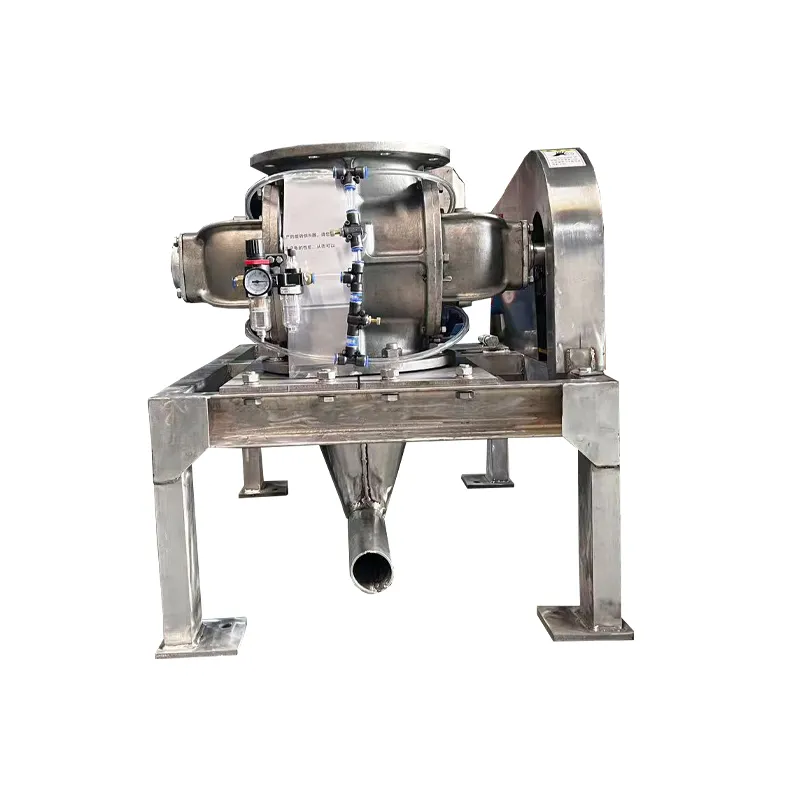
A rotary lobe blower stands as one of the most reliable and efficient solutions for high-volume industrial air delivery across manufacturing, pneumatic transport, wastewater treatment, and material handling sectors. These positive displacement machines excel where consistent airflow, modest pressure requirements, and dependable long-term operation define success. Unlike centrifugal alternatives, rotary lobe blowers maintain stable volumetric output regardless of downstream resistance, making them the preferred choice for demanding applications that cannot tolerate performance fluctuations.
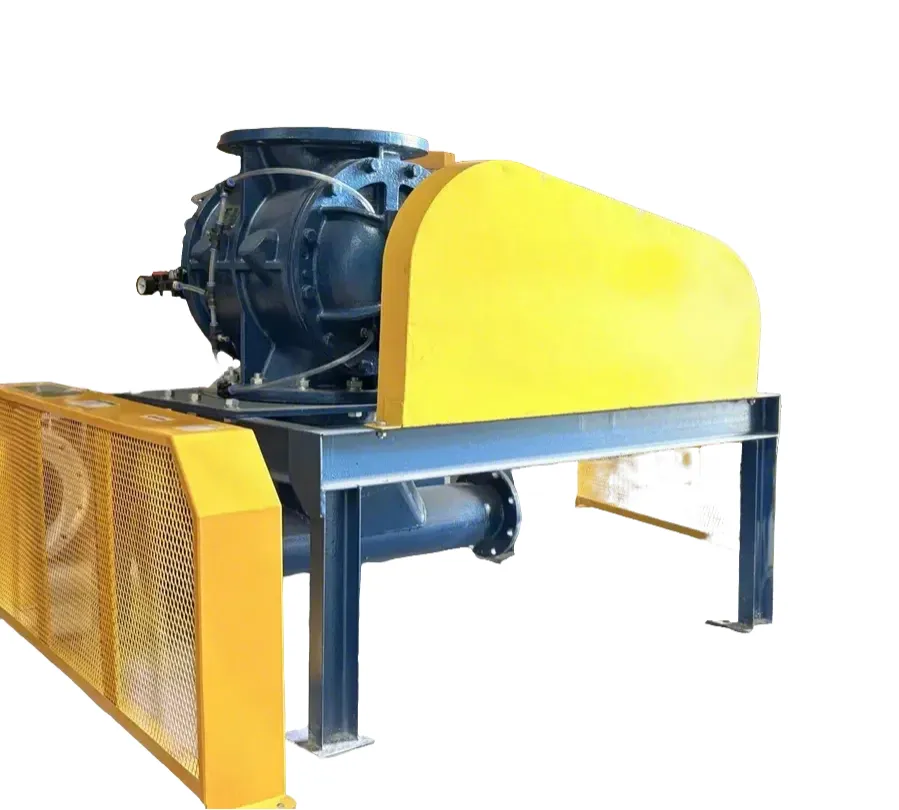
Understanding why rotary lobe blowers deliver superior performance requires examining their core operating principle, design advantages, and real-world suitability across industrial environments. This knowledge helps facility managers, procurement specialists, and engineers select appropriate equipment for pneumatic systems, conveyance networks, and air-intensive processes. The following sections break down the mechanical foundations, practical applications, and maintenance considerations that distinguish rotary lobe blower technology from conventional alternatives.
How Positive Displacement Technology Delivers Consistent Flow
Mechanical Advantage of Rotary Design
Rotary lobe blowers employ a positive displacement design that traps and forces fixed volumes of air through the discharge port with each rotor revolution. Two specially shaped lobes rotate in synchronization, creating expanding and contracting chambers that draw in atmospheric air and push it outward at higher pressure. This mechanical certainty ensures that volumetric output remains constant regardless of system backpressure, offering a fundamental advantage over centrifugal designs that sacrifice flow when downstream resistance increases. The synchronized lobe motion requires minimal clearance and precision manufacturing, which translates into exceptional durability and longevity even under continuous duty cycles.
Why Positive Displacement Outperforms Alternatives
Positive displacement blower applications span aeration, pneumatic conveyance, and vacuum assistance because the technology guarantees flow delivery independent of system demand fluctuations. Centrifugal blowers, by contrast, deliver performance curves that shift with load variation, creating operational unpredictability in systems requiring stable suction or discharge rates. Rotary lobe blowers maintain their contracted volumetric capacity through wide pressure ranges, making them ideal for applications where flow consistency drives process reliability. Industries relying on precise material transport rates, biological treatment processes, or sensitive pneumatic systems consistently specify rotary lobe equipment for this reason.
Practical Advantages Across Industrial Air Delivery
Superior Performance in Continuous Operation
Industrial air delivery systems demand equipment that runs reliably through extended production schedules without performance degradation. Low pressure high volume air pump specifications for rotary lobe blowers typically range from 2 to 10 psig discharge pressure with volumetric capacities spanning 50 to 3000 CFM, accommodating everything from small material handling systems to large-scale wastewater aeration networks. The straightforward design minimizes energy losses from turbulence and shock, resulting in efficiency levels between 75 and 85 percent across typical operating ranges. Facilities implementing rotary lobe blower technology for pneumatic conveying report reduced energy consumption compared to legacy centrifugal systems, particularly during partial-load conditions where consistent displacement provides inherent advantage.
Reliability in Demanding Environments
Rotary lobe blower maintenance and troubleshooting requirements remain straightforward because the design tolerates contaminant ingestion better than centrifugal equipment and features fewer external dynamic forces. The intermeshing lobe geometry means no metal-to-metal contact occurs during normal operation, eliminating wear mechanisms common in competing designs. Bearing loads remain predictable, lubrication requirements stay manageable, and oil consumption remains low across extended service intervals. Many industrial facilities operating rotary lobe blowers report maintenance costs 30 to 40 percent lower than equivalent centrifugal systems, with mean-time-between-failures exceeding 50,000 hours under proper maintenance.
Applications Where Rotary Lobe Excellence Becomes Critical
Material Transport and Pneumatic Conveyance
Positive displacement blower applications dominate pneumatic conveying systems because rotary lobe equipment delivers the sustained volumetric performance necessary for continuous product movement through ductwork and pipelines. Powder, grain, plastic pellet, and mineral transport operations depend on steady airflow that maintains product velocity regardless of line blockage risk or system resistance changes. A rotary lobe blower maintains output consistency even when friction losses spike, preventing conveying failures that could halt production. System designers frequently select these units as the backbone for high-volume transport networks where flow interruption creates costly downtime.
Wastewater Treatment and Environmental Applications
Municipal and industrial wastewater treatment plants rely on rotary lobe blower technology for aeration basin air supply because the constant displacement matches biological oxygen demand patterns across varying treatment loads. The low pressure requirements align perfectly with diffuser systems, and the reliable volumetric delivery ensures consistent biological treatment performance. Environmental applications, including odor control, sludge handling, and industrial gas handling, frequently employ rotary lobe equipment because the technology sustains airflow through fluctuating system conditions while maintaining operational simplicity. Treatment facilities can integrate these units into automated control systems with confidence that actual airflow matches commanded output across the operating envelope.
Essential Maintenance and Troubleshooting Framework
Preventative Care for Extended Service Life
Rotary lobe blower maintenance and troubleshooting protocols center on lubrication consistency, filter cleanliness, and thermal management rather than complex mechanical adjustments. Regular oil analysis detects bearing wear before catastrophic failure, while visual inspection of discharge temperature identifies early signs of system resistance increase. Filter element replacement schedules should align with ambient dust conditions and operating hours rather than fixed calendar intervals. Most facilities establish monthly inspections covering bearing temperature, noise character, discharge pressure confirmation, and filter differential pressure to catch emerging issues before they impact system reliability.
Common Issues and Practical Solutions
Reduced flow output typically signals filter restriction or internal lobe wear rather than fundamental design failure, making diagnosis straightforward through pressure differential measurement and historical performance trending. Temperature rise beyond design specifications often indicates inadequate lubrication or cooling system blockage rather than motor overload. Noise changes frequently precede mechanical problems, providing early warning before actual damage occurs. Experienced technicians troubleshooting rotary lobe equipment rely on these predictable symptom patterns, enabling rapid root-cause identification and targeted intervention rather than blind component replacement.
FAQ
What makes a rotary lobe blower different from centrifugal blowers?
Rotary lobe blowers employ positive displacement technology that delivers constant volumetric output regardless of downstream pressure, while centrifugal blowers sacrifice flow as backpressure increases. This fundamental difference makes rotary lobe equipment superior for applications requiring stable airflow through variable system conditions. The trade-off involves modest pressure capability compared to high-speed centrifugal designs, but positive displacement blower applications that prioritize flow consistency benefit tremendously from the rotary lobe approach.
How often does a rotary lobe blower require maintenance?
Rotary lobe blower maintenance and troubleshooting typically require monthly inspections for temperature, noise, pressure confirmation, and filter status, with full preventative service intervals ranging from 2000 to 4000 operating hours depending on duty cycle intensity and environmental conditions. Oil analysis should occur quarterly for continuously operated units, while bearing replacement generally extends beyond 50,000 hours under proper lubrication. Filter element life varies with ambient dust content but typically spans 1000 to 3000 operating hours, with replacement timing based on differential pressure measurement rather than calendar date.
What specifications should I verify when selecting a rotary lobe blower?
Low pressure high volume air pump specifications critical to selection include volumetric capacity in CFM, discharge pressure rating in psig, temperature rise across the unit, sound level in decibels, and oil circulation type. System designers must confirm that the rotary lobe blower's displacement matches actual application flow demand while verifying that maximum discharge pressure remains below required system backpressure plus safety margin. Motor horsepower selection should account for temperature derating, altitude effects, and continuous duty cycle assumptions to ensure reliable long-term performance.