
 EN
EN
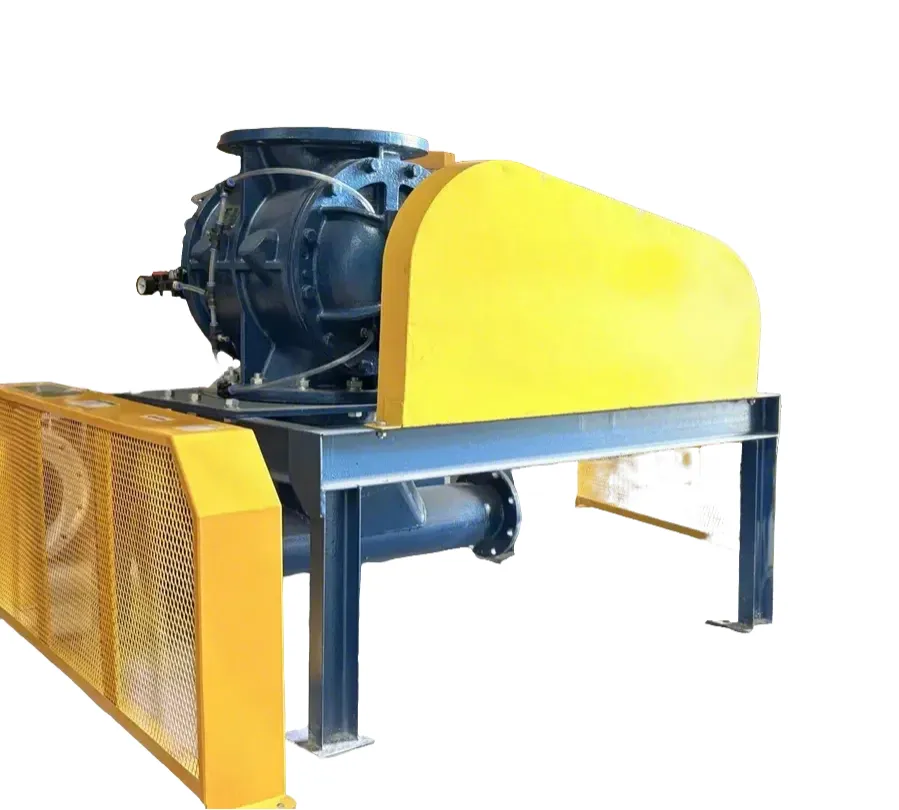
The decision to upgrade your industrial air handling system is significant, and choosing the right equipment can substantially impact operational efficiency and profitability. A rotary lobe blower represents one of the most effective solutions for applications requiring consistent, reliable air movement across challenging process conditions. These positive displacement blowers deliver constant volume across varying pressure requirements, making them ideal for industries ranging from wastewater treatment to pneumatic conveying systems.
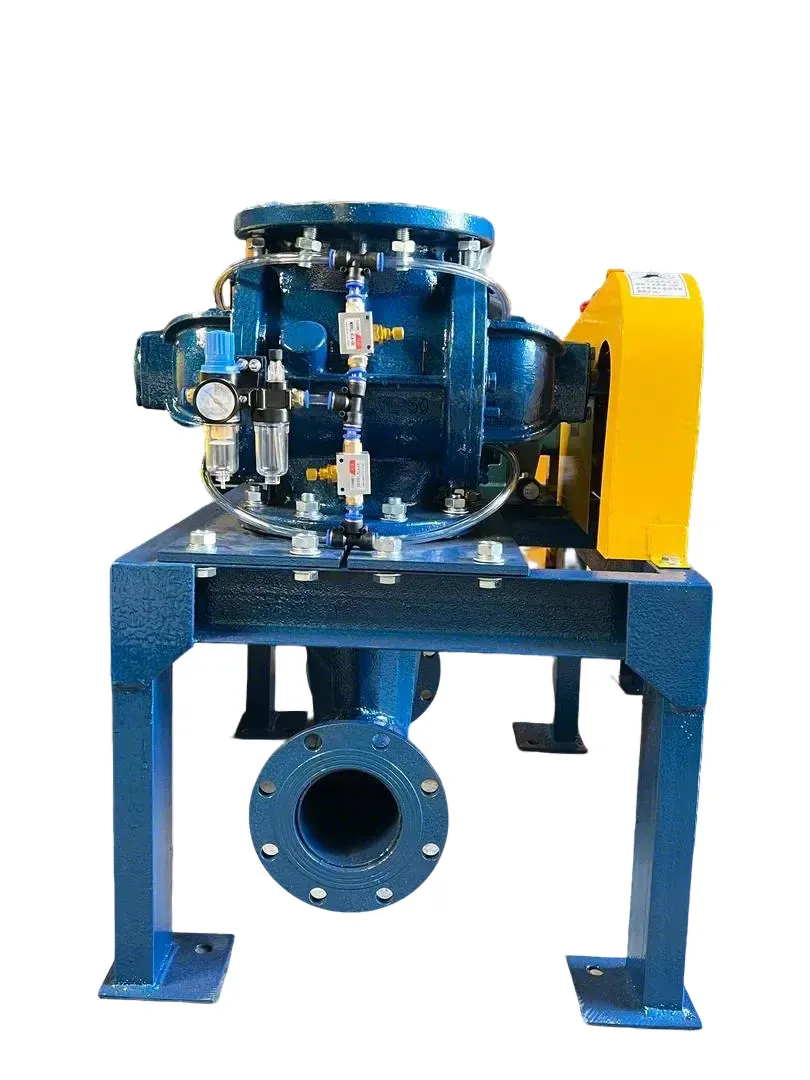
Understanding when to make the transition to this technology requires evaluating your current operational bottlenecks, maintenance costs, and performance targets. The rotary lobe blower pressure and flow rate specifications available today offer unprecedented flexibility in handling diverse industrial demands. This guide explores the critical factors that signal when upgrading becomes the right strategic choice for your facility.
Identifying Performance Bottlenecks and Efficiency Gaps
Current System Limitations and Operational Stress
Your existing air handling equipment may be showing clear signs of strain under current production demands. If your facility experiences inconsistent pressure delivery, frequent shutdowns for maintenance, or inability to meet production targets, these are strong indicators that a rotary lobe blower could resolve these issues. The rotary lobe blower pressure and flow rate specifications provide superior control over fluctuating load conditions compared to centrifugal alternatives, ensuring steady performance even as process demands shift throughout the operational cycle.
Many facilities continue operating aging equipment despite recognizing efficiency gaps, primarily due to perceived upgrade complexity or capital concerns. However, the operational cost burden of maintaining undersized or obsolete systems often exceeds the investment required for modern positive displacement blower applications. Energy waste, unplanned downtime, and reduced output quality collectively create a compelling financial case for upgrading before problems escalate into emergency situations.
Process Variability and Demand Fluctuation
Industrial processes rarely operate at constant load conditions, and your blower system must accommodate these natural fluctuations. Positive displacement blower applications excel in variable-demand environments because they maintain consistent displacement regardless of pressure changes. If your current system cannot reliably handle peak demand periods without performance degradation or triggering protective shutdowns, a rotary lobe blower upgrade directly addresses this vulnerability and expands your operational capacity ceiling.
Maintenance and Operational Cost Considerations
Escalating Repair Frequency and Parts Availability
As equipment ages, maintenance intervals shorten and replacement parts become increasingly expensive or difficult to source. Rotary lobe blower maintenance and troubleshooting requirements are well-established and standardized across the industry, ensuring ready access to genuine components and qualified service expertise. If your current system requires frequent field repairs, extended lead times for specialty parts, or contractor visits costing thousands of dollars each, a modern rotary lobe blower investment reduces total cost of ownership significantly over its operating lifetime.
Modern rotary lobe blower designs feature robust construction, proven bearing systems, and simplified maintenance protocols that minimize unexpected failures. The predictable nature of rotary lobe blower pressure and flow rate specifications enables accurate preventive maintenance scheduling rather than reactive emergency repairs. When compared against the accumulated costs of aging equipment, the financial advantage of upgrading becomes mathematically clear within three to five years of operation.
Energy Efficiency and Operational Running Costs
Energy consumption represents the largest operational expense for continuous-duty air handling systems, and efficiency improvements directly impact profitability. Advanced rotary lobe blower designs operate at higher efficiency ratings than outdated centrifugal or piston-based alternatives, converting motor input into useful airflow more effectively. If your facility's energy bills have risen despite stable production levels, undersized or inefficient equipment is likely the culprit, and upgrading to a modern positive displacement blower application could reduce monthly utility costs by fifteen to thirty percent depending on operating hours and system configuration.
Industry-Specific Application Demands
Expanding Production Capacity and Process Scaling
Business growth requires proportional increases in process capability, and your existing air handling infrastructure may represent the limiting factor in scaling operations. Rotary lobe blower applications support facility expansion without requiring complete facility redesign because they offer flexible sizing options and adaptable pressure-flow characteristics. Whether you are increasing pneumatic conveying throughput, expanding aeration capacity in treatment systems, or scaling vacuum applications, a properly sized rotary lobe blower accommodates growth trajectories while maintaining performance consistency and operational reliability throughout the transition.
The modular nature of modern positive displacement blower applications enables staged expansion without replacing entire systems. As your business grows, you can upgrade specific components or add parallel systems to handle increased demand, leveraging existing infrastructure investments while maintaining operational continuity. This scalability advantage distinguishes rotary lobe blower technology from less flexible alternatives that require complete system replacement to accommodate meaningful capacity increases.
Environmental and Regulatory Compliance Requirements
Environmental regulations, noise restrictions, and emissions standards evolve continuously, creating compliance pressures that older equipment cannot always accommodate. Modern rotary lobe blower designs incorporate noise dampening, emissions control, and efficiency enhancements that align with current regulatory frameworks and anticipated future requirements. If your facility faces operational restrictions due to noise levels, air quality concerns, or energy consumption mandates, upgrading to compliant equipment prevents forced shutdowns and positions your operation for long-term regulatory success.
FAQ
What specific signs indicate my facility needs a rotary lobe blower upgrade?
Key indicators include frequent maintenance interruptions, inability to meet peak demand periods, rising energy costs despite stable production, difficulty sourcing replacement parts, excessive noise levels, or regulatory compliance pressure. If your current system consistently operates near maximum capacity or requires daily manual adjustments to maintain performance, these operational stress signals strongly suggest that a rotary lobe blower upgrade would improve reliability, reduce costs, and enhance process stability significantly.
How does rotary lobe blower maintenance and troubleshooting compare to alternative technologies?
Rotary lobe blower maintenance and troubleshooting procedures are standardized, well-documented, and supported by extensive industry experience and technical resources. Parts availability is reliable because these designs have been refined across decades of industrial application. Compared to specialized centrifugal systems or aging piston-based technology, modern rotary lobe blowers offer simplified maintenance protocols, faster repair turnaround, and lower overall lifecycle costs.
What positive displacement blower applications benefit most from upgrading to rotary lobe technology?
Positive displacement blower applications including pneumatic conveying, wastewater aeration, vacuum packaging, grain handling, and industrial air supply all benefit from rotary lobe technology. Applications requiring consistent volumetric flow across varying pressure conditions, frequent on-off cycling, or reliable performance in harsh environments derive maximum value from upgrading to a rotary lobe blower system that delivers proven reliability and operational consistency.