
 EN
EN
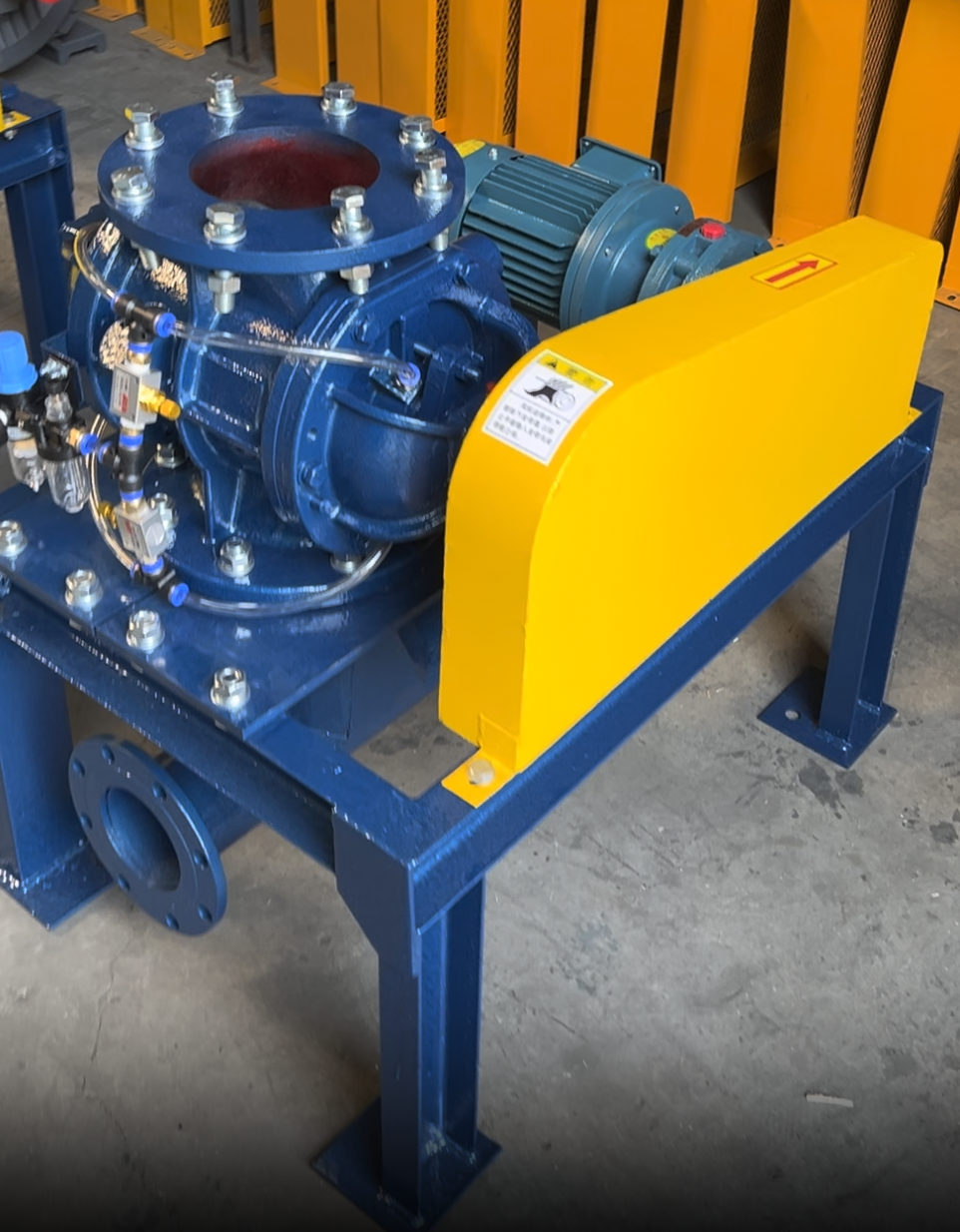
Bulk material conveying operations face continuous pressure to move powders, granules, and aggregates efficiently while maintaining product integrity and operational reliability. A rotary lobe blower delivers consistent, reliable performance in these demanding applications by generating steady airflow through positive displacement technology rather than relying on centrifugal force.
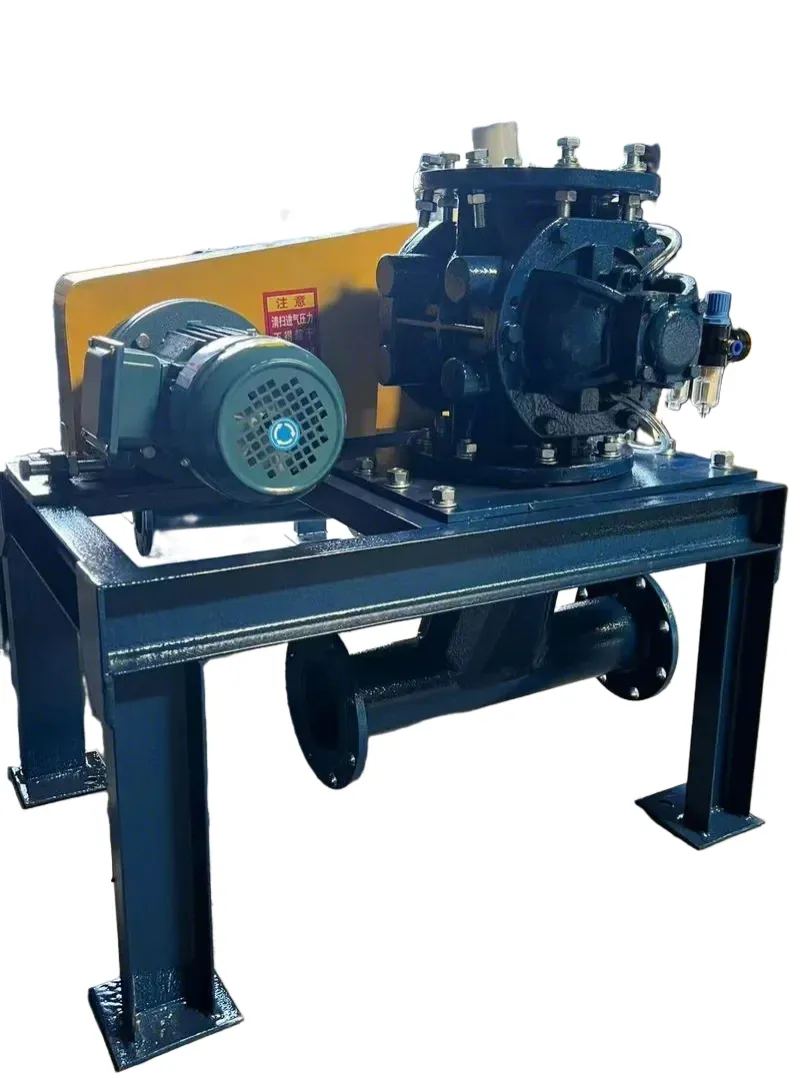
Understanding how rotary lobe blowers address material handling challenges is essential for operations managers selecting pneumatic conveying equipment. This technology solves critical problems including product degradation, pressure loss, system downtime, and operational inefficiency. When properly selected and maintained, rotary lobe blowers become the backbone of high-performance bulk material systems.
Core Problems Rotary Lobe Blowers Solve
Maintaining Consistent Pressure for Delicate Materials
Delicate bulk materials such as flour, powdered pharmaceuticals, and micronutrients break down easily under turbulent airflow conditions. Rotary lobe blower systems excel at this challenge because positive displacement technology delivers smooth, non-pulsating airflow without the turbulence created by centrifugal designs. This controlled pressure maintains material integrity throughout the conveying process, reducing fines generation and product loss while improving final product quality.
The positive displacement blower applications in sensitive material handling demonstrate why many operators prefer this technology over centrifugal alternatives. Unlike centrifugal blowers that accelerate air molecules radially and create pressure spikes, positive displacement designs generate consistent volumetric flow that remains stable across varying load conditions.
Eliminating Pressure Drop at Extended Distances
Pneumatic conveying systems often require material transport across long horizontal runs or significant elevation changes. A rotary lobe blower maintains discharge pressure more effectively than centrifugal equipment when moving materials through extended piping networks. This consistent pressure capability eliminates the need for booster blowers in many applications, reducing capital investment and system complexity while improving overall operational efficiency.
Positive Displacement Blower Applications and Operational Advantages
Versatility Across Industrial Processes
Positive displacement blower applications span diverse industrial sectors including food processing, pharmaceuticals, chemical manufacturing, cement production, and aggregate handling. Each application presents unique challenges, yet the fundamental advantage of consistent, pulseless airflow makes rotary lobe blowers ideal for situations requiring precise pressure control or delicate material handling. Manufacturing facilities benefit from the ability to switch between conveying applications without changing primary equipment.
Rotary lobe blower maintenance and troubleshooting requirements differ significantly from centrifugal equipment because positive displacement technology operates under different mechanical stresses. Understanding these maintenance patterns helps operators plan downtime, budget spare parts inventory, and optimize equipment lifecycle management across their facility.
Cost-Effective Energy Performance
While rotary lobe blower energy consumption per unit of airflow may initially appear higher than centrifugal alternatives in certain pressure ranges, total system efficiency tells a different story. The reduced need for booster stages, simpler piping layouts, and elimination of pressure instability result in lower overall operating costs. Operators achieve desired material throughput with simpler, more reliable equipment configurations that require less frequent adjustment and recalibration.
Maintenance Considerations and System Reliability
Rotary Lobe Blower Maintenance and Troubleshooting Fundamentals
Effective rotary lobe blower maintenance and troubleshooting begins with understanding normal operating parameters and recognizing early warning signs of deterioration. Regular bearing inspection, seal condition monitoring, and oil analysis help operators identify developing problems before they cause system failure. Most rotary lobe blower designs operate reliably for extended periods when maintenance follows manufacturer guidelines and environmental conditions remain controlled.
Common troubleshooting issues include excessive vibration indicating bearing wear, oil temperature elevation signaling seal degradation, and pressure drop suggesting internal component clearance changes. Early detection through condition monitoring prevents unexpected downtime and extends equipment service life significantly.
Rotary Lobe Blower vs Centrifugal Blower Comparison
The rotary lobe blower vs centrifugal blower comparison reveals distinct operational characteristics that influence suitability for specific applications. Rotary lobe designs excel at lower to moderate pressures with consistent flow requirements, while centrifugal blowers gain advantage in high-pressure, lower-flow scenarios where efficiency improvements justify mechanical complexity. Rotary lobe blower technology tolerates higher temperature materials and responds predictably across varying discharge pressures, whereas centrifugal equipment performance degrades significantly with pressure changes.
For bulk material conveying specifically, rotary lobe blower advantages become evident when comparing reliability metrics, maintenance downtime, and product quality preservation. The rotary lobe blower vs centrifugal blower comparison often shows that positive displacement equipment delivers superior value in applications prioritizing material integrity and conveying system simplicity over maximum pressure capability.
FAQ
What specific bulk materials benefit most from rotary lobe blower conveying systems?
Materials benefiting from rotary lobe blower technology include powders prone to degradation, granules requiring gentle handling, sticky or cohesive materials, and temperature-sensitive products. Pharmaceuticals, specialty chemicals, flour, coffee, pigments, and many food ingredients perform particularly well because the smooth airflow minimizes fines generation and maintains product consistency throughout transport.
How does positive displacement blower applications maintenance compare to centrifugal equipment upkeep?
Positive displacement blower applications typically require more frequent seal and bearing inspections due to continuous positive pressure operation, but maintenance complexity remains straightforward compared to centrifugal designs. Oil changes, filter replacements, and bearing lubrication represent the primary routine tasks. Rotary lobe blower maintenance and troubleshooting generally proves simpler because fewer high-speed components mean fewer failure points and more predictable wear patterns.
When should facilities choose rotary lobe blower technology instead of centrifugal equipment?
Choose rotary lobe blower technology when material integrity matters critically, when system pressure remains moderate and consistent, when conveying distances exceed typical short runs, or when operational simplicity justifies potential energy trade-offs. The rotary lobe blower vs centrifugal blower comparison clearly favors positive displacement when application priorities emphasize reliability, material preservation, and maintenance predictability over maximum efficiency.