
 EN
EN
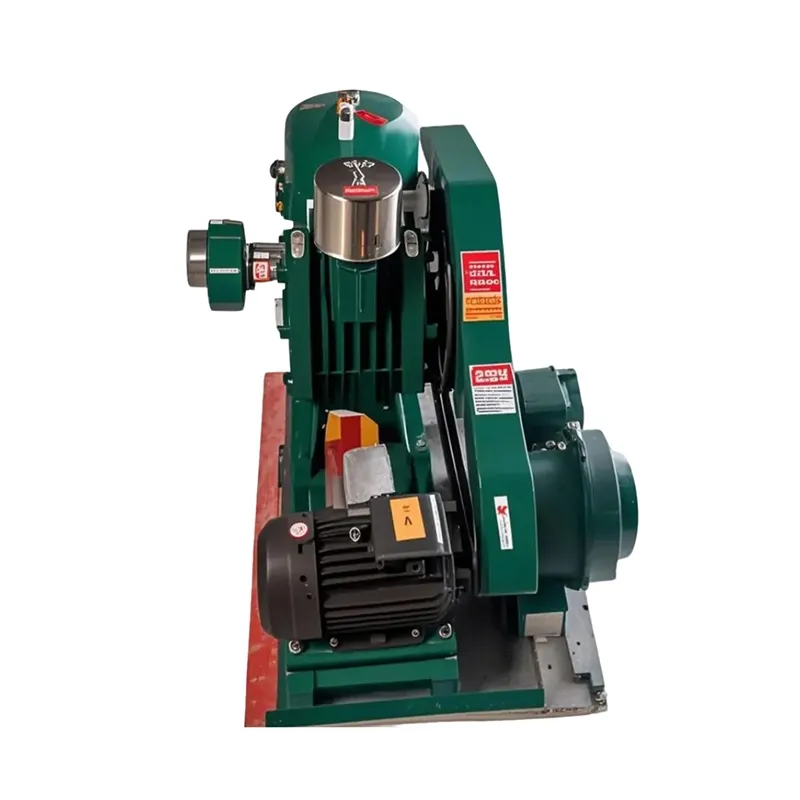
Manufacturing facilities face mounting pressure to enhance operational efficiency while maintaining infrastructure that can adapt to evolving production demands. Positive displacement blowers represent a transformative solution that addresses these challenges by delivering consistent, reliable air movement across critical industrial processes. Unlike centrifugal alternatives, these systems provide steady volumetric flow regardless of pressure variations, making them ideal for applications requiring dependable performance in wastewater treatment, pneumatic conveying, and aeration systems. The modernization of manufacturing infrastructure increasingly depends on selecting equipment that combines durability, energy efficiency, and adaptability to future operational needs.
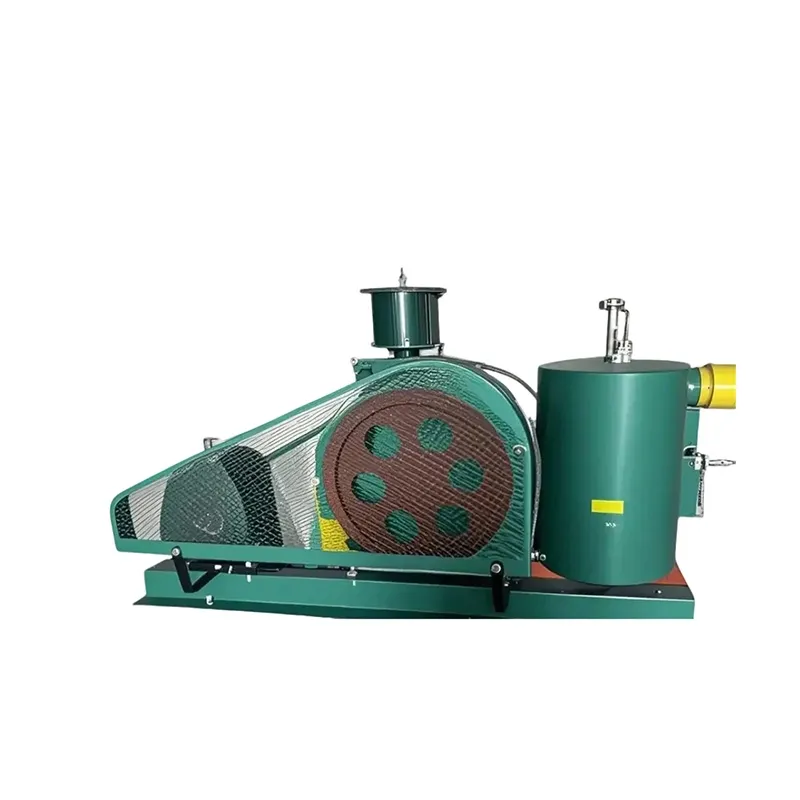
The decision to integrate positive displacement pump vs blower technology into your facility framework requires understanding how these systems function and why they outperform conventional alternatives. Modern manufacturing demands equipment that responds to dynamic operational conditions while maintaining cost-effectiveness over extended service lifecycles. Positive displacement blowers deliver both reliability and adaptability, particularly when coupled with advanced control systems that optimize energy consumption and reduce waste. This article explores how rotary lobe blower applications drive infrastructure modernization and examines the strategic advantages of implementing variable frequency drive blowers across your operation.
Understanding Positive Displacement Technology in Industrial Operations
Core Principles of Displacement-Based Air Movement
Positive displacement blowers operate by trapping fixed volumes of air in rotating chambers and forcing that air through discharge outlets at consistent rates. This mechanism differs fundamentally from centrifugal designs, which rely on impeller speed to generate pressure. The advantage becomes apparent when analyzing positive displacement pump vs blower comparisons in high-pressure applications where steady flow matters more than variable velocity profiles. Each rotation cycle delivers predictable volumetric output, ensuring that downstream processes receive consistent air supply regardless of system pressure fluctuations. This predictability makes positive displacement blowers essential for precision manufacturing environments where process control directly impacts product quality and operational safety.
Efficiency Gains Through Mechanical Design
The mechanical efficiency of positive displacement blowers stems from their ability to minimize energy waste during compression cycles. Unlike centrifugal systems that lose significant energy to heat and turbulence at variable speeds, displacement designs maintain tighter tolerances and more efficient gas pathways. When manufacturers evaluate rotary lobe blower applications, they discover that these systems consume less energy per unit of air delivered compared to traditional alternatives. The sealed chambers and minimal internal leakage characteristic of quality positive displacement designs translate directly into reduced operational expenses and improved facility sustainability metrics. These efficiency advantages compound over years of continuous operation, creating substantial total cost of ownership benefits that justify initial capital investment.
Strategic Implementation of Variable Frequency Drive Blowers
Dynamic Control and Energy Optimization
Variable frequency drive blowers represent the intersection of proven positive displacement technology and modern energy management systems. By modulating motor speed based on real-time demand signals, VFD-equipped units eliminate the energy waste associated with running at full capacity during partial-load conditions. Manufacturing facilities implementing variable frequency drive blowers report energy savings ranging from twenty to forty percent compared to fixed-speed alternatives, particularly in applications with fluctuating demand patterns. The control electronics continuously adjust blower speed to match required volumetric flow, maintaining system efficiency across diverse operational scenarios. This adaptive capability transforms how facilities manage their energy footprint while ensuring that critical processes never experience supply interruptions or pressure inadequacies.
Integration with Existing Manufacturing Systems
Modernizing manufacturing infrastructure requires equipment that interfaces seamlessly with existing control architectures and operational workflows. Positive displacement blowers equipped with variable frequency drive controls integrate readily into SCADA systems, programmable logic controllers, and facility management networks. The communication protocols supported by contemporary displacement blower designs enable remote monitoring, predictive maintenance scheduling, and automated performance optimization without requiring extensive system retrofitting. Facility managers can coordinate blower operation with other production equipment, ensuring synchronized performance that maximizes throughput while minimizing energy demand peaks. This interoperability makes positive displacement blowers strategic assets in comprehensive infrastructure modernization programs that span multiple process areas and production lines.
Rotary Lobe Blower Applications Across Industrial Sectors
Wastewater Treatment and Environmental Compliance
Rotary lobe blower applications in wastewater aeration represent one of the most established and critical uses of positive displacement technology. Treatment facilities require uninterrupted, consistent air supply to maintain biological processes that reduce organic pollutants and meet environmental regulations. The reliability of positive displacement blowers ensures that aeration basins receive steady oxygen transfer regardless of external pressure conditions or seasonal operational variations. These systems have become industry standard in municipal and industrial wastewater treatment because they deliver the predictable performance that regulatory compliance demands. Facilities upgrading to modern variable frequency drive blowers within their aeration systems achieve simultaneous gains in environmental performance and operational cost reduction.
Pneumatic Conveying and Materials Handling
Industrial pneumatic conveying systems depend on rotary lobe blower applications to transport dry materials through pipelines across manufacturing environments. Positive displacement technology excels in these applications because it maintains consistent volumetric flow that prevents material bridging, segregation, and system blockages common with variable-flow alternatives. Food processing, pharmaceutical manufacturing, and mineral handling facilities rely on displacement blowers to move powders, granules, and other particulate materials efficiently. The precision air delivery that positive displacement blowers provide enables optimized material flow rates while minimizing air consumption and associated energy costs. When comparing positive displacement pump vs blower performance in conveying applications, displacement blowers consistently demonstrate superior reliability and lower maintenance requirements compared to centrifugal alternatives operating at equivalent duty cycles.
Infrastructure Modernization Strategy and Implementation
Planning for Scalable, Future-Ready Operations
Modernizing manufacturing infrastructure requires strategic equipment selection that supports not only current production demands but also anticipated growth and technological evolution. Positive displacement blowers offer scalability advantages because their displacement characteristics remain consistent across performance ranges, simplifying capacity planning and system expansion. Facilities can upgrade to larger displacement units or implement variable frequency drive controls without requiring complete system redesign or abandonment of existing infrastructure investments. This flexibility proves invaluable for manufacturers pursuing continuous improvement initiatives where incremental process optimization often demands modest adjustments to air supply capacity. The modular nature of modern displacement blower systems means that infrastructure modernization can proceed incrementally, allowing facilities to phase improvements according to budget availability and operational priorities.
Maintenance and Lifecycle Cost Considerations
Equipment selection for infrastructure modernization must account for maintenance requirements and long-term ownership costs, not merely initial purchase price. Positive displacement blowers feature robust mechanical designs with fewer moving parts than centrifugal alternatives, resulting in reduced maintenance complexity and extended service intervals. The rotary lobe blower applications found throughout industrial facilities demonstrate exceptional longevity when proper maintenance protocols are followed, with many units operating reliably for fifteen to twenty years or longer. Variable frequency drive integration adds sophisticated monitoring capabilities that enable predictive maintenance, allowing facility managers to schedule service before failures occur. This proactive approach to maintenance prevents unexpected production interruptions while optimizing maintenance labor allocation and spare parts inventory levels.
FAQ
How do positive displacement blowers compare to centrifugal alternatives in terms of pressure handling?
Positive displacement blowers maintain consistent volumetric flow across varying pressure conditions, while centrifugal designs experience flow reduction as discharge pressure increases. For fixed-displacement positive displacement blowers, the volume delivered remains constant, making them superior for high-pressure applications where steady flow is critical. Centrifugal blowers perform better in variable-pressure scenarios with lower power consumption at reduced pressure conditions. The selection between technologies depends on your specific application pressure requirements and flow consistency needs.
What energy savings can manufacturers expect from implementing variable frequency drive blowers?
Variable frequency drive blowers reduce energy consumption by twenty to forty percent in applications with fluctuating demand patterns by adjusting motor speed to match required flow rates. Energy savings prove most significant in systems that traditionally operated at full capacity despite partial-load conditions. The actual savings depend on your facility's load profile, baseline system efficiency, and control algorithm sophistication. Many manufacturers achieve payback periods between three to seven years through energy savings alone, with additional benefits including reduced maintenance costs and improved process control.
Are positive displacement blowers suitable for retrofitting existing manufacturing systems?
Yes, positive displacement blowers integrate readily into most existing manufacturing infrastructure with minimal system modifications required. Modern displacement blowers support standard industrial control protocols and communication interfaces, enabling integration into SCADA systems and facility management networks without extensive reprogramming. The replacement process typically involves disconnecting the existing blower, installing flanged connections, and connecting electrical supply and control signals. Facilities should evaluate piping compatibility and confirm that existing foundations adequately support the new equipment's weight and vibration characteristics before installation.