
 EN
EN
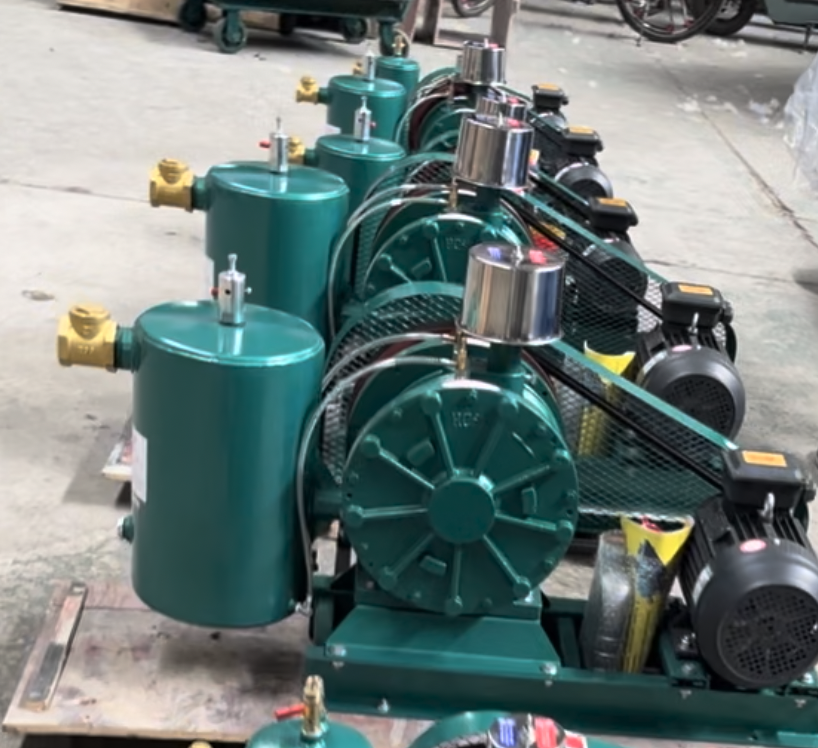
Industrial buyers seeking reliable air movement solutions often encounter positive displacement blowers as a cornerstone technology for process optimization. These machines offer distinct advantages that extend far beyond basic ventilation, providing measurable improvements in operational efficiency, energy consumption, and long-term facility economics. Understanding what positive displacement blowers deliver helps procurement teams make informed decisions that align with facility demands and budget constraints.
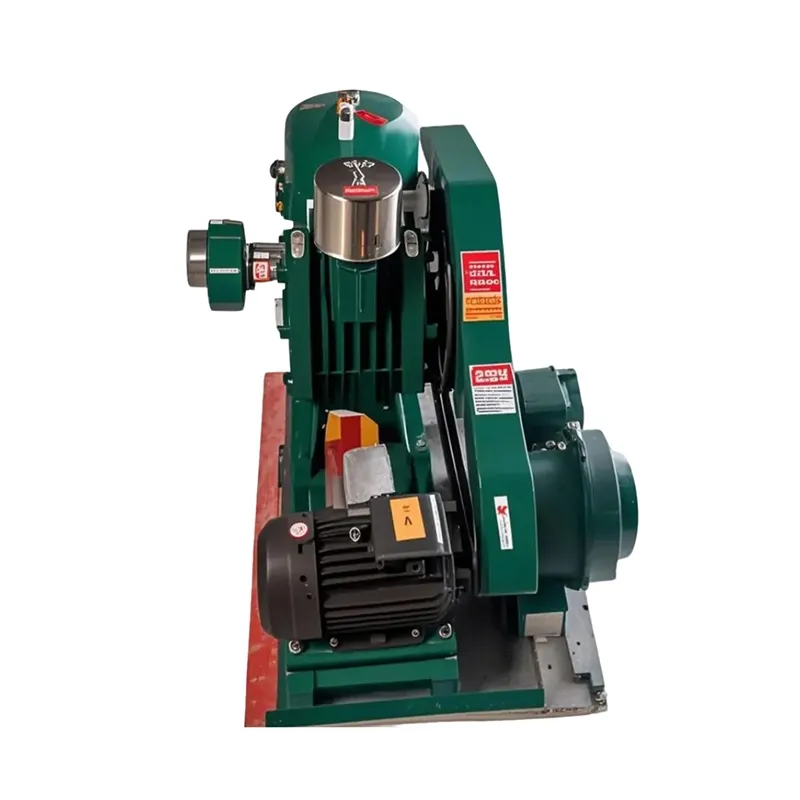
Industrial buyers benefit substantially from investing in positive displacement blowers because they provide consistent performance across varying operating conditions, reduce maintenance overhead compared to alternative technologies, and deliver superior efficiency ratings that translate directly to lower utility expenses. Whether supporting wastewater treatment, pneumatic conveying, or aeration applications, these systems have become industry standards for facilities that prioritize reliability and cost control.
Superior Performance and Consistent Delivery
Rotary Lobe Blower Applications in Industrial Operations
Rotary lobe blower applications span across multiple industrial sectors where steady, predictable airflow is essential. These devices excel in wastewater treatment facilities where aeration quality directly affects treatment efficiency and regulatory compliance. In pneumatic conveying systems, rotary lobe blower applications ensure material moves smoothly through pipelines without degradation, maintaining product quality while optimizing throughput rates. Food processing plants rely on these systems for drying operations, while mining operations use them for ventilation and dust control. The versatility of rotary lobe blower applications stems from their ability to maintain consistent pressure and flow rates regardless of downstream resistance changes.
Mechanical Reliability and Operational Consistency
Positive displacement blowers deliver air at consistent volumes per revolution, a fundamental advantage over centrifugal alternatives that vary output based on system pressure. This consistency means process parameters remain stable, reducing product variability and quality control complications. Because the design minimizes pulsation and pressure fluctuation, downstream equipment operates more smoothly, extending component lifespan and reducing unexpected downtime events. Industrial facilities appreciate this predictability because it allows for precise process tuning and reduces the need for complex pressure buffering systems.
Enhanced Efficiency and Energy Economics
Positive Displacement Blower Efficiency Ratings and Energy Savings
Positive displacement blower efficiency ratings typically range from 75 to 85 percent depending on design, operating speed, and specific application parameters. These high efficiency ratings translate into measurable energy savings over the blower's operational lifespan, often lasting fifteen to twenty years or more with proper maintenance. When compared to centrifugal alternatives operating at lower efficiency levels, the annual energy cost differential can justify premium equipment investment within two to four years. Industrial buyers modeling lifecycle costs discover that positive displacement blower efficiency ratings make these systems economically superior across most continuous-duty applications. By consuming less electrical power while delivering required airflow, facilities reduce carbon footprint while meeting sustainability objectives that increasingly influence procurement decisions.
Lower Utility Expenses and Operational Budget Impact
Electricity typically represents the largest operational expense for air-moving equipment, often accounting for 70 to 80 percent of total lifecycle cost. Positive displacement blowers reduce this burden through superior mechanical efficiency that minimizes wasted energy as heat rather than useful work. Facilities operating multiple blowers benefit exponentially from efficiency gains, as each equipment unit compounds the total savings. Lower utility bills improve facility margins, creating budget flexibility for other operational improvements or maintenance investments. Many industrial buyers report payback periods of three years or less when upgrading from older, less efficient systems to modern positive displacement blowers featuring optimized designs and variable-speed drive options.
Durability, Maintenance Efficiency, and Total Cost Ownership
Gear-Driven Blower Specifications and Component Longevity
Gear-driven blower specifications emphasize robust internal construction with precision-engineered components designed to withstand continuous operation under demanding industrial conditions. The gear-driven architecture of positive displacement systems creates inherent mechanical advantage, allowing motors to operate at lower speeds while achieving required airflow, directly reducing mechanical stress and component wear. Precision manufacturing and tight tolerances in gear-driven blower specifications ensure that rotors maintain optimal clearances, minimizing energy-robbing friction while extending bearing and seal life. Quality blower systems rated for continuous duty often exceed fifteen-year service intervals with routine maintenance, significantly outpacing many centrifugal competitors that may require rebuilding or replacement within ten years.
Simplified Maintenance and Reduced Downtime Risk
Positive displacement blowers feature fewer internal components than many alternative technologies, simplifying maintenance procedures and reducing spare parts inventory requirements. Routine service intervals typically involve bearing lubrication checks, seal inspections, and motor maintenance rather than complex internal rebuilding. When maintenance does become necessary, standardized procedures and readily available replacement components enable rapid service completion, minimizing facility downtime. Industrial buyers appreciate this simplicity because maintenance staff require less specialized training, and in-house teams can often perform routine service without manufacturer support. The reduced complexity also means lower emergency repair costs, as common issues can typically be diagnosed and corrected quickly using standard diagnostic approaches.
Application Flexibility and Process Integration
Adaptability to Variable Industrial Demands
Industrial processes often experience fluctuating airflow requirements based on production schedules, seasonal variations, or treatment load changes. Positive displacement blowers maintain consistent delivery across these varying demand patterns, ensuring process stability without requiring expensive system reconfiguration. Many modern positive displacement blower systems integrate variable-frequency drives, allowing speed adjustment without equipment replacement, providing facility flexibility as operational needs evolve. This adaptability proves particularly valuable in facilities handling seasonal or cyclical operations where demand patterns shift dramatically. Unlike fixed-speed centrifugal systems that become inefficient during low-load periods, positive displacement units maintain respectable efficiency across their operating range, protecting facility economics during all operational modes.
Integration with Existing Infrastructure
Industrial facilities often operate existing air distribution systems and downstream equipment designed around specific pressure and flow characteristics. Positive displacement blowers integrate seamlessly with these existing components, typically requiring minimal system modification during installation. The consistent pressure delivery from positive displacement systems ensures compatible operation with baghouse filters, cyclones, and other air treatment equipment already in place. This compatibility reduces capital requirements for facility upgrades, making system transitions more economically attractive for industrial buyers with limited upgrade budgets. Many facilities successfully retrofit positive displacement blowers into existing installations, modernizing system capability without complete infrastructure replacement.
FAQ
What specific industrial applications benefit most from positive displacement blower efficiency ratings?
Wastewater treatment aeration stands as the primary application where positive displacement blower efficiency ratings deliver maximum economic benefit, as these facilities typically operate blowers continuously throughout the year. Pneumatic conveying systems in manufacturing also benefit substantially, as the consistent flow delivery improves product handling while reducing energy consumption. Mining ventilation applications appreciate the durability and reliability these systems provide in harsh operating environments where downtime proves particularly costly.
How do gear-driven blower specifications compare to other internal gear designs?
Gear-driven blower specifications emphasize precision manufacturing and component quality that distinguish premium systems from basic alternatives. Quality gear-driven designs minimize internal friction through optimized tooth profiles and bearing arrangements, translating directly into the superior efficiency ratings that justify premium pricing. Industrial buyers should evaluate specific gear-driven blower specifications including pressure rating, flow capacity, and material composition to ensure selected equipment matches application demands.
Can rotary lobe blower applications adapt to facilities currently using centrifugal technology?
Yes, rotary lobe blower applications prove adaptable to most facilities transitioning from centrifugal systems, though specific integration details depend on existing infrastructure compatibility. Professional system assessment typically identifies any modifications needed for pressure connections, discharge piping, or motor mounting. The transition often proves straightforward because positive displacement blowers deliver more consistent pressure characteristics than centrifugal alternatives, typically requiring minimal downstream equipment adjustment.