
 EN
EN
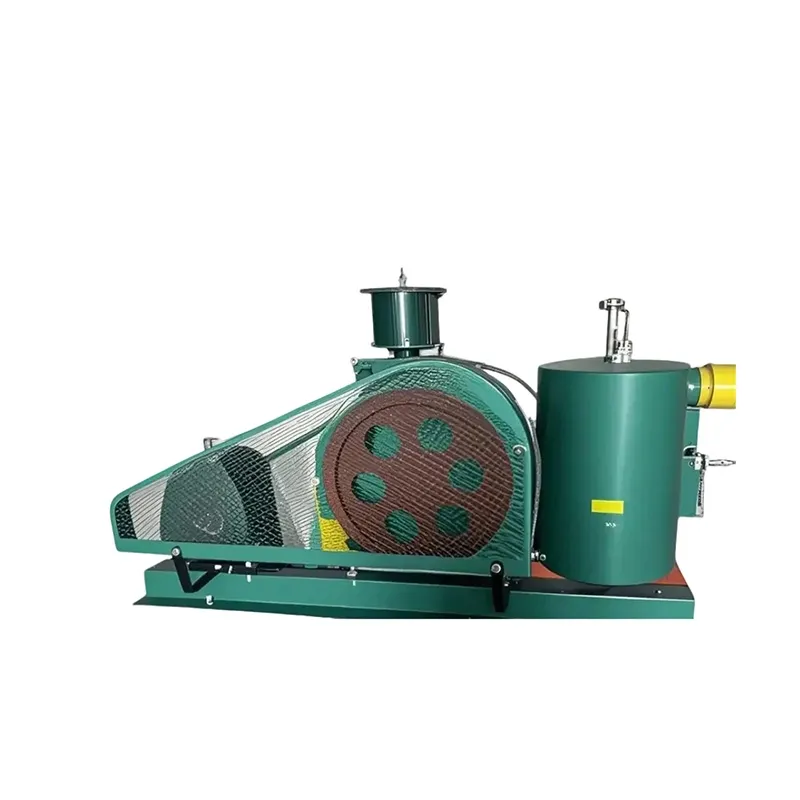
Operational stability is a critical concern for industrial facilities managing demanding air compression needs. Positive displacement blowers have emerged as a trusted solution for organizations seeking consistent, reliable performance across extended operating periods. Unlike centrifugal blowers that rely on impeller speed to generate pressure, positive displacement blowers deliver fixed volumes of air with each rotation, creating a predictable and stable performance profile that aligns perfectly with long-term operational demands. This fundamental mechanical advantage translates into reduced downtime, lower energy waste, and improved process reliability across wastewater treatment, pneumatic conveying, aeration systems, and numerous other industrial applications.
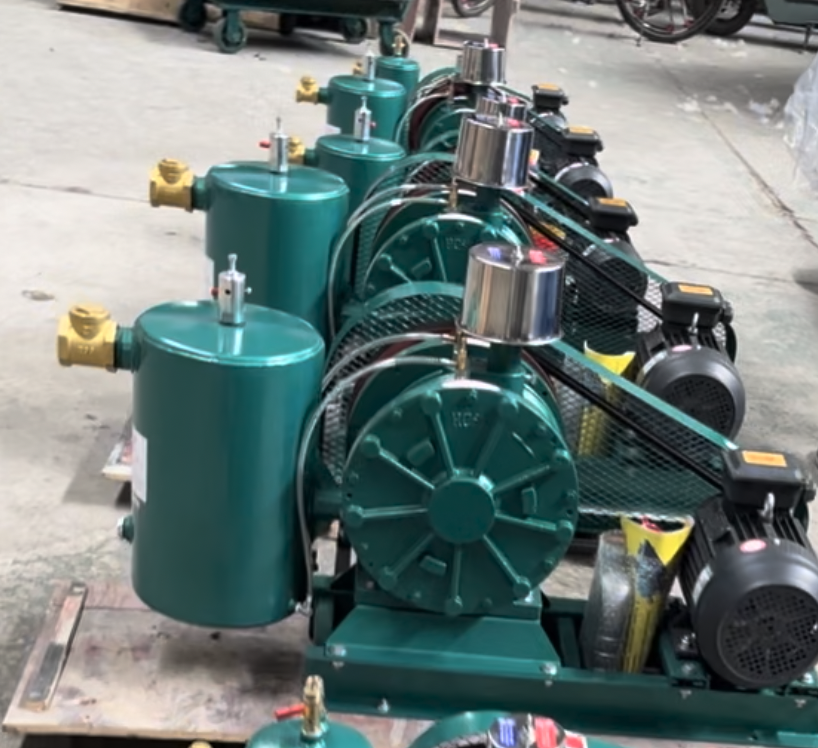
The stability advantages of positive displacement technology extend far beyond simple air delivery. Industries increasingly recognize that consistent equipment behavior directly impacts product quality, regulatory compliance, and financial performance. By choosing positive displacement blowers, facility managers gain equipment that maintains steady pressure delivery even as inlet conditions fluctuate, ensuring their processes remain within optimal operating windows and reducing the need for frequent adjustments or downstream compensation systems.
Mechanical Reliability and Consistent Pressure Delivery
How Rotary Lobe Design Ensures Stable Performance
The core of positive displacement blower reliability lies in its rotary lobe design. Two interlocking lobes rotate synchronously within a precisely machined housing, trapping fixed volumes of air and expelling them with each rotation cycle. This geometric precision means that output remains constant regardless of discharge pressure variations, providing the stable foundation that industrial processes demand. Rotary lobe blower applications span from wastewater treatment aeration to pneumatic conveying systems, each benefiting from this inherent mechanical consistency. Because the displacement volume is fixed by the impeller geometry and rotation speed, users can predict performance with accuracy, enabling better process control and system optimization over the long term.
Eliminating Pressure Fluctuations in Critical Systems
Industrial air compression systems frequently encounter downstream pressure changes caused by varying process demands. Traditional centrifugal equipment struggles when discharge pressure shifts rapidly, leading to efficiency losses and performance instability. Positive displacement pump vs blower comparisons consistently show that displacement-based equipment handles pressure fluctuations more gracefully. The fixed-displacement nature of rotary lobe technology means the impeller delivers its rated volume regardless of back-pressure conditions, making these blowers ideal for systems where pressure stability directly impacts product quality or safety. Applications such as aeration basins, biological reactors, and precision pneumatic systems depend on this unwavering pressure delivery to maintain process control and product consistency.
Extended Equipment Lifespan and Reduced Maintenance Burden
Lower Wear Rates Through Predictable Operating Cycles
Equipment subjected to constant mechanical stress experiences accelerated component degradation. Positive displacement blowers operate within predictable stress envelopes because rotary lobe impellers generate uniform loads during each rotation cycle. Unlike centrifugal designs that experience stress variations as flow conditions change, displacement-based equipment maintains steady mechanical demand, reducing cumulative fatigue on bearings, seals, and drive components. This stability translates into extended component lifespan, fewer unplanned maintenance interventions, and lower total cost of ownership over the equipment's operational life. Industrial facilities operating multiple units across different process demands benefit significantly from this mechanical consistency, as maintenance planning becomes more reliable and predictable.
Seal Integrity and Lubrication System Stability
The consistent rotational characteristics of positive displacement blowers enable specialized lubrication systems to function optimally. Oil delivery rates and cooling effectiveness depend on predictable impeller speeds and load patterns. Positive displacement pump vs blower comparisons demonstrate that fixed-displacement equipment maintains superior seal integrity because lubricant films develop within stable mechanical parameters. The pressure profiles remain consistent, allowing seals to operate within their design envelope without excessive stress or starvation conditions. This mechanical reliability extends seal life significantly, reducing oil consumption and minimizing the risk of contamination or catastrophic failure that could compromise process safety or product quality.
Energy Efficiency and Operational Cost Stability
Minimizing Energy Waste Through Constant Displacement
Energy consumption represents a substantial operating expense in industrial facilities, making equipment efficiency a key financial driver. Positive displacement blowers deliver fixed air volumes at defined pressure levels, eliminating the energy waste associated with centrifugal designs that must constantly adjust impeller speed to maintain discharge conditions. Industrial air compression systems benefit from this inherent efficiency because the input power requirement remains stable across varying process demands, enabling more accurate energy budgeting and reducing unnecessary power consumption. Facilities operating these systems often report lower kilowatt-hour consumption compared to variable-displacement alternatives, with cost savings multiplying across extended operating periods. This operational consistency also simplifies demand planning and reduces peak power charges that plague facilities with highly variable equipment consumption patterns.
Rotary Lobe Blower Applications in Energy-Conscious Industries
Wastewater treatment plants, chemical processing facilities, and food production operations increasingly favor rotary lobe blower applications because energy efficiency directly impacts profitability and environmental performance. These industries run their equipment nearly continuously, making long-term power consumption reduction a critical selection criterion. Positive displacement blowers maintain consistent input-to-output ratios, meaning operators can calculate precise energy requirements per unit of process output, enabling better budgeting accuracy and identification of operational anomalies. When equipment suddenly begins consuming more energy, facility managers immediately recognize potential issues, triggering maintenance interventions before catastrophic failures occur. This preventive capability further reduces downtime costs and extends overall system reliability.
Process Consistency and Product Quality Assurance
Maintaining Aeration Uniformity in Water Treatment
Water and wastewater treatment processes depend absolutely on consistent aeration rates to support biological treatment organisms and maintain regulatory compliance. Positive displacement blowers ensure that air delivery remains constant regardless of system back-pressure changes caused by diffuser fouling or varying liquid levels. This reliability prevents the aeration upset events that compromise treatment efficiency and create regulatory violations. Industrial air compression systems in treatment facilities must maintain narrow operating windows to support microbial populations effectively. Positive displacement pump vs blower analysis in treatment applications overwhelmingly demonstrates superior performance because fixed-displacement technology eliminates the pressure swings that disrupt biological processes.
Precision Pneumatic System Performance
Manufacturing facilities employing pneumatic conveying, precision air tools, and control systems require extremely stable pressure delivery. Positive displacement blowers maintain steady discharge conditions that enable calibrated pneumatic equipment to function as designed, ensuring product quality and process repeatability. Rotary lobe blower applications in manufacturing environments consistently deliver the pressure stability that downstream equipment requires, reducing the need for complex pressure regulation systems and improving overall process reliability. The predictable performance envelope enables engineers to design systems with tighter tolerances, improving product quality and reducing scrap or rework costs associated with inconsistent air delivery.
FAQ
What distinguishes positive displacement blowers from other air compression equipment?
Positive displacement blowers deliver fixed air volumes per rotation regardless of discharge pressure, whereas centrifugal equipment varies output based on impeller speed and pressure conditions. This fundamental difference means positive displacement blowers maintain exceptional consistency and stability across varying process demands, making them superior for applications requiring predictable performance over extended periods. Rotary lobe blower applications benefit most from this inherent advantage because many industrial processes depend on unwavering air delivery to maintain quality and compliance standards.
How do rotary lobe blower applications contribute to long-term operational stability?
Rotary lobe blower applications achieve operational stability through their mechanical design that produces fixed displacement with each rotation cycle. Because output remains constant regardless of downstream pressure fluctuations, processes experience steady conditions that enable better control and reduced process variability. This consistency extends equipment life by reducing mechanical stress, minimizes energy waste through efficient constant-displacement operation, and prevents the aeration upsets or pressure fluctuations that compromise product quality or regulatory compliance in demanding industrial environments.
Should facilities consider positive displacement pump vs blower technology for their air compression systems?
The positive displacement pump vs blower decision depends on specific application requirements and operational priorities. For industrial air compression systems requiring consistent pressure delivery, long equipment life, and predictable maintenance intervals, positive displacement blowers offer clear advantages. However, applications with highly variable flow demands and modest pressure requirements may benefit from alternative technologies. Facility managers should evaluate whether their processes demand the mechanical consistency and long-term reliability that positive displacement blowers provide, considering total cost of ownership including energy consumption, maintenance requirements, and downtime risks across the equipment's operational lifespan.