
 EN
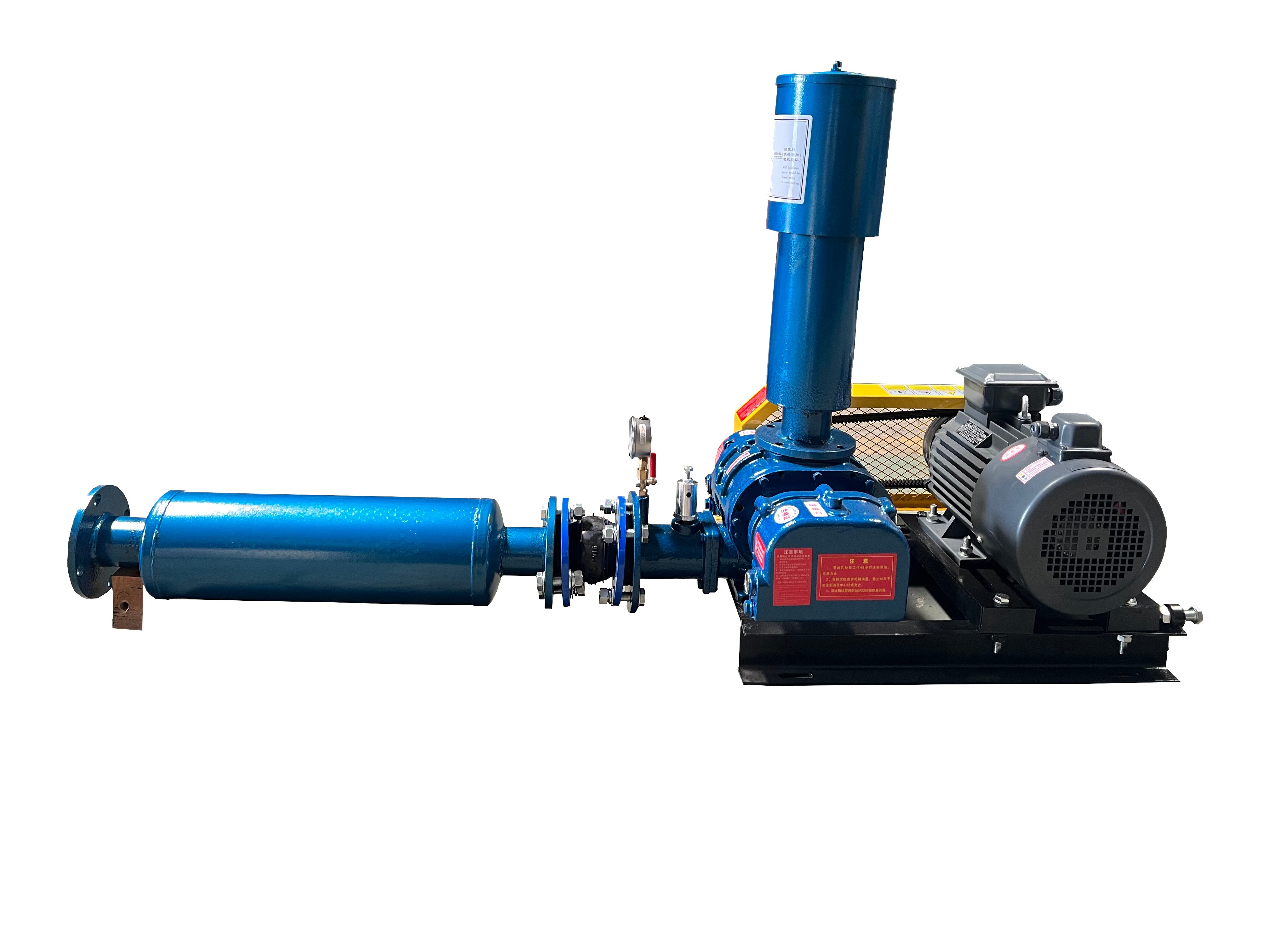
Industrial operations depend on consistent, reliable air delivery systems that can handle demanding environments and maintain steady performance over extended periods. The lobe roots blower has become a cornerstone technology across manufacturing, wastewater treatment, pneumatic conveying, and food processing industries. This rotary displacement equipment delivers compressed air with predictable pressure and flow rates, making it indispensable for operations where consistency and reliability matter most.
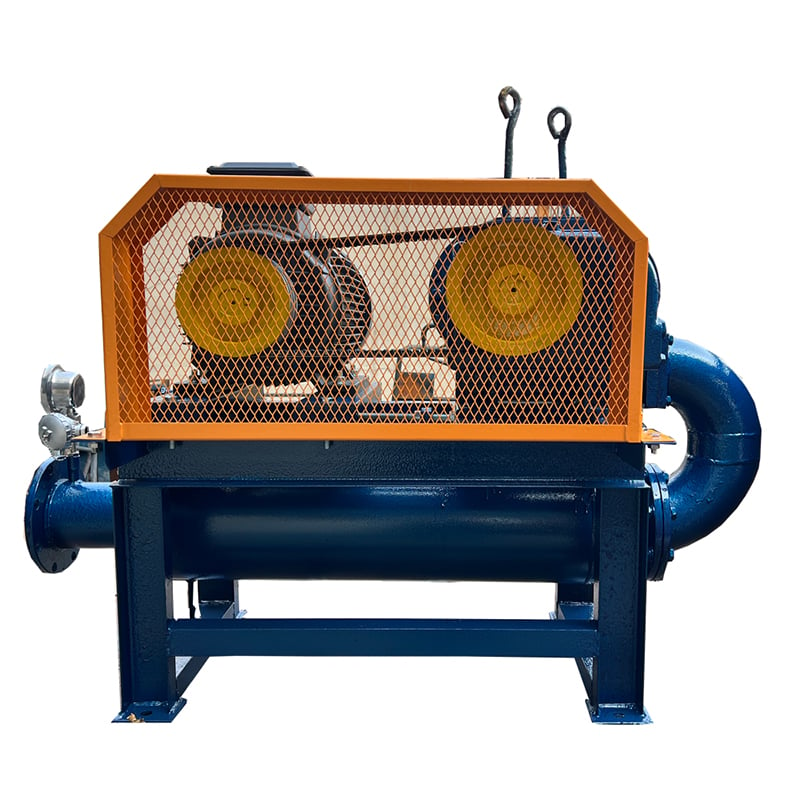
Understanding the mechanical principles and operational advantages of this positive displacement technology reveals why industrial engineers and facility managers continue to specify lobe roots blower systems for mission-critical applications. Unlike centrifugal blowers that vary output with motor speed changes, positive displacement blower applications maintain constant flow regardless of pressure fluctuations within design limits. This mechanical certainty translates directly into operational control, reduced downtime, and predictable energy consumption across industrial air compression systems.
The Mechanical Foundation of Rotary Lobe Displacement Technology
How Positive Displacement Delivers Consistent Performance
The core advantage of rotary lobe blower specifications lies in their simple yet effective design. Two interlocking rotor lobes rotate within a precision-machined housing, trapping air in expanding chambers and pushing it toward the discharge port. This positive displacement blower applications approach ensures that every rotation delivers a fixed volume of air regardless of downstream pressure conditions. The mechanical integrity of this design eliminates the variability found in centrifugal equipment, where output fluctuates based on system resistance and temperature changes.
Industrial air compression systems benefit from this predictability because facility operators can confidently calculate air requirements, select appropriate motor sizing, and maintain consistent process conditions. Pharmaceutical manufacturing relies on this precision for tablet coating and dust collection. Wastewater treatment plants depend on steady aeration rates to maintain biological processes. Pneumatic conveying systems in grain mills and chemical plants require unwavering flow to prevent product segregation and process interruptions. Rotary lobe blower specifications support these applications because the equipment guarantees output reliability.
Durability and Longevity in Harsh Industrial Environments
The robust construction of rotary lobe blower specifications extends service life in demanding conditions where other air handling equipment fails. Cast iron housings, precision-machined rotors, and sealed bearing assemblies withstand temperature fluctuations, contaminated inlet air, and continuous operation cycles that would compromise less durable designs. Industrial air compression systems operating in paper mills, steel foundries, and recycling facilities expose equipment to dust, moisture, and thermal stress. Lobe roots blower technology tolerates these conditions because the mechanical simplicity leaves fewer components vulnerable to degradation.
Maintenance intervals remain extended compared to centrifugal alternatives because the fixed mechanical relationship between components produces minimal wear patterns. Oil lubrication reaches all critical surfaces consistently, cooling stays effective through strategic housing design, and bearing support systems handle the balanced forces generated by rotating lobes. Facilities report five to ten years of reliable service from positive displacement blower applications when proper maintenance protocols are followed, reducing capital equipment replacement costs and minimizing unplanned downtime.
Industrial Applications Where Positive Displacement Defines Success
Pneumatic Systems and Air-Dependent Processes
Pneumatic conveying systems represent one of the most demanding positive displacement blower applications in modern industry. Transporting powdered materials, granules, and bulk solids requires sustained pressure and flow rates that remain constant throughout the transfer process. Rotary lobe blower specifications deliver precisely this capability, pushing material through pipelines over distances exceeding 500 meters without pressure dropout that would cause product blockages. Cement plants, plastics processors, flour mills, and chemical manufacturers depend on these systems to move tons of material daily while maintaining process efficiency and product quality.
Vacuum applications leverage the same technology in reverse configuration, where lobe roots blower equipment creates negative pressure for materials handling, package evacuation, and industrial cleaning. The consistent displacement rate makes vacuum conveying systems predictable and controllable, allowing operators to manage product fragility, prevent dusting, and optimize transfer velocities. Food processing facilities use these industrial air compression systems for hygiene-critical applications where sealed, oil-free operation prevents product contamination.
Wastewater Treatment and Environmental Applications
Municipal and industrial wastewater treatment facilities operate lobe roots blower systems continuously to maintain dissolved oxygen levels essential for biological treatment processes. The activated sludge method requires steady aeration rates measured in thousands of cubic meters per hour. Rotary lobe blower specifications ensure this consistency through sixteen-hour daily operation cycles that must maintain process biology. Unlike centrifugal equipment where surges occur during startup or speed fluctuations, positive displacement blower applications provide immediate, stable flow that supports microbial populations and treatment efficiency.
Industrial air compression systems handling wastewater duty benefit from proven reliability records spanning decades. Environmental regulations demand process consistency that affects discharge water quality. Lobe roots blower technology meets these demands because the mechanical certainty prevents the intermittent aeration variations that disrupt biological treatment. Facilities report lower chemical treatment requirements and improved effluent quality when rotary lobe blower specifications replace aging centrifugal systems designed for less demanding applications.
Integration and Control Advantages in Modern Industrial Settings
Variable Frequency Drive Compatibility and Energy Management
Contemporary industrial air compression systems increasingly pair lobe roots blower equipment with variable frequency drives to optimize energy consumption while maintaining the discharge pressure control that processes demand. This combination allows facility operators to reduce speed during low-demand periods, cutting power draw by 20 to 40 percent while preserving the positive displacement blower applications reliability that pneumatic systems require. Motors sized for maximum flow can operate efficiently across the entire demand spectrum rather than running full-speed continuously as rotary lobe blower specifications previously required.
Smart control systems now monitor pressure, flow, and motor efficiency in real-time, adjusting blower speed dynamically to match actual process requirements. Pharmaceutical cleanroom operations can reduce air delivery during equipment idle periods. Packaging facilities can match output to production line speed variations. Food processing plants can optimize aeration rates in mixing vessels. These energy management strategies become possible because positive displacement blower applications maintain output consistency across the full speed range, eliminating the performance variability that would compromise process control.
Noise Reduction and Sound Engineering Solutions
Industrial facilities increasingly face noise regulations requiring sound levels below 85 decibels in operating areas. Modern rotary lobe blower specifications incorporate machined rotor geometries that reduce turbulence, optimize lobes profiles, and minimize pressure ripple that generates airborne noise. Acoustic enclosures surrounding industrial air compression systems further reduce noise transmission. Coupling vibration isolation and precision balancing techniques allow lobe roots blower installation in facilities adjacent to office spaces, clean rooms, and sensitive manufacturing areas previously considered incompatible with air handling equipment.
The mechanical simplicity of positive displacement blower applications enables these noise reduction advances because fewer high-speed components generate sound compared to multistage centrifugal designs. Sound attenuation pathways are predictable and controllable. Discharge silencers effectively suppress noise at its source. These capabilities make modern lobe roots blower systems compatible with evolving industrial facility design standards that integrate manufacturing, office, and quality-control spaces into unified campus environments.
FAQ
What makes a lobe roots blower more reliable than centrifugal alternatives for industrial applications?
Positive displacement blower applications maintain consistent output regardless of downstream pressure variations, while centrifugal designs experience performance fluctuations. Rotary lobe blower specifications use simple mechanical displacement principles that require fewer moving components, reducing failure points. The robust construction tolerates contaminated inlet air, temperature extremes, and continuous duty cycles that challenge less durable equipment. This mechanical certainty and durability make lobe roots blower systems ideal for mission-critical industrial air compression systems where reliability directly impacts production continuity.
How do rotary lobe blower specifications handle high-pressure industrial air compression requirements?
Positive displacement blower applications deliver fixed flow volumes through each rotor rotation, generating pressure determined by system resistance rather than impeller speed. Multi-stage configurations stack rotors within a single housing, enabling industrial air compression systems to achieve pressures exceeding 1 bar without performance degradation. Discharge valve geometry and housing design optimize pressure generation while controlling temperature rise. Rotary lobe blower specifications rating systems account for these pressure capabilities, allowing engineers to select equipment precisely matched to application requirements across a wide performance envelope.
Which industries benefit most from lobe roots blower technology for air delivery?
Wastewater treatment, pneumatic conveying, pharmaceutical manufacturing, food processing, and automotive assembly represent industries where lobe roots blower systems excel. Positive displacement blower applications dominate these sectors because facility operations demand the consistent, controlled air delivery that rotary lobe blower specifications provide. Environmental applications, chemical processing, and packaging industries similarly depend on industrial air compression systems where reliability and process consistency determine product quality and regulatory compliance. These sectors specify lobe roots blower equipment because alternative technologies cannot match the performance certainty these applications require.