 EN
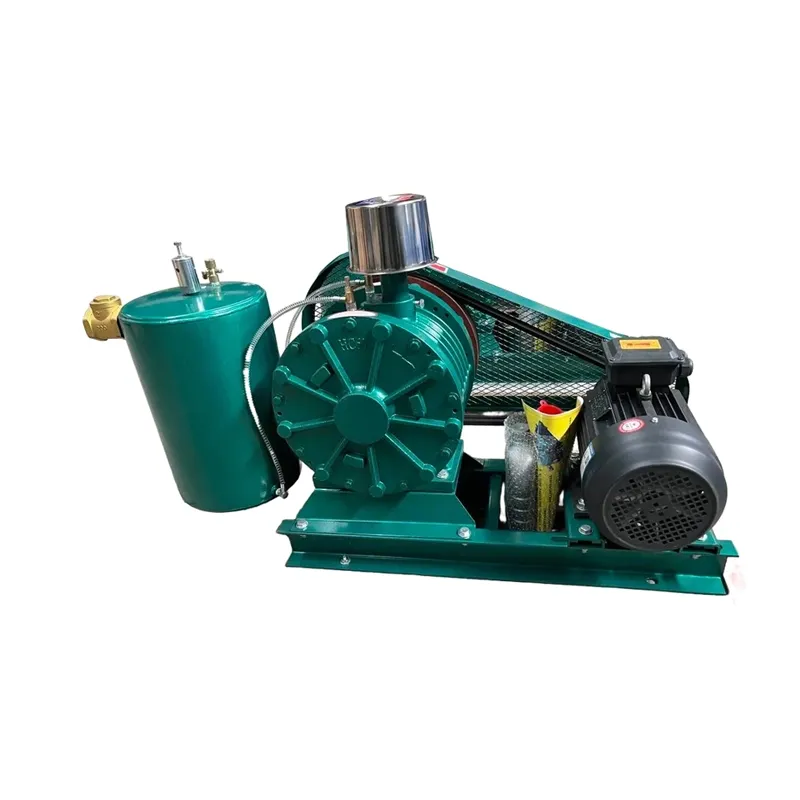
Pneumatic conveying systems depend on consistent, reliable airflow to transport materials efficiently through pipes and ducts across industrial facilities. A positive displacement blower has become the preferred choice for these demanding applications because it delivers steady pressure and volumetric flow regardless of system resistance. Unlike centrifugal blowers that rely on speed and impeller design, a positive displacement blower works by trapping air in expanding chambers and forcing it into the discharge line with predictable, non-pulsating output. This fundamental design advantage makes it exceptionally suited to the precise requirements of pneumatic conveying across diverse industries.
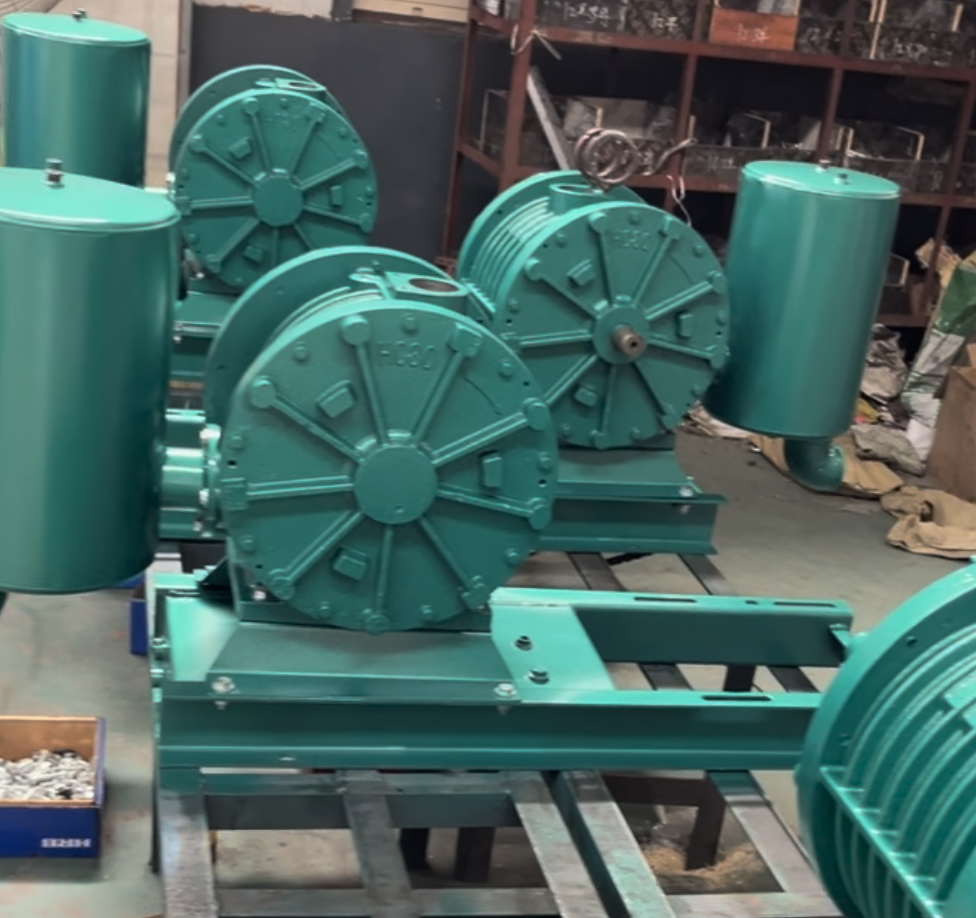
In pneumatic conveying, material must move smoothly without settling, bridging, or erratic flow variations that create bottlenecks and quality problems. A positive displacement blower maintains constant volumetric displacement with each rotation, ensuring the system receives steady airflow even as line pressure fluctuates. This stability is critical when conveying powders, granules, or other bulk solids where inconsistent air velocity can cause material segregation or incomplete transfer. The positive displacement blower's ability to handle variable discharge pressures while maintaining reliable airflow makes it the backbone of modern pneumatic conveying infrastructure.
Core Design Advantages for Conveying Applications
Constant Volumetric Displacement and Pressure Stability
A positive displacement blower generates airflow through a fixed geometric cycle, meaning each rotation moves the same volume of air regardless of system backpressure. This distinguishes it sharply from centrifugal designs, which reduce flow as discharge pressure increases. In pneumatic conveying, line resistance continuously changes as material moves through the system and as pipe configurations vary. The positive displacement blower compensates automatically, preventing the flow drops that would otherwise slow material transport or create dead zones in horizontal runs. This pressure-stable behavior ensures materials arrive at their destination on schedule without the energy inefficiency of oversizing the blower to overcome worst-case resistance.
Non-Pulsating, Smooth Airflow Output
Pneumatic conveying success depends on smooth material acceleration and consistent velocity throughout the pipe network. A positive displacement blower produces nearly pulsation-free discharge air through its design geometry, creating a uniform pressure profile that moves material steadily rather than in surges. Pulsating airflow from some alternative blower types can cause material to bounce, separate, or accumulate in elbows, increasing wear and reducing throughput. The smooth output of a positive displacement blower minimizes these mechanical stresses and extends equipment life across the entire conveying system, from the pickup point through to the collection vessel.
Industrial Suitability and Performance Context
Wide Operating Range and Load Adaptability
Pneumatic conveying systems often encounter variable load conditions: sometimes they transport dense, heavy materials that require maximum airflow and pressure, while other cycles move lighter, more friable materials that demand gentler handling. A positive displacement blower adapts to these changing demands because its displacement remains constant while its pressure output adjusts to system requirements. This flexibility reduces the need for multiple blower sizes or complex bypass systems. Industrial operators benefit from a single positive displacement blower that reliably handles peak loads without compromising efficiency during lighter conveying cycles, making the investment economically sound across a diverse production portfolio.
Energy Efficiency and Operating Cost Control
While a positive displacement blower operates at fixed displacement, its pressure-adaptive nature prevents wasted energy. Unlike centrifugal blowers that may throttle or surge at high pressures, a positive displacement blower delivers only the air volume and pressure the system actually needs. In facilities running pneumatic conveying systems continuously, this efficiency advantage compounds into substantial energy savings over months and years of operation. Modern positive displacement blower designs incorporate improved bearing systems and rotor profiles that further reduce friction losses, making them increasingly attractive to operations seeking to reduce their energy footprint and operating budgets.
Reliability, Maintenance, and Total Cost of Ownership
Robust, Simple Mechanical Operation
A positive displacement blower's core mechanism—rotors or lobes driven by a motor through a simple gear set—involves fewer moving parts and lower rotational speeds than centrifugal designs. This simplicity translates directly into reliability. Fewer critical components mean fewer potential failure points, and lower speeds reduce bearing wear and noise generation. In pneumatic conveying applications where downtime directly impacts production schedules, the straightforward mechanical operation of a positive displacement blower provides peace of mind. Spare parts are typically standardized and readily available, and technicians across the industry understand maintenance procedures, reducing repair costs and system recovery time.
Long-Term Economic Value in Conveying Systems
The total cost of ownership for a pneumatic conveying system extends far beyond the initial blower purchase price. Installation, operation, maintenance, energy consumption, and downtime all factor into the economics over a five-to-ten-year lifecycle. A positive displacement blower's stable pressure output reduces stress on pipe fittings, valves, and collection equipment, lowering failure rates and maintenance frequency. Its predictable airflow reduces material waste from inconsistent conveying, improving product yield. When calculated across a full operational life cycle, a positive displacement blower often delivers superior value compared to cheaper alternatives that require more frequent servicing or consume more energy.
FAQ
How does a positive displacement blower maintain constant airflow under changing backpressure?
A positive displacement blower operates by trapping air in sealed chambers that expand and contract in a fixed geometric pattern. As discharge pressure increases, the blower's motor must work harder to overcome that resistance, but the volume of air displaced per rotation remains constant. This fundamental design principle ensures airflow stability regardless of whether the system backpressure is low or high, making it ideal for pneumatic conveying where line resistance varies continuously.
Can a positive displacement blower handle wet or corrosive material in pneumatic conveying systems?
Standard positive displacement blower designs handle clean air or dry materials best. However, industrial manufacturers offer specialized variants with corrosion-resistant materials, improved sealing, and enhanced drainage for challenging environments. For wet or chemically aggressive materials, consulting the blower manufacturer about material selections and protective coatings is essential to ensure durability and prevent premature failure in demanding pneumatic conveying applications.
What maintenance schedule should a positive displacement blower follow in continuous pneumatic conveying duty?
Routine maintenance for a positive displacement blower typically includes periodic oil checks and changes, bearing lubrication, and inspection of seals and gaskets. In continuous pneumatic conveying service, manufacturers usually recommend maintenance intervals based on operating hours—often every 2,000 to 4,000 hours. Regular monitoring of discharge pressure, temperature, and vibration helps detect wear early, allowing preventative maintenance that keeps the blower operating efficiently and prevents unplanned downtime.
Table of Contents
- Core Design Advantages for Conveying Applications
- Industrial Suitability and Performance Context
- Reliability, Maintenance, and Total Cost of Ownership
-
FAQ
- How does a positive displacement blower maintain constant airflow under changing backpressure?
- Can a positive displacement blower handle wet or corrosive material in pneumatic conveying systems?
- What maintenance schedule should a positive displacement blower follow in continuous pneumatic conveying duty?