
 EN
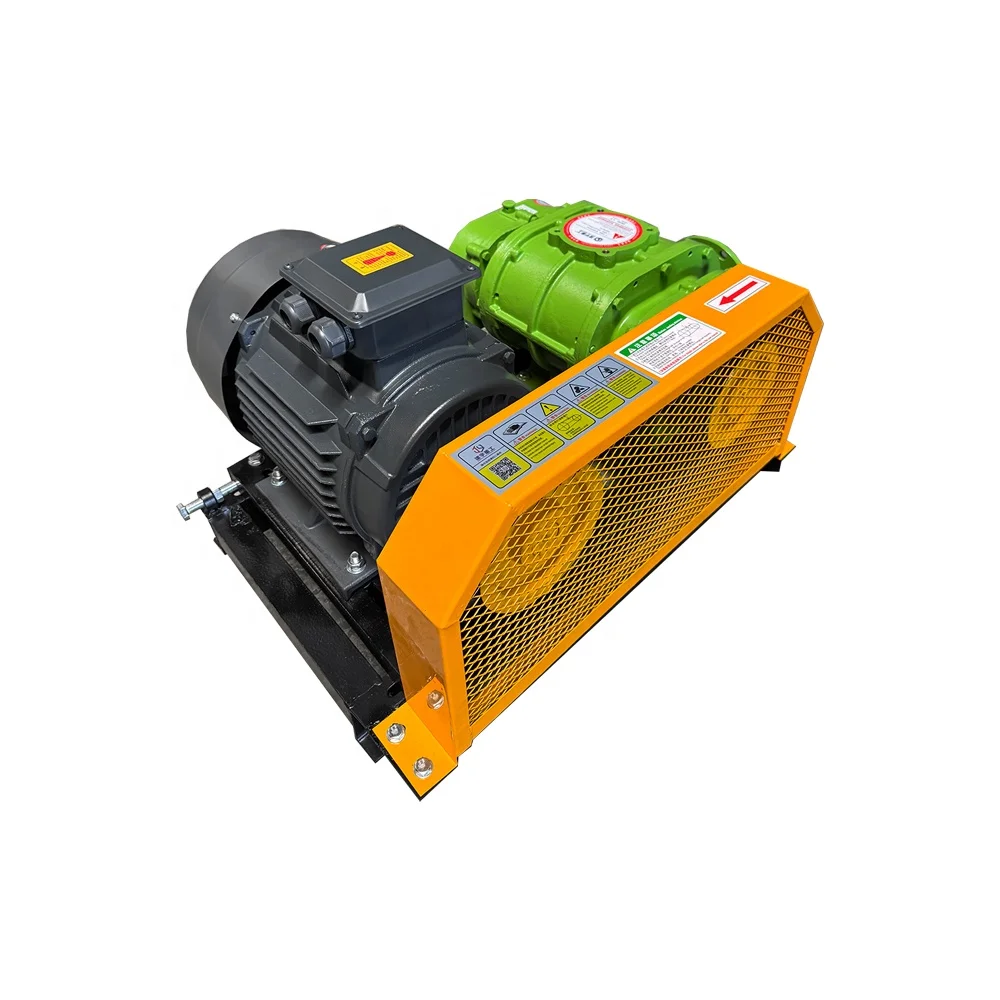
Healthy aquatic growth depends on consistent oxygen delivery, and an aquaculture blower serves as the foundation of that critical requirement. In fish farming and commercial aquaculture operations, dissolved oxygen levels directly impact fish health, growth rates, feed efficiency, and survival. An aquaculture blower provides the mechanical force needed to maintain aerobic conditions in water bodies, whether in ponds, tanks, or raceways. Without adequate aeration, fish experience stress, disease susceptibility increases, and production costs rise due to mortality and stunted growth. Understanding how an aquaculture blower supports these operations is essential for anyone responsible for aquatic animal welfare and production success.
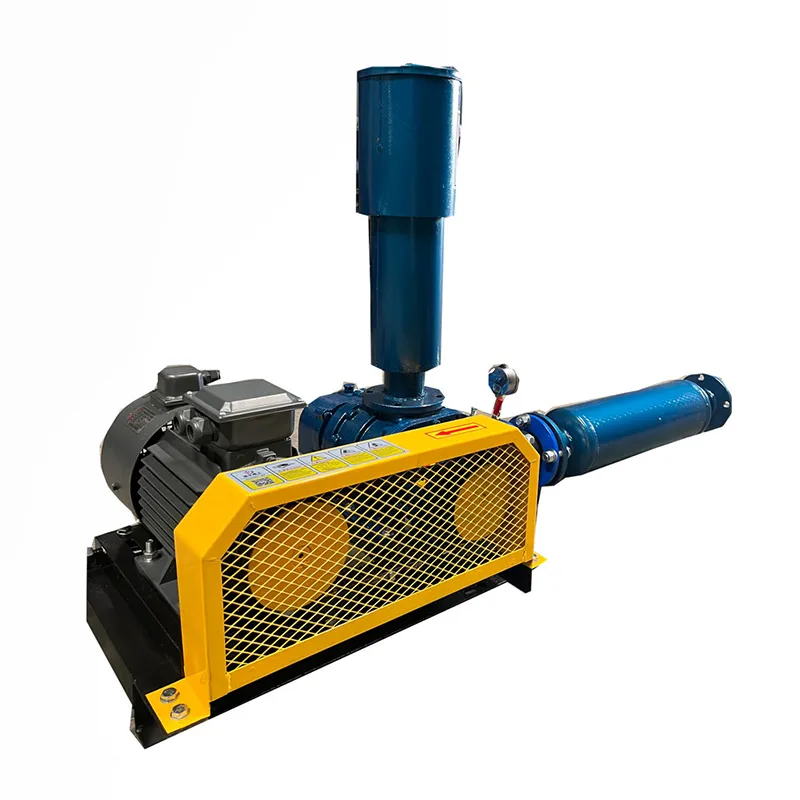
A pond aeration system powered by reliable blower technology ensures water quality parameters remain within optimal ranges. The primary role of an aquaculture blower is to move air into water, either directly through diffusers or via paddle wheels and fountain systems. This mechanical aeration increases the surface area available for gas exchange and pushes oxygen-rich water throughout the entire water column. Aquaculture oxygen requirements vary based on stocking density, water temperature, and species type, but maintaining adequate dissolved oxygen is non-negotiable for sustainable production. The fish tank air pump component of these systems must operate continuously and reliably to prevent dangerous oxygen depletion during critical periods, especially at night when photosynthesis ceases.
How Aquaculture Blowers Meet Oxygen Demands
Direct Oxygen Supply and Water Circulation
An aquaculture blower generates consistent airflow that drives oxygen dissolution and water movement simultaneously. When integrated into a pond aeration system, the blower forces air through submerged diffusers, creating fine bubbles that maximize contact time between air and water. This mechanical process increases dissolved oxygen concentration while also circulating water to prevent stratification and stagnant zones. Circulation prevents thermal layering and ammonia buildup, both of which compromise aquaculture oxygen requirements and harm fish populations. A properly sized fish tank air pump ensures that even high-density farms meet their oxygen needs without energy waste or system failures.
Preventing Oxygen Depletion Events
Nighttime oxygen depletion is the leading cause of fish kills in aquaculture facilities. During darkness, plants stop producing oxygen through photosynthesis, and decomposition processes consume dissolved oxygen rapidly. An aquaculture blower running during these critical hours prevents catastrophic losses by maintaining minimum dissolved oxygen thresholds. A reliable pond aeration system backed by redundant or oversized blower capacity provides a safety margin against unexpected demand spikes or equipment failures. Many experienced aquaculture producers maintain backup blower systems specifically to protect against this risk. The investment in a robust fish tank air pump system pays for itself through improved survival rates and consistent harvest yields.
Design and Performance Factors
Blower Specifications and Capacity Matching
Selecting the correct aquaculture blower size requires calculating the total oxygen demand of the farm and accounting for water temperature, species, and feeding intensity. A pond aeration system requires blower specifications that match water volume, depth, and stocking density. Undersized blowers create chronic oxygen stress that reduces growth and increases disease, while oversized units waste energy without proportional benefit. Modern fish tank air pump designs often incorporate variable frequency drives that adjust airflow to meet fluctuating oxygen demands throughout the day and season. High-pressure, low-flow designs suit deep ponds, while large-volume, lower-pressure systems work better for shallow production tanks. Understanding these design parameters ensures an aquaculture blower delivers both reliability and efficiency.
Installation and Operational Considerations
Proper installation of an aquaculture blower directly affects system performance and longevity. The intake must be positioned in clean air away from dust or chemical contamination that would damage blower internals. A pond aeration system requires adequate ducting and diffuser placement to distribute oxygen evenly across the water body and avoid dead zones. The fish tank air pump must be protected from weather and temperature extremes that could affect motor efficiency. Regular maintenance schedules, including diffuser cleaning and pressure monitoring, keep the aquaculture blower operating at peak performance. Many operations position blower equipment on elevated platforms with vibration isolation to minimize noise and mechanical stress.
Real-World Impact on Production Outcomes
Growth Performance and Feed Conversion
Fish growth and feed efficiency directly correlate with dissolved oxygen availability in the water. An aquaculture blower maintaining adequate oxygen supports faster growth rates, lower feed conversion ratios, and better survival percentages. Studies consistently show that farms with optimized pond aeration systems achieve 10 to 20 percent higher growth compared to inadequately aerated facilities. The economic return from improved aquaculture oxygen requirements management justifies equipment investment within a single production cycle. A fish tank air pump that fails or undersizes the system costs far more in lost production than the initial equipment purchase. Oxygen management is not an optional expense but rather a foundational operational cost that drives profitability.
Water Quality Stability and Disease Prevention
An aquaculture blower supporting consistent oxygen delivery reduces nitrogenous waste accumulation and maintains pH stability. Adequate aeration through a properly designed pond aeration system promotes aerobic bacterial processes that naturally detoxify water and improve microbial balance. Fish under chronic stress from low oxygen become susceptible to parasites, bacterial infections, and fungal diseases that spread rapidly through dense populations. By maintaining aquaculture oxygen requirements, an effective fish tank air pump reduces disease pressure and minimizes antibiotic use. Many regulations now require lower antibiotic applications in aquaculture, making oxygen-driven disease prevention increasingly important for market access and sustainability credentials.
FAQ
What size aquaculture blower do I need for my farm?
The correct blower size depends on your total water volume, stocking density, water temperature, and species oxygen demands. A general rule estimates 1 to 2 horsepower of aeration per 1,000 gallons of high-density fish farm, but a qualified aquaculture consultant should evaluate your specific conditions. A pond aeration system serving extensive operations may require multiple blowers or a single large-capacity unit with backup redundancy. Most suppliers provide sizing calculators or can recommend appropriate fish tank air pump specifications based on your facility parameters.
How often should I maintain my aquaculture blower system?
Regular maintenance extends the life of an aquaculture blower and prevents unexpected downtime. Daily checks should confirm the system operates smoothly and pressure gauges read within normal ranges. Weekly cleaning of diffusers keeps the pond aeration system functioning efficiently, and monthly inspections of all mechanical components catch potential failures early. Many operations schedule annual professional servicing, which includes bearing lubrication, seal inspection, and performance testing to ensure the fish tank air pump continues operating at design capacity.
Can a single aquaculture blower handle seasonal oxygen demand changes?
A single oversized aquaculture blower can technically handle seasonal variation, but efficiency suffers during low-demand periods. Most modern pond aeration systems use variable frequency drives on the fish tank air pump motor to adjust airflow dynamically without running equipment at partial capacity continuously. This approach maintains consistent oxygen delivery while reducing energy costs during cooler months when oxygen requirements naturally decrease. Some large operations maintain multiple smaller blowers to provide load-sharing and redundancy benefits alongside seasonal flexibility.