
 EN
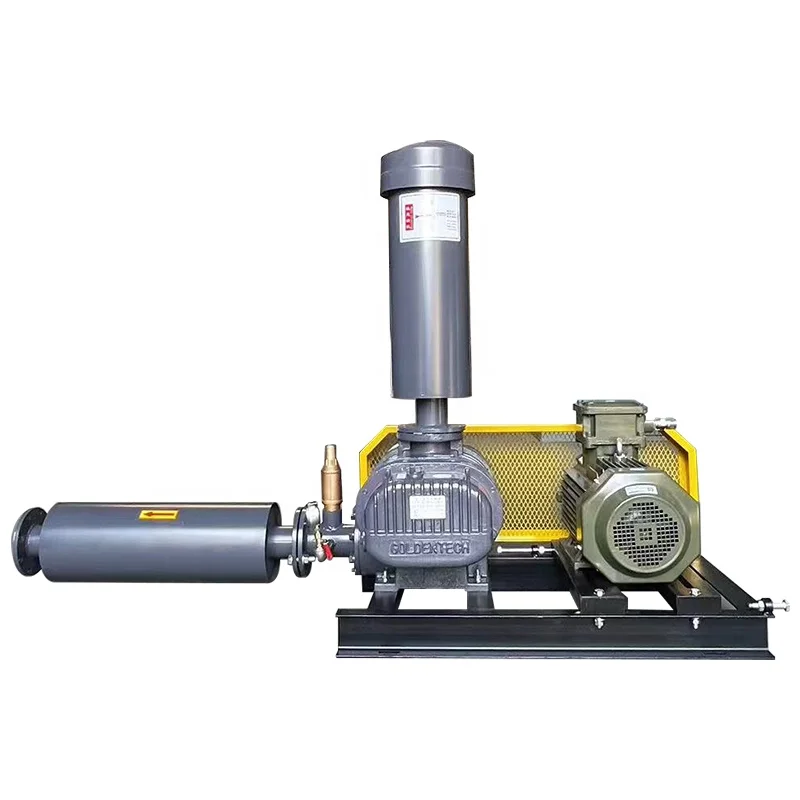
Water farming systems depend on precise environmental control to maintain fish health and productivity. An aquaculture blower serves as the backbone of oxygen delivery in modern aquaculture operations. Without reliable aeration, dissolved oxygen levels drop rapidly, creating conditions where fish struggle to survive and disease proliferates. This core technology directly influences survival rates, growth performance, and the overall profitability of water farming enterprises.
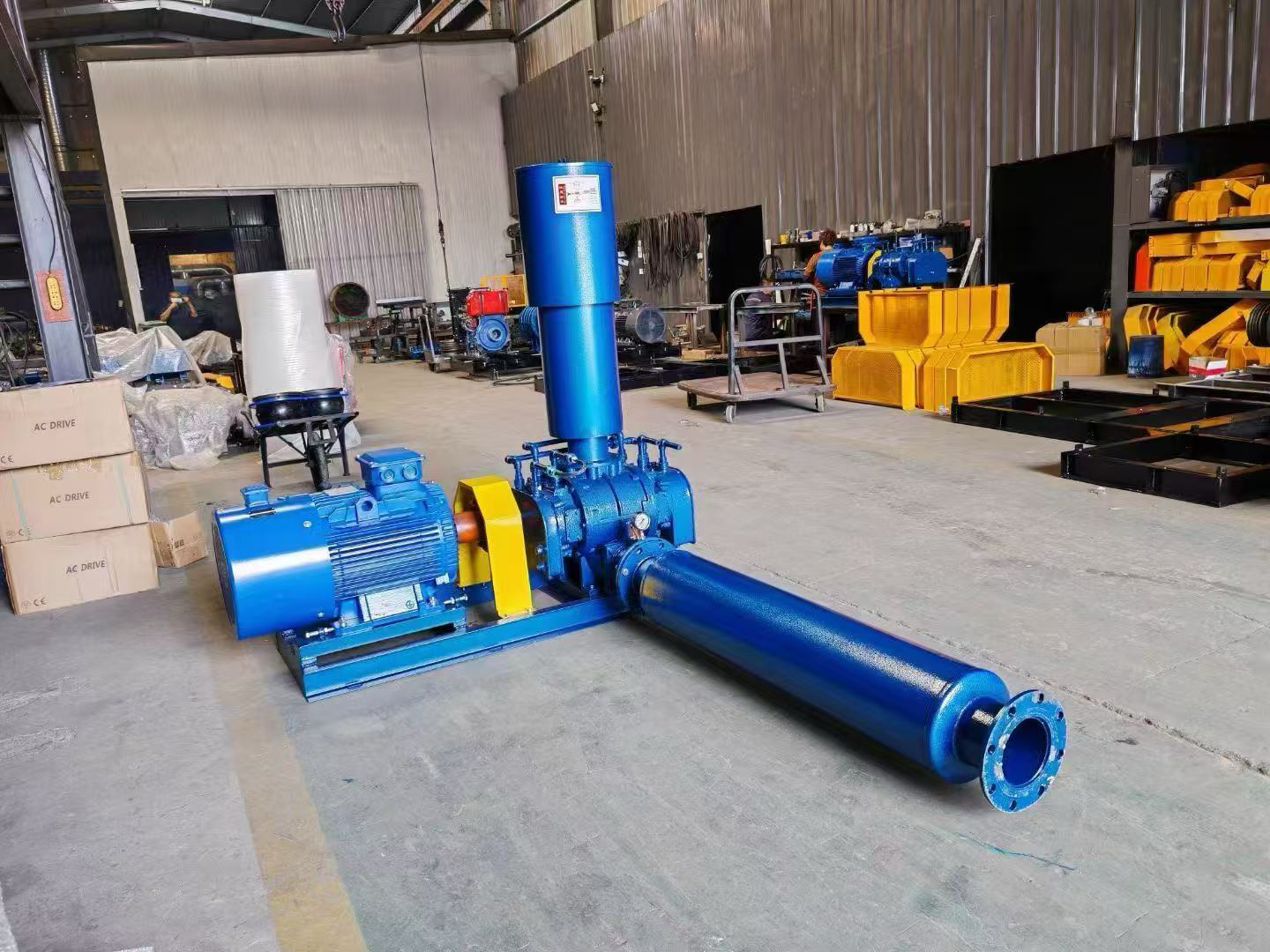
Aquaculture oxygen requirements vary based on fish species, water temperature, stocking density, and feed volume. A properly designed pond aeration system responds to these dynamic demands, preventing hypoxic stress that damages fish tissue and triggers mortality events. Whether managing tilapia, catfish, shrimp, or other species, operators must understand how blower technology directly translates to operational success. The fish tank air pump selection process requires knowledge of flow rates, pressure requirements, and energy efficiency metrics that determine long-term operating costs.
Understanding Aquaculture Oxygen Demands
Biological Requirements in Water Farming
Fish extract dissolved oxygen from water through their gills, consuming oxygen at rates proportional to body weight, metabolic activity, and water temperature. High-density aquaculture systems intensify these demands exponentially. A single fish tank containing thousands of juvenile fish can require continuous oxygen replenishment that only a robust pond aeration system can reliably deliver. Temperature fluctuations further complicate management—warmer water holds less dissolved oxygen while increasing fish metabolic demands simultaneously.
Aquaculture oxygen requirements also depend on organic decomposition rates within the system. Feed waste, fish excretion, and dead biomass undergo bacterial degradation that consumes substantial dissolved oxygen before it reaches living fish. This secondary oxygen demand, called biochemical oxygen demand, can exceed direct fish requirements in heavily loaded systems. Professional operators recognize that visible oxygen depletion represents a crisis point where fish have already endured hours of suboptimal conditions.
Disease Prevention Through Proper Aeration
Oxygen-stressed fish exhibit compromised immune function, making them susceptible to parasites, fungal infections, and bacterial pathogens that thrive in low-oxygen environments. A fish tank air pump that maintains consistent dissolved oxygen above critical thresholds prevents these cascading health failures. Poor aeration creates stagnant zones where water stratification allows anaerobic conditions to develop, particularly near tank bottoms where waste accumulates. This reality explains why emergency backup systems accompany every commercial aquaculture blower installation.
How Pond Aeration Systems Deliver Reliable Performance
Mechanical Design and Air Delivery
A pond aeration system operates through continuous air volume displacement, with the aquaculture blower serving as the primary pressure source. Root blowers, positive displacement units, and side-channel blowers each offer distinct operational characteristics suited to different farming scales and water depths. The blower forces compressed air through delivery pipes to diffusers submerged in the water column, where bubbles rise and agitate the water surface. This rising action exposes water to atmospheric oxygen while mixing oxygenated surface water downward into deeper zones.
Diffuser selection within the pond aeration system significantly impacts oxygen transfer efficiency. Fine bubble diffusers maximize contact time between air and water, achieving superior oxygen transfer rates compared to coarse bubble designs. However, fine bubble systems require higher pressure and consume more energy, creating a trade-off operators must evaluate based on farm economics and site-specific conditions. Proper system design ensures that aquaculture oxygen requirements are met while maintaining reasonable operating costs across multiple production cycles.
Energy Efficiency and Operating Economics
Aeration typically represents the largest operational cost component in commercial aquaculture operations, sometimes exceeding 50 percent of total production expenses. A fish tank air pump's energy consumption directly impacts profitability, making efficiency selection critical for long-term sustainability. Modern aquaculture blower models incorporate variable frequency drives, high-efficiency motors, and optimized blade geometries that reduce energy per unit volume delivered. Operators comparing equipment options must balance capital costs against projected energy savings across five to ten-year operating horizons.
Maintenance requirements also influence long-term operating costs for any pond aeration system. Dust ingestion, moisture accumulation, and bearing wear affect blower reliability and service life. Premium models often justify higher initial investment through extended intervals between major maintenance activities. Farm managers who implement preventive maintenance programs—including intake filter changes, bearing inspections, and seal replacements—consistently achieve superior equipment reliability and lower total cost of ownership.
Practical Implementation in Water Farming Operations
System Sizing and Redundancy Planning
Proper aquaculture blower sizing requires detailed calculations incorporating expected stocking density, fish species metabolism, water volume, and maximum operating temperature. Undersized systems create chronic oxygen depletion, while oversized systems waste energy unnecessarily. Most professional operators install equipment rated 15 to 25 percent above minimum calculated requirements, ensuring margin for unexpected demand spikes or equipment degradation. A fish tank air pump backup system, typically 50 to 75 percent of primary capacity, protects against aeration failure during equipment maintenance or mechanical breakdown.
Distributed aeration approaches, utilizing multiple smaller blowers rather than single large units, provide inherent redundancy while improving operational flexibility. This strategy allows operators to respond to seasonal variations in aquaculture oxygen requirements without overloading single equipment. Grid power reliability must also influence system architecture; farms in areas prone to electrical outages should consider battery backup or generator-powered pond aeration system components to prevent catastrophic fish losses.
Monitoring and Adaptive Management
Real-time dissolved oxygen monitoring represents best practice in modern aquaculture blower management. Continuous sensors provide immediate alerts when oxygen levels decline below species-specific thresholds, triggering emergency protocols before fish health deteriorates. Historical data logging enables identification of seasonal trends and equipment performance degradation patterns. Operators who correlate dissolved oxygen readings with feed rates, water temperature, and fish biomass gain crucial insights for optimizing their pond aeration system throughout production cycles.
Adaptive aeration strategies adjust blower operation based on real-time conditions rather than running at constant output. Dawn hours typically demand maximum aeration as plant respiration consumes oxygen after dark, while daytime photosynthesis may temporarily reduce oxygen demand. A fish tank air pump controlled by automated feedback systems maximizes oxygen delivery when needed most while conserving energy during periods of natural oxygen production. This technology integration represents the frontier of efficient aquaculture oxygen requirements management.
FAQ
What happens if an aquaculture blower fails during operation?
Fish experience acute stress within minutes of oxygen depletion, with mortality increasing exponentially as time passes. Dissolved oxygen can decline from adequate levels to critically low levels within two to four hours depending on system volume, fish biomass, and organic load. Backup pond aeration system capacity becomes essential insurance against catastrophic losses. Professional operations maintain redundant blowers, battery backup, and emergency notification systems to minimize mortality exposure during unplanned equipment failures or maintenance windows.
How does water temperature affect aquaculture oxygen requirements?
Warm water both holds less dissolved oxygen and increases fish metabolic rates, creating a double pressure on pond aeration systems. Water at 30 degrees Celsius holds approximately 20 percent less dissolved oxygen than water at 20 degrees Celsius, while fish metabolic rate roughly doubles for every 10-degree temperature increase. Summer months in tropical regions therefore demand significantly higher aquaculture blower capacity than winter conditions. Operators managing seasonal temperature swings must either increase aeration capacity during warm months or reduce stocking densities to maintain adequate aquaculture oxygen requirements.
Can a single fish tank air pump handle multiple ponds simultaneously?
A centralized aquaculture blower can distribute air to multiple ponds through manifold piping systems, reducing equipment redundancy and simplifying maintenance. However, this approach concentrates failure risk—equipment problems instantly impact all connected ponds. Most commercial operations prefer dedicated blowers per production unit, accepting higher capital costs for the operational safety and independent management flexibility. Mixed approaches, with primary blowers serving multiple ponds while backup units remain tank-specific, balance economic and operational considerations within many mid-scale water farming enterprises.