
 EN
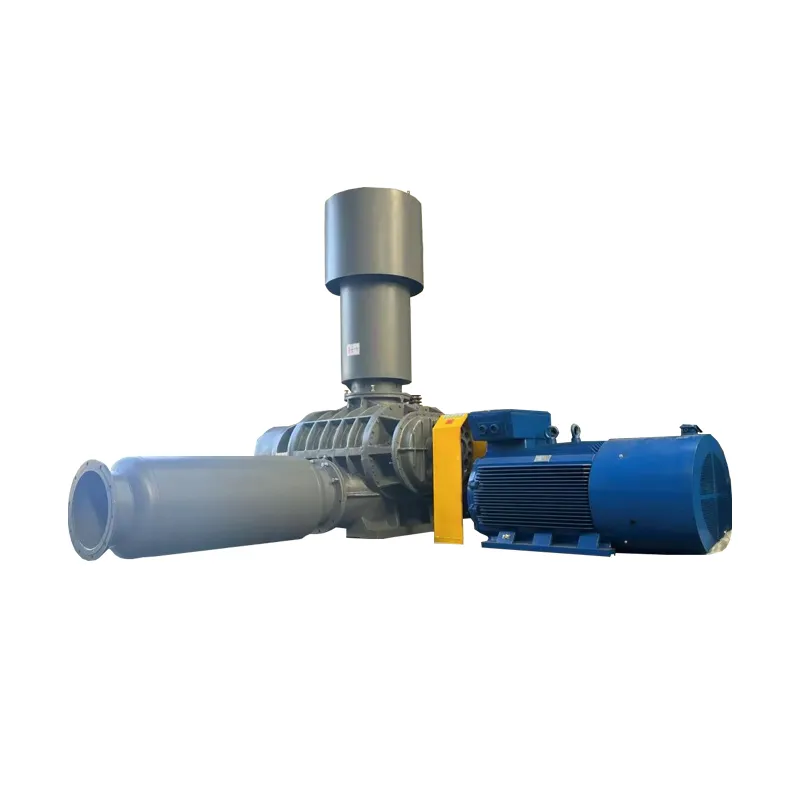
Maintaining optimal oxygen levels is one of the most critical challenges in modern fish farming operations. When water becomes hypoxic, fish growth slows, disease resistance weakens, and mortality rates spike dramatically. An aquaculture blower addresses this fundamental problem by delivering consistent, reliable aeration to ensure fish health and maximize production efficiency across all farm scales.
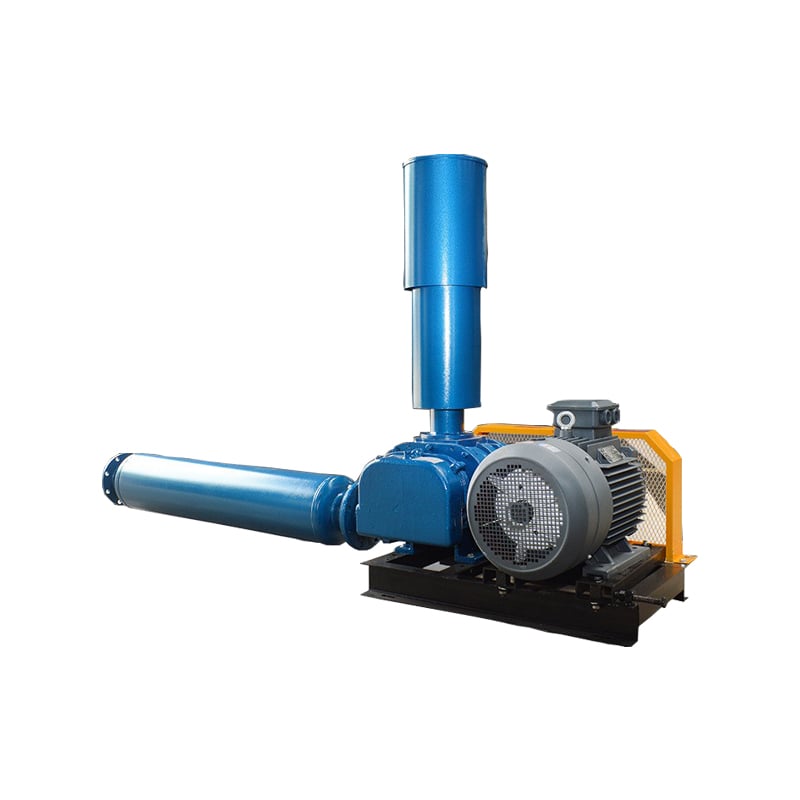
Fish require dissolved oxygen to survive and thrive. Without proper pond aeration systems in place, stagnant water quickly becomes oxygen-depleted, forcing fish to migrate toward surface areas in search of breathable water. This behavioral stress reduces feed conversion, increases susceptibility to parasites, and creates ideal conditions for disease outbreaks. A well-designed fish tank oxygen pump prevents these cascading problems by actively circulating and aerating water throughout the entire farm environment.
How Pond Aeration Systems Work in Fish Farming
The Oxygen Transfer Mechanism
Pond aeration systems operate by forcing air through water, creating turbulence that exposes more water surface area to atmospheric oxygen. When an aquaculture blower pushes compressed air into diffusers submerged at the pond bottom, tiny bubbles rise through the water column. This upward bubble movement generates two critical benefits: it directly transfers oxygen from the air into the water, and it creates water circulation patterns that prevent stratification and dead zones.
The efficiency of oxygen transfer depends on bubble size, diffuser design, water depth, and blower pressure. Smaller bubbles from fine diffusers remain suspended longer, allowing more contact time with dissolved oxygen molecules. A properly sized aquaculture blower maintains consistent pressure and airflow, ensuring that oxygen transfer remains stable even as water temperature, salinity, or stocking density changes throughout the production cycle.
Circulation and Water Quality Integration
Beyond direct oxygen transfer, water circulation equipment for aquaculture prevents harmful stratification by moving oxygenated surface water downward and bringing nutrient-rich bottom water upward. This mixing action distributes dissolved oxygen uniformly throughout the pond, eliminates low-oxygen zones where fish avoid feeding, and accelerates natural decomposition of waste materials on the pond floor. Effective circulation also reduces ammonia and hydrogen sulfide accumulation, protecting fish from toxic gas exposure and maintaining water quality stability over long production cycles.
Oxygen Pump Selection and Performance Optimization
Matching Fish Tank Oxygen Pump Capacity to Farm Requirements
Selecting the right fish tank oxygen pump requires calculating total farm water volume, target fish density, and expected oxygen demand under peak feeding conditions. A typical fish farm producing 10 to 50 tons annually requires substantially different aeration capacity than a large-scale operation producing 500+ tons. An undersized aquaculture blower leaves fish chronically oxygen-stressed, while an oversized system wastes energy and increases operational costs unnecessarily. Professional farm designers use oxygen depletion rate models to determine the minimum blower capacity needed to maintain dissolved oxygen above safe thresholds during feeding periods and nighttime low-light hours.
Pressure requirements for pond aeration systems vary by installation depth and diffuser type. Shallow ponds require lower operating pressure from the aquaculture blower, while deep ponds demand higher pressure to push bubbles effectively through greater water columns. Fixed-displacement blowers offer reliable performance and simple maintenance, while variable-displacement models allow pressure and flow adjustment to match changing farm conditions throughout the production season.
Energy Efficiency and Long-Term Operating Economics
Operating costs for water circulation equipment for aquaculture often represent 15 to 25 percent of total farm expenses, making blower efficiency a key driver of profitability. Modern aquaculture blower designs deliver higher oxygen transfer efficiency per kilowatt consumed compared to older equipment, directly reducing energy bills and carbon footprint. Selecting equipment rated for high volume displacement at the specific operating pressure needed prevents unnecessary energy waste from running oversized systems continuously.
Regular maintenance of the aquaculture blower—including diffuser cleaning, intake filter replacement, and bearing inspection—preserves peak performance throughout its operational lifespan. Clogged diffusers increase back-pressure and force the blower to work harder while transferring less oxygen, creating a dual penalty on energy efficiency and dissolved oxygen delivery. Establishing preventative maintenance schedules ensures that fish tank oxygen pump performance remains consistent and predictable across seasons.
Practical Applications and Performance Outcomes
Real-World Farm Scenarios and Implementation
Fish farms ranging from small-scale tilapia operations to large-scale salmon hatcheries rely on strategic aquaculture blower placement and pond aeration system design to meet diverse oxygen demands. Shallow ponds typically use linear diffuser bars placed along the pond perimeter, while deeper or larger operations employ grid systems with multiple diffuser points for uniform coverage. The choice between bottom-diffusion and surface aeration methods depends on farm size, water depth, available space, and budget constraints, but oxygen transfer efficiency remains the primary selection criterion.
Installing adequate water circulation equipment for aquaculture creates measurable improvements in fish growth rate, feed conversion efficiency, and disease resistance. Farms that upgrade to properly sized pond aeration systems consistently report 10 to 20 percent improvements in feed conversion ratios and lower mortality from stress-related illnesses. Dissolved oxygen levels maintained above 5 milligrams per liter during peak feeding periods support optimal fish metabolism and digestion, directly translating to faster growth and higher market-ready biomass at harvest time.
Troubleshooting Common Aeration Challenges
Even well-designed installations encounter performance issues if inadequate attention is paid to diffuser maintenance and blower operation. Sediment accumulation on diffusers reduces oxygen transfer efficiency and increases operating pressure requirements over time. A fish tank oxygen pump that sounds labored or shows declining airflow may indicate diffuser fouling, air intake blockage, or internal bearing wear. Addressing these problems promptly prevents emergency oxygen depletion events that can cause catastrophic fish loss during power outages or equipment failure.
Temperature changes also affect oxygen transfer efficiency and fish oxygen demand. Cold water holds more dissolved oxygen but requires slightly higher blower pressure, while warm water holds less oxygen but demands greater oxygen transfer rates as fish metabolism accelerates. An aquaculture blower system that performs adequately in spring may struggle to maintain safe oxygen levels during hot summer months if capacity planning did not account for seasonal variation. Farms in warm climates benefit from supplementary backup aeration equipment or carefully timed feeding schedules that reduce oxygen demand during peak temperature hours.
FAQ
What dissolved oxygen level should I maintain in my fish farm?
Most commercial fish species require dissolved oxygen levels above 5 milligrams per liter during feeding periods, with minimum safe levels around 3 milligrams per liter during low-activity hours. Cold-water species like trout demand higher oxygen concentrations, sometimes 6 to 7 milligrams per liter, while warm-water species tolerate slightly lower levels. A properly sized aquaculture blower and pond aeration systems design maintains these thresholds consistently throughout the production cycle, preventing stress-induced disease and mortality.
How often should I service my fish tank oxygen pump?
Most aquaculture blower installations require diffuser cleaning every 4 to 8 weeks, air intake filter replacement every 2 to 3 months, and annual professional inspection of internal components. Water circulation equipment for aquaculture operating in high-sediment or algae-prone environments may need more frequent maintenance to prevent performance degradation. Establishing routine maintenance records helps identify equipment wear patterns and prevents emergency failures during critical production periods.
Can a single aquaculture blower system serve multiple ponds?
Yes, a centralized blower can distribute air through manifolds and piping to serve multiple ponds, provided total combined water volume and depth do not exceed the blower capacity rating. This approach reduces equipment costs and centralizes maintenance, but creates dependency on a single unit. Many large farms use multiple smaller pond aeration systems for redundancy, ensuring that equipment failure in one location does not compromise oxygen delivery across the entire operation.