
 EN
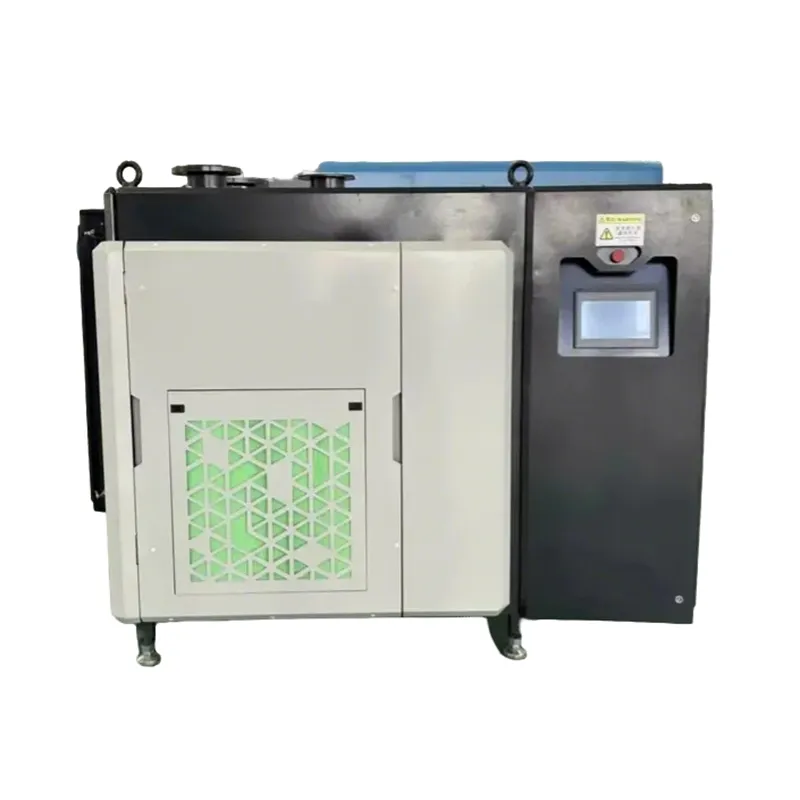
Equipment manufacturers face critical decisions when specifying a rotary vane blower for original equipment manufacturer (OEM) projects. The choice between compression technologies directly impacts system efficiency, reliability, maintenance costs, and long-term project success. A rotary vane blower delivers consistent performance through positive displacement principles, making it essential to understand how this technology aligns with your specific application requirements, operational constraints, and cost targets.
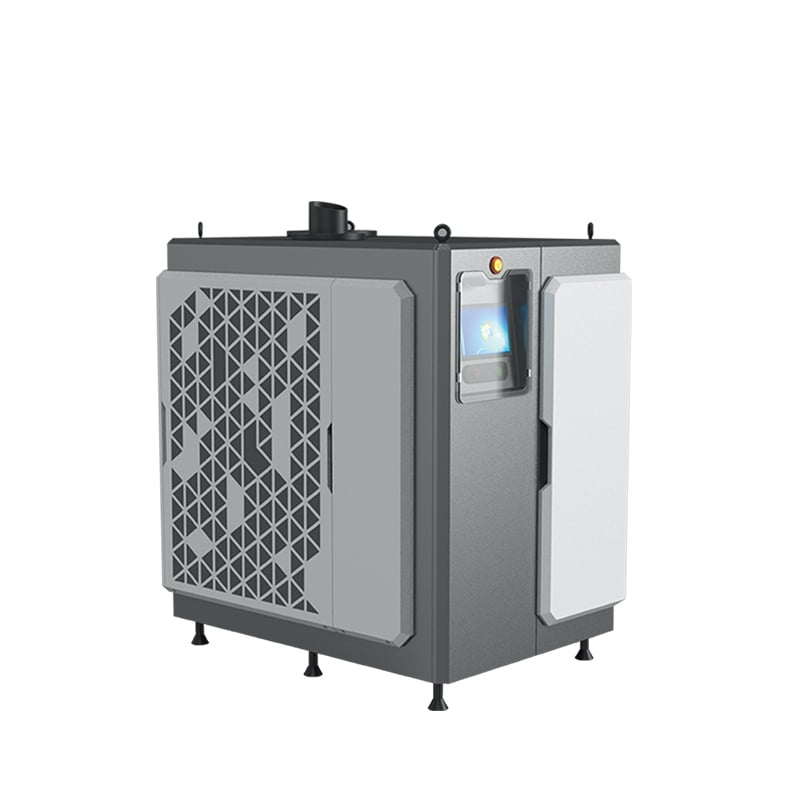
Selecting the right compression solution requires a thorough evaluation of positive displacement blower applications, performance curves, duty cycles, and real-world operating conditions. Equipment designers must balance technical specifications against budget constraints, installation space, noise levels, and regulatory compliance. This guide walks through the decision framework that OEM teams use to identify which rotary vane blower configuration best serves their project scope, from initial concept through production deployment.
Understanding Positive Displacement Blower Applications
Core Operating Principles
Positive displacement blower applications rely on mechanical action to move a fixed volume of fluid with each revolution. Unlike dynamic blowers that accelerate air through impeller rotation, a rotary vane blower traps air between rotating vanes and a fixed housing, compressing it uniformly. This mechanism ensures consistent flow rates regardless of downstream pressure, making positive displacement blower applications ideal for vacuum, low-pressure, and moderate-pressure systems where flow stability matters more than peak pressure capability.
Industry-Specific Use Cases
Positive displacement blower applications span wastewater treatment, pneumatic conveying, aeration, packaging machinery, and industrial vacuum systems. Equipment manufacturers in these sectors depend on steady flow performance to maintain system reliability and product quality. A rotary vane blower delivers predictable compression across varying load conditions, reducing the need for downstream pressure regulators and allowing simpler system design.
Rotary Vane Blower vs Centrifugal Blower Comparison
Performance Characteristics and Pressure Ratings
The rotary vane blower vs centrifugal blower comparison reveals fundamental differences in how each technology handles pressure and flow. Centrifugal blowers generate pressure through impeller acceleration, delivering high volumetric flow at moderate pressure rises; they excel in high-flow, low-pressure applications like air cooling and ventilation. A rotary vane blower, by contrast, generates pressure through mechanical displacement, producing higher pressure at lower flow rates. Equipment manufacturers must assess whether their application demands the flow characteristics of centrifugal technology or the pressure stability of positive displacement design.
Efficiency and Operating Range
When evaluating rotary vane blower vs centrifugal blower comparison metrics, efficiency profiles differ significantly. Centrifugal blowers operate most efficiently within a narrow flow range near design point; off-design operation causes surge, noise, and inefficiency. A rotary vane blower maintains consistent volumetric efficiency across wider operating ranges, making it more forgiving in variable-duty applications. For OEM projects with fluctuating demand, this broad operating envelope reduces the need for multiple units or complex control strategies, lowering system complexity and lifecycle cost.
Installation and Space Considerations
Rotary vane blower design typically requires less floor space than equivalent centrifugal units, offering a practical advantage in compact OEM installations. The mechanical simplicity of positive displacement technology translates to straightforward mounting and piping integration. Equipment manufacturers designing space-constrained systems or mobile equipment often favor the compact rotary vane blower footprint, reducing overall machine envelope and transportation logistics.
Rotary Vane Blower Maintenance and Troubleshooting
Preventive Maintenance Requirements
Effective rotary vane blower maintenance and troubleshooting begins with understanding wear mechanisms and service intervals. Vane materials experience gradual wear as they slide against rotor and housing surfaces, creating internal clearance growth over time. OEM teams should establish oil change schedules, filter replacement cycles, and vane inspection protocols as part of design specifications. Proper lubrication quality directly impacts vane life; many equipment manufacturers specify synthetic oils that extend service intervals and reduce vane wear rates compared to mineral-based products.
Common Issues and Diagnostic Approach
Rotary vane blower maintenance and troubleshooting protocols address performance degradation, unusual noise, and pressure loss scenarios. Flow decline typically signals vane wear or internal leakage; measuring inlet and discharge pressure across rated conditions helps isolate whether wear or external system issues cause performance loss. Temperature rise beyond nameplate specifications may indicate inadequate cooling, bearing wear, or oil degradation. Equipment designers should incorporate accessible drain plugs, visual inspection ports, and pressure/temperature monitoring points to facilitate field diagnostics and support predictable maintenance planning.
Design Decisions Supporting Reliability
OEM projects that prioritize rotary vane blower maintenance and troubleshooting success often incorporate design features that minimize failure risk. Oversizing slightly beyond minimum duty requirements provides wear margin; specifying high-quality bearings and seals reduces unplanned maintenance; including isolation valves allows field service without full system shutdown. These design investments reduce total cost of ownership despite higher initial capital expenditure, creating compelling value propositions for end customers who operate equipment under challenging conditions or extended service cycles.
Selection Criteria for OEM Integration
Matching Technology to Application Demands
Successful rotary vane blower selection begins with precise application mapping. OEM teams must document minimum and maximum flow rates, operating pressure range, inlet and discharge temperatures, air quality requirements, duty cycle patterns, and regulatory compliance needs. A rotary vane blower excels when applications demand consistent volumetric flow across variable pressure conditions; when applications require peak pressure capability beyond positive displacement technology ratings, centrifugal units or staged compression becomes necessary. Matching technology to actual application profile prevents over-specification and unnecessary cost while ensuring reliable performance.
Lifecycle Cost Analysis
Equipment manufacturers evaluating positive displacement blower applications should conduct comprehensive lifecycle cost analysis covering capital cost, installation, maintenance, energy consumption, spare parts availability, and residual value. A rotary vane blower typically demonstrates lower operating costs in variable-duty scenarios due to broad efficiency range and predictable maintenance patterns. Energy consumption analysis should incorporate motor efficiency ratings and part-load performance; oversized centrifugal units operating far below design point consume excessive energy, while correctly sized rotary vane blowers maintain strong efficiency across operating ranges.
FAQ
What are the main advantages of positive displacement blower applications compared to dynamic compression?
Positive displacement blower applications deliver consistent volumetric flow independent of downstream pressure, enabling simpler system control and more predictable performance in variable-duty scenarios. They generate moderate to high pressure efficiently at lower flow rates, operate effectively across broader operating ranges, and require less complex regulation than dynamic blowers that demand careful flow management to avoid surge conditions.
How does the rotary vane blower vs centrifugal blower comparison affect noise and vibration profiles?
Centrifugal blowers typically operate at higher speeds and generate noise through aerodynamic mechanisms, producing characteristic whine and inlet noise patterns. The rotary vane blower vs centrifugal blower comparison in acoustics reveals that rotary vane designs generally produce lower frequency, mechanical noise that acoustic treatment can address more readily, making them preferred for noise-sensitive OEM applications where operator comfort or facility ambient requirements are strict.
What maintenance schedule should equipment manufacturers recommend for rotary vane blower reliability?
Rotary vane blower maintenance and troubleshooting programs typically recommend oil changes every 500 to 1000 operating hours depending on oil type and air filtration quality, intake filter replacement based on differential pressure monitoring, vane inspection at 2000–4000 hour intervals, and bearing condition assessment during planned maintenance events. OEM teams should establish monitoring protocols based on actual application duty cycles and incorporate condition-based triggers for maintenance actions, optimizing intervals between service events.
Table of Contents
- Understanding Positive Displacement Blower Applications
- Rotary Vane Blower vs Centrifugal Blower Comparison
- Rotary Vane Blower Maintenance and Troubleshooting
- Selection Criteria for OEM Integration
-
FAQ
- What are the main advantages of positive displacement blower applications compared to dynamic compression?
- How does the rotary vane blower vs centrifugal blower comparison affect noise and vibration profiles?
- What maintenance schedule should equipment manufacturers recommend for rotary vane blower reliability?