
 EN
EN
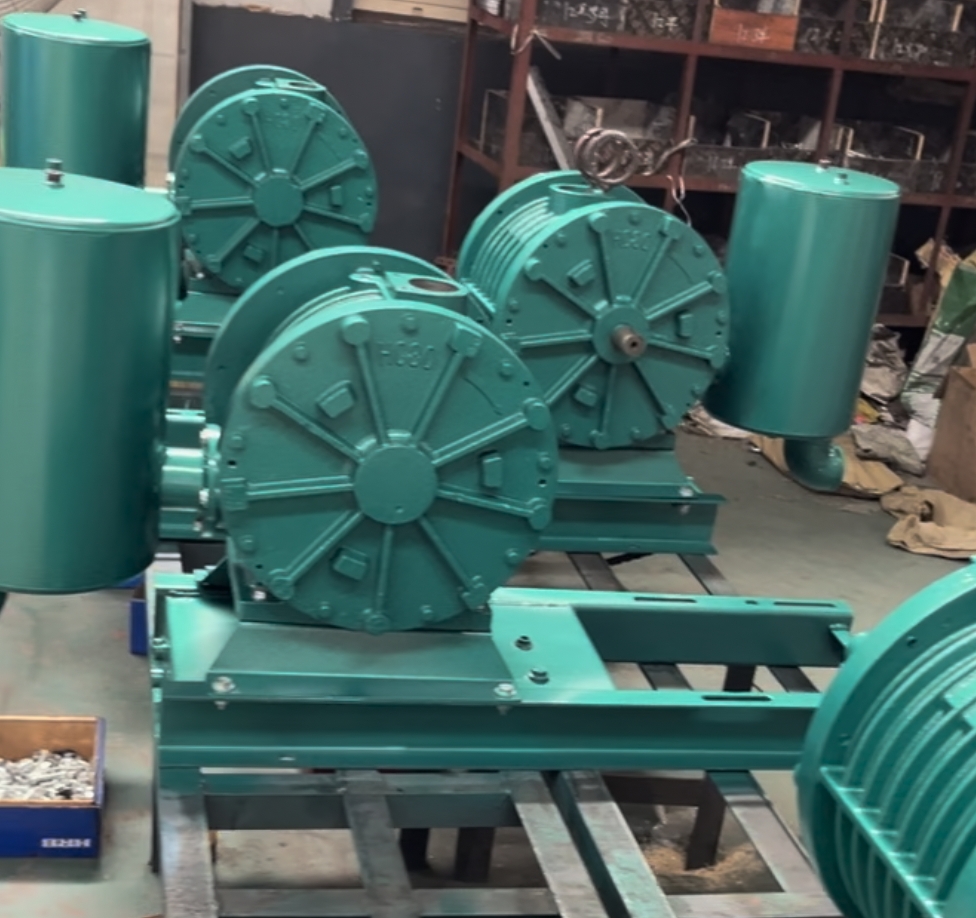
Bulk material conveying systems demand equipment that combines reliability, consistent performance, and the ability to handle demanding industrial environments. Positive displacement blowers have become the standard choice for these applications, and their widespread adoption reflects genuine operational advantages rather than mere convention. These devices provide steady, predictable airflow that moves materials efficiently through conveying lines, regardless of external pressure fluctuations or material variations.
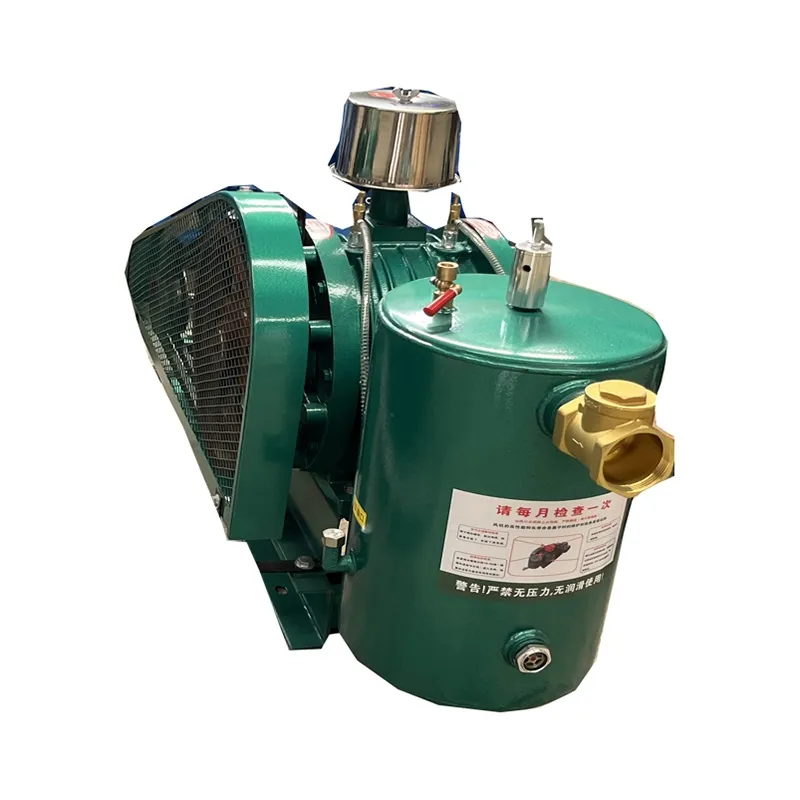
Industrial facilities managing pneumatic conveying face constant pressure to minimize downtime, reduce maintenance costs, and maintain consistent material flow. Positive displacement blowers address these challenges through their fundamental design principle: they trap and move a fixed volume of air with each revolution, ensuring output remains constant regardless of inlet or discharge pressure variations. This mechanical certainty makes them ideal for the unpredictable conditions typical in bulk material handling environments.
How Positive Displacement Blower Systems Deliver Consistent Material Flow
The Mechanical Advantage of Rotary Lobe Design
Rotary lobe blower applications have grown substantially because the internal design creates reliable pressure delivery. Two rotating lobes in a figure-eight chamber trap air and force it toward the discharge port, creating predictable performance curves. Unlike centrifugal alternatives that depend on rotational speed to generate pressure, rotary lobe configurations maintain consistent displacement regardless of operating conditions. This characteristic makes them exceptional for conveying systems where material must move continuously through varying pipe layouts and elevation changes.
Gear driven air blower systems transfer power from an external motor directly to the rotating elements through synchronized gears. This design eliminates belt slippage, ensures precise speed control, and reduces energy waste compared to belt-driven competitors. The mechanical simplicity of gear-driven configurations also means fewer components subject to wear, translating to extended service intervals and lower maintenance overhead for industrial operators.
Pressure Stability in Variable Load Conditions
Material characteristics shift throughout production cycles. Particle size, moisture content, and bulk density fluctuate, creating changing resistance to airflow. Positive displacement blowers maintain pressure output regardless of these material variations, ensuring particles move at consistent velocity through the conveying line. This stability prevents material segregation, bridging, and the surging problems that plague systems relying on pressure-sensitive equipment.
Comparing Performance: Positive Displacement Pump vs Blower in Material Systems
Understanding the Functional Distinctions
The positive displacement pump vs blower distinction matters significantly in material conveying contexts. Pumps typically handle liquids and generate high pressure through reciprocating or rotary displacement, suited for applications demanding precise volume control at constant speeds. Blowers, by contrast, move large volumes of gas at moderate pressures and tolerate pressure variations inherent in conveying systems. Positive displacement blowers occupy this middle ground optimally: they supply the sustained airflow conveying requires without the complexity and maintenance demands of pump-based systems.
Conveying systems benefit from the pressure-tolerant nature of blower technology. When material jams temporarily, pressure spikes occur; centrifugal equipment can stall or surge, while positive displacement devices maintain mechanical output and allow system protection mechanisms to function properly. This resilience under upset conditions prevents cascading failures that disrupt production schedules.
Reliability and Energy Considerations
Industrial buyers increasingly evaluate total cost of ownership rather than capital expense alone. Positive displacement blower systems exhibit superior reliability metrics across operating hours, reducing unplanned downtime that halts material movement and creates production bottlenecks. The consistent mechanical action generates predictable wear patterns, allowing maintenance teams to schedule service proactively rather than responding to unexpected failures. Energy consumption remains stable across operating ranges, supporting budget forecasting and sustainability goals.
Industrial Applications Driving Adoption of Gear Driven Air Blower Systems
Diverse Material Conveying Scenarios
Pharmaceutical manufacturers rely on positive displacement blowers to convey powdered ingredients through enclosed systems while maintaining sterility and preventing material degradation. Cement plants depend on these systems to move fine particles across horizontal distances and up vertical risers without segregation. Food processing facilities use gear driven air blower systems to handle delicate granules and powders that centrifugal equipment would damage through excessive shear. Each application reinforces why these technologies dominate bulk material conveying across industries.
The rotary lobe blower applications extend to chemical handling, mineral processing, and recycling operations where material properties vary unpredictably. Recovery rate improves when conveying systems operate reliably without pressure surges or performance degradation. Facilities managing multiple material types appreciate the consistent performance across different bulk density products without requiring equipment reconfiguration between production runs.
Scalability and Customization Potential
Positive displacement blower systems scale effectively from small laboratory applications to massive industrial production lines. Manufacturers offer displacement sizes spanning wide ranges, allowing buyers to match equipment precisely to volume requirements. This flexibility means customers avoid oversized equipment that wastes energy or undersized systems that create bottlenecks. Customization options for inlet filters, discharge silencers, and mounting configurations enable integration into existing facility layouts without major retrofitting.
FAQ
Why do positive displacement blowers maintain performance better than centrifugal equipment in bulk conveying?
Positive displacement blowers trap and deliver a fixed volume of air with each rotation, independent of pressure fluctuations. Centrifugal equipment relies on rotational speed and relies on continuous pressure feedback, making them sensitive to material variations and system resistance changes. In bulk conveying where material characteristics shift constantly, positive displacement blowers' pressure-independent operation ensures consistent material movement without surging or stalling.
How do gear driven air blower systems compare to belt-driven alternatives?
Gear driven air blower systems transfer power mechanically through synchronized gears, eliminating belt slip and ensuring precise speed control. Belt-driven configurations introduce efficiency losses through friction and creep, particularly when conveying heavy or abrasive materials. Gear-driven designs also reduce component count, simplify maintenance procedures, and extend service intervals by minimizing wear points. Industrial operators generally see lower total operating costs with gear-driven configurations over extended deployment periods.
What makes rotary lobe blower applications so prevalent in modern conveying systems?
Rotary lobe designs generate consistent pressure delivery through their figure-eight chamber geometry, trapping and moving discrete air volumes predictably. This mechanical principle makes them adaptable to diverse materials and system configurations without requiring recalibration. Their proven track record across pharmaceutical, cement, food, and chemical industries has established industry standards, making spare parts readily available and technician training widespread. The combination of reliability, availability, and proven performance explains their dominance in bulk material conveying.