
 EN
EN
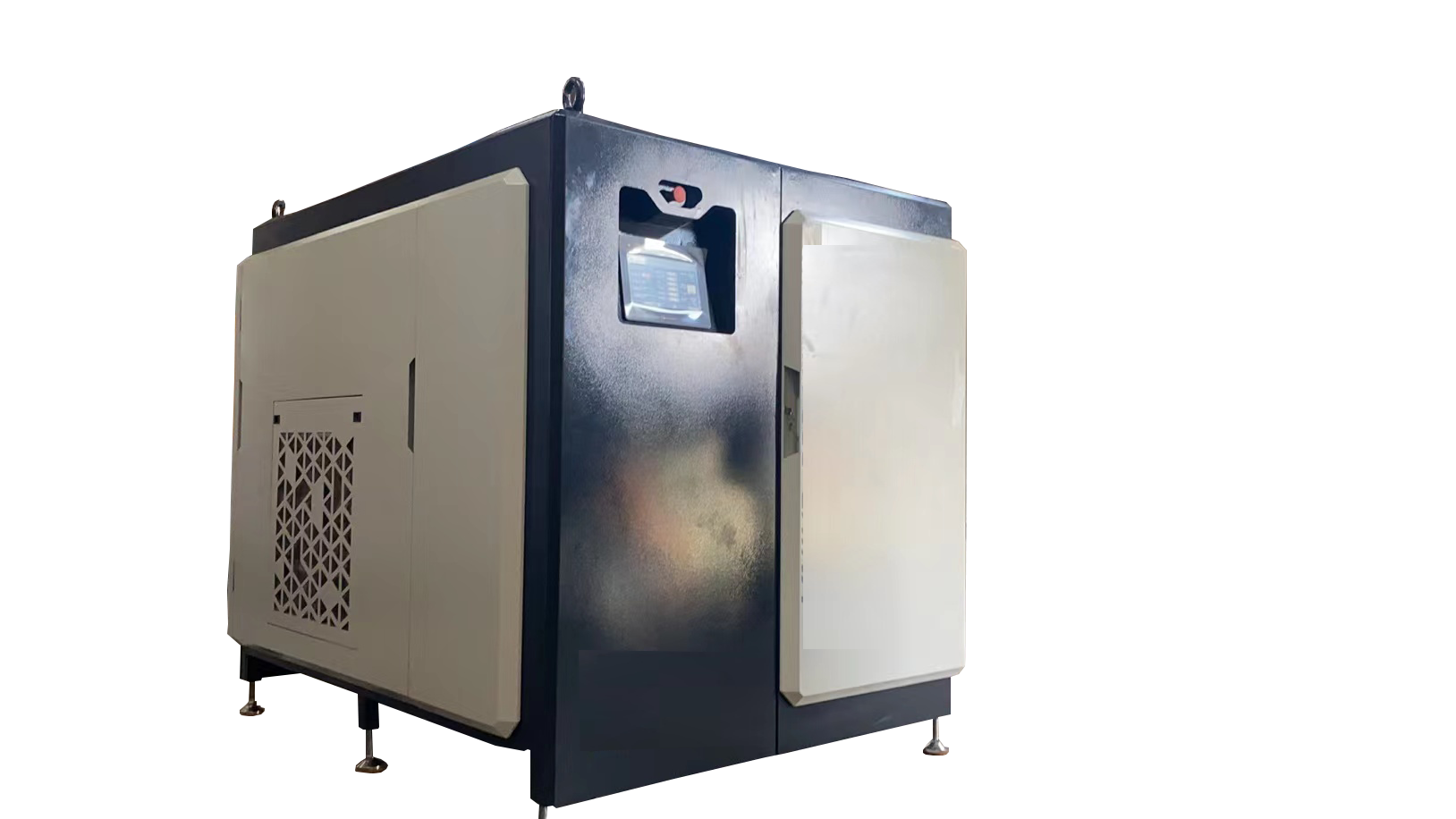
Equipment downtime represents one of the most costly challenges in industrial operations, and the reliability of air handling systems directly impacts production continuity. A magnetic levitation blower fundamentally transforms how facilities approach equipment durability by eliminating traditional mechanical wear mechanisms that degrade conventional blowers over time. Unlike standard designs relying on rolling element bearings, this technology uses active electromagnetic suspension to keep rotating components suspended without physical contact, dramatically extending service life and reducing unexpected failures.
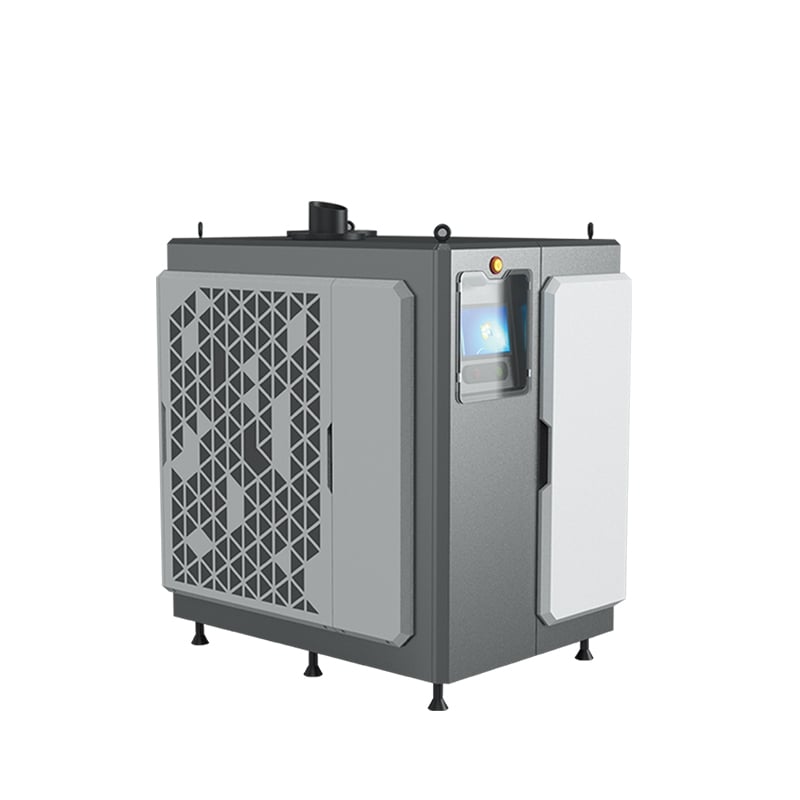
The long-term reliability advantage of magnetic levitation blower systems stems from a fundamental shift in how bearing loads are managed. Traditional mechanical bearings gradually lose precision as rolling elements wear under continuous stress, generating vibration that propagates through connected equipment and accelerates degradation across entire HVAC systems. Magnetic suspension eliminates this wear progression entirely, maintaining consistent performance characteristics throughout the blower's operational life without the cyclical maintenance interventions that plague conventional air handling equipment.
How Contactless Bearing Technology Eliminates Mechanical Wear
The Physics of Suspension Without Contact
Contactless bearing technology for fans operates through active electromagnetic force balancing, where computer-controlled electromagnets continuously adjust power to maintain precise rotor positioning. This real-time suspension eliminates the friction, heat generation, and mechanical degradation inherent to rolling element bearings. The rotor never physically touches stationary components, meaning no wear debris forms, no lubricant breaks down, and no bearing preload changes occur over months or years of operation. This fundamental difference explains why facilities switching to magnetic levitation blower designs report dramatic reductions in bearing-related failures and maintenance emergencies.
The absence of physical contact also prevents the stress concentration that shortens bearing life in conventional designs. Traditional rolling element bearings experience peak stresses at discrete contact points where balls or rollers meet races, creating microscopic deformations that accumulate into fatigue spalling and eventual failure. Electromagnetic suspension distributes suspension forces across larger rotor surfaces, reducing localized stress intensity and extending the theoretical service life from typical bearing lifespans of 40,000 to 100,000 hours toward operating periods exceeding 150,000 hours in properly maintained systems.
Vibration Elimination and System-Wide Benefits
Vibration free air handling equipment represents another critical reliability advantage that extends beyond the blower itself. Traditional designs generate vibration as rolling elements move through bearing races, creating rhythmic forces that transmit throughout ductwork, supports, and connected equipment. These vibrations cause fastener loosening, seal degradation, bearing misalignment in adjacent machinery, and acoustic noise that indicates imminent problems to facility staff. By contrast, vibration free air handling equipment suspends the rotor magnetically with virtually no impulsive forces, reducing structural stress on mounting hardware and connected systems while operating so quietly that audible noise barely exceeds 65 decibels even at high flow rates.
Energy Efficient HVAC Systems with Magnetic Suspension
Reduced Mechanical Losses and Operating Efficiency
Energy efficient HVAC systems with magnetic suspension consume substantially less power than conventional designs because friction losses are minimized throughout the operating envelope. Standard rolling element bearings generate friction torque that consumes 3 to 8 percent of input motor power, converting useful energy into waste heat that must then be managed through additional cooling capacity. Magnetic suspension replaces this frictional loss with minimal electromagnetic force adjustment, typically requiring only 1 to 2 percent of input power to maintain rotor positioning. For a 100-kilowatt HVAC system operating continuously, this efficiency improvement translates to 2,000 to 7,000 additional kilowatt-hours annually that perform useful work rather than generating heat.
The reliability advantage compounds because energy efficient HVAC systems with magnetic suspension run cooler, reducing thermal stress on motor windings, seals, and electronics. Conventional blowers experience bearing friction temperatures exceeding 80 degrees Celsius even under normal operation, accelerating lubricant degradation and insulation breakdown in nearby electrical components. Magnetic levitation blower designs maintain bearing zones near ambient temperature, extending the life of protective seals, electronic controllers, and motor insulation by years compared to traditional equipment.
Consistent Performance Throughout Equipment Lifetime
Energy efficient HVAC systems with magnetic suspension maintain rated performance characteristics throughout their operational life because no bearing wear alters rotor clearances or introduces mechanical slop. Traditional systems gradually develop internal clearances as bearings wear, changing blade-to-housing gaps and reducing aerodynamic efficiency. This performance degradation forces facilities to increase motor speed to maintain design airflow, consuming additional power and accelerating bearing wear in a negative feedback cycle. Magnetic suspension eliminates this cycle by maintaining fixed rotor positioning with micrometer-level precision indefinitely, ensuring the blower delivers identical airflow at identical power consumption in year five of operation as it did at installation.
Reliability Advantages Across Industrial Applications
Predictable Service Life and Maintenance Planning
The magnetic levitation blower technology enables maintenance teams to plan equipment replacements on predetermined schedules rather than responding to unexpected failures. Conventional blowers fail when bearing fatigue reaches critical points, often occurring during peak operating seasons when replacement equipment is unavailable and downtime costs are highest. Maintenance intervals for magnetic suspension equipment depend on seal replacement cycles and motor insulation life rather than bearing degradation, allowing facilities to schedule replacement during planned maintenance windows when spare capacity exists and costs are minimized. This predictability improvement reduces emergency repairs, eliminates expedited procurement expenses, and prevents production disruptions that conventional equipment cannot prevent.
Reduced Indirect Costs Beyond Direct Maintenance
Vibration free air handling equipment extends reliability benefits beyond the blower unit itself by reducing secondary failures in connected systems. Conventional blower vibration causes bearing misalignment in driven equipment, premature seal failure in connected ductwork, and fastener loosening throughout mechanical systems. These cascading failures create compound maintenance costs that often exceed the cost of the primary blower replacement. Magnetic suspension eliminates vibration transmission, preventing secondary failures and reducing total cost of equipment ownership by 25 to 40 percent across multi-year operational periods in high-utilization facilities.
FAQ
How does magnetic levitation blower technology maintain reliability compared to sealed bearing designs?
Magnetic levitation blower systems use active electromagnetic suspension to eliminate mechanical wear entirely, whereas sealed bearing designs still experience rolling element fatigue and friction losses that gradually degrade performance over time. The absence of physical contact in magnetic suspension designs prevents the microscopic wear that eventually causes sealed bearing failures, extending service life from 80,000 to 100,000 hours typical of sealed bearings toward 150,000 to 200,000 hours for properly maintained magnetic suspension systems. Additionally, sealed bearings gradually increase power consumption as bearing friction increases with wear, while magnetic suspension maintains consistent energy efficiency throughout operational life.
What maintenance does vibration free air handling equipment require compared to conventional blowers?
Vibration free air handling equipment eliminates bearing lubrication, bearing replacement, and bearing inspection procedures required for conventional designs, reducing routine maintenance to seal replacement, controller diagnostics, and motor insulation testing. Magnetic suspension systems require calibration checks every 12 to 24 months rather than bearing inspections every 6 to 12 months, and seals typically last 80,000 to 100,000 operating hours compared to 40,000 to 60,000 hours for conventional equipment. This maintenance simplification reduces labor costs and allows smaller maintenance teams to support more equipment without expanding staffing levels.
Can energy efficient HVAC systems with magnetic suspension justify higher initial costs through operational savings?
Energy efficient HVAC systems with magnetic suspension typically command initial equipment costs 15 to 25 percent higher than sealed bearing designs, but justify this premium through combined energy savings and maintenance reduction within 3 to 5 years for continuously operated equipment. A magnetic suspension system consuming 2 to 5 percent less power than conventional equipment saves 1,500 to 3,500 dollars annually in electrical costs for typical industrial installations, while eliminating emergency bearing replacements and reducing routine maintenance labor by 30 to 40 percent. Facilities planning equipment replacement on 10 to 15 year cycles realize total cost of ownership savings of 35 to 50 percent by switching to magnetic levitation blower technology.
Table of Contents
- How Contactless Bearing Technology Eliminates Mechanical Wear
- Energy Efficient HVAC Systems with Magnetic Suspension
- Reliability Advantages Across Industrial Applications
-
FAQ
- How does magnetic levitation blower technology maintain reliability compared to sealed bearing designs?
- What maintenance does vibration free air handling equipment require compared to conventional blowers?
- Can energy efficient HVAC systems with magnetic suspension justify higher initial costs through operational savings?