
 EN
EN
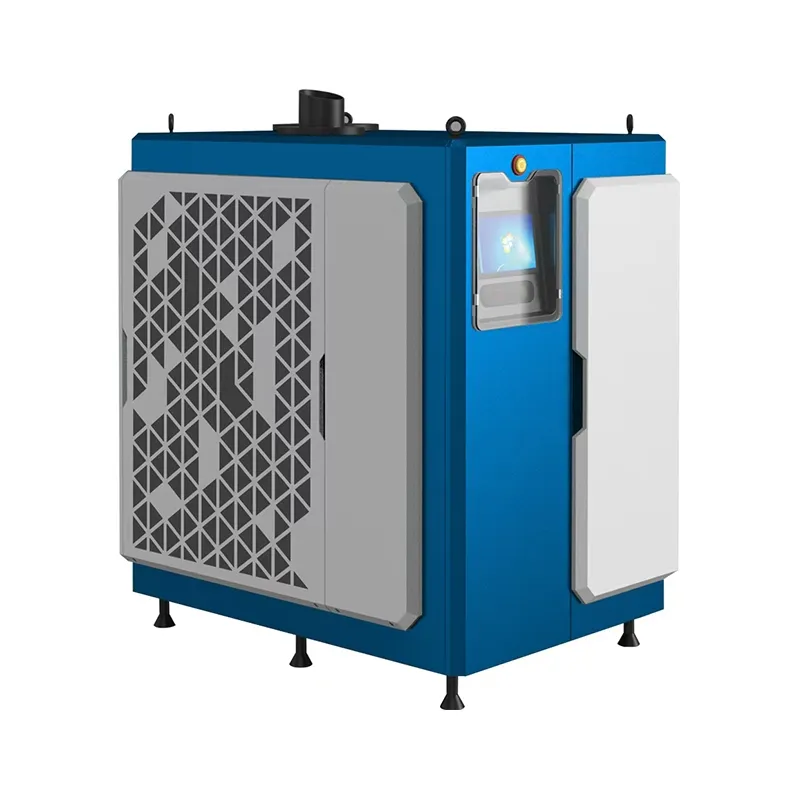
Selecting the right magnetic levitation blower requires understanding multiple technical and operational factors that directly impact facility performance and long-term costs. Unlike conventional blowers with mechanical bearings, a magnetic levitation blower uses contactless bearing technology for pumps to eliminate friction, reduce maintenance, and extend equipment lifespan. This fundamental difference shapes every procurement decision, from initial specifications to total cost of ownership analysis.
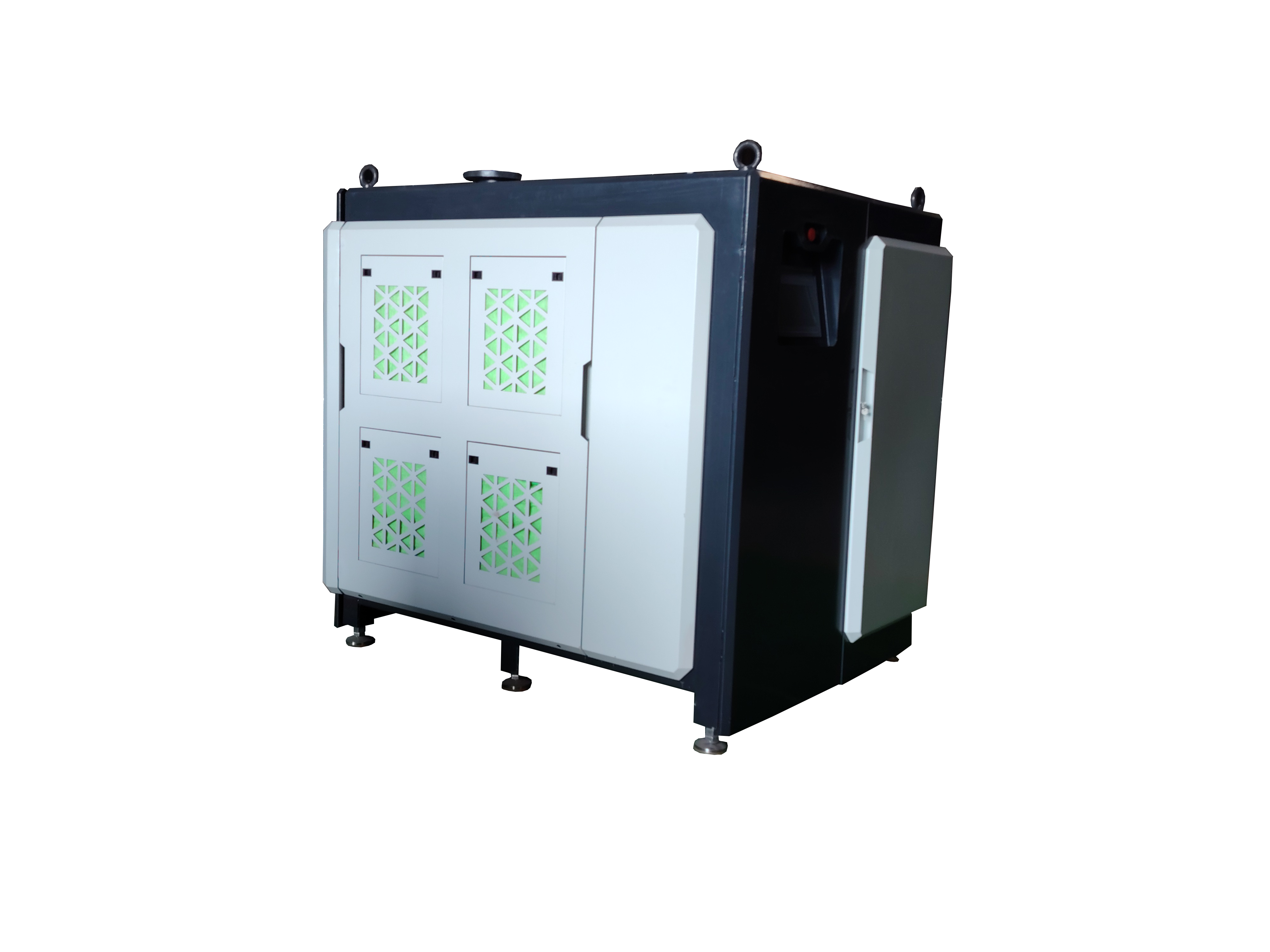
Procurement professionals must evaluate how contactless bearing technology for pumps aligns with operational requirements, regulatory compliance, and facility infrastructure. Energy efficient HVAC cooling systems represent a growing priority in industrial procurement, and magnetic suspension technology delivers measurable efficiency gains by eliminating bearing drag and heat losses. Understanding these procurement factors early prevents costly specification mismatches and ensures the selected equipment meets both immediate operational needs and long-term strategic objectives.
Energy Efficiency and Operating Cost Impact
Power Consumption Reduction Through Contactless Design
Energy efficient HVAC cooling systems depend heavily on fan efficiency, and magnetic levitation blower technology reduces power consumption by removing mechanical friction inherent in traditional bearings. The contactless bearing technology for pumps eliminates seal drag, lubrication losses, and bearing wear, creating measurable energy savings across thousands of operating hours. Procurement teams should request certified efficiency ratings and conduct lifecycle cost analysis comparing magnetic suspension units against conventional alternatives at comparable duty points.
When evaluating energy efficient HVAC cooling systems, examine the motor efficiency ratings, power factor, and expected annual electricity consumption under typical operating profiles. Calculate payback periods by comparing the energy savings premium against the initial equipment cost difference. Many facilities discover that higher upfront investment in a magnetic levitation blower recovers within two to four years through reduced energy expenses, particularly in continuous-duty applications.
Maintenance Cost Reduction and Downtime Prevention
Conventional blowers require regular bearing maintenance, lubrication changes, and seal replacements that create both direct costs and unplanned downtime. A magnetic levitation blower operates without contact between rotating and stationary components, eliminating most wear-dependent maintenance tasks. Procurement specifications should emphasize expected service intervals, bearing-related component availability, and warranty coverage on the magnetic suspension system to quantify true maintenance cost differences.
Vibration Performance and Operational Reliability
Vibration-Free Industrial Fan Applications in Sensitive Environments
Vibration-free industrial fan applications matter most in precision manufacturing, data centers, laboratories, and healthcare facilities where equipment vibration causes product defects, interferes with measurements, or compromises environmental controls. Magnetic levitation blower technology achieves vibration-free performance by suspending the rotor magnetically without physical contact, eliminating impact forces present in bearing-type fans. Procurement teams should specify allowable vibration limits in equipment purchase specifications and request vibration testing data from suppliers.
The magnetic suspension system maintains rotor balance automatically by adjusting suspension force in real-time, preventing the vibration amplification that occurs during bearing wear in conventional units. Applications requiring vibration-free industrial fan applications benefit from improved product consistency, reduced facility noise, and extended life of connected equipment. Facilities with existing vibration-sensitive processes should prioritize magnetic levitation blower procurement to prevent costly production interruptions.
Acoustic Performance and Facility Compliance
Lower vibration directly translates to quieter operation, an advantage in facilities subject to noise regulations or worker exposure limits. Vibration-free industrial fan applications reduce structure-borne noise transmission through piping and ductwork systems, allowing installation of equipment closer to occupied spaces without acoustic treatment. Procurement specifications should include sound pressure level measurements at standard distances and confirm compatibility with facility noise ordinances.
Technical Specification and Integration Requirements
Contactless Bearing Technology for Pumps and System Compatibility
Contactless bearing technology for pumps represents a significant departure from conventional mechanical bearing designs, requiring careful evaluation of system integration points. The magnetic levitation blower requires precise electrical control systems to maintain suspension stability across varying load conditions and temperature ranges. Procurement teams must verify that existing facility power systems, control interfaces, and environmental conditions support the magnetic suspension technology without modification.
Evaluate whether the magnetic levitation blower can integrate with existing HVAC controls, DCS systems, and monitoring infrastructure. Confirm that electrical power quality meets specifications, particularly harmonic distortion limits and voltage stability requirements. Review manufacturer documentation for environmental operating ranges, altitude limitations, and electromagnetic compatibility concerns relevant to the installation facility.
Performance Specifications and Application Fit
Specify precise flow rate, pressure, and power requirements based on actual operating conditions rather than theoretical maximum ratings. A magnetic levitation blower selected at higher capacity than needed wastes energy and increases equipment costs unnecessarily. Request performance curves showing efficiency across the expected operating range and confirm that the unit operates near peak efficiency during normal facility operation, not merely at design point.
Consider future operational flexibility when specifying the magnetic levitation blower, as facility requirements often change over equipment lifetime. Modular designs or units with variable-speed capability provide adaptability to future modifications without complete equipment replacement. Confirm that performance specifications include guaranteed minimum efficiency levels and hold suppliers accountable through performance testing during commissioning.
Supplier Evaluation and Risk Management
Technology Maturity and Supplier Experience
Magnetic levitation blower technology continues advancing, and procurement success depends on selecting suppliers with proven track records in similar applications. Request case studies from comparable facilities, including specific applications, installation dates, and operational history data. Verify that suppliers maintain adequate technical support infrastructure, stock critical spare parts, and provide training for facility personnel familiar with conventional equipment.
Warranty, Support, and Lifecycle Considerations
Procurement agreements should specify comprehensive warranty coverage for the magnetic suspension system, including both component replacement and repair labor. Establish clear escalation procedures for technical issues and confirm response time commitments for critical failures. Evaluate supplier willingness to provide extended service plans, preventive maintenance programs, and upgrade pathways as technology evolves.
FAQ
What makes a magnetic levitation blower different from conventional blowers in procurement decisions?
A magnetic levitation blower eliminates mechanical bearings entirely by using contactless bearing technology for pumps to suspend the rotor magnetically. This fundamental difference reduces maintenance requirements, improves energy efficiency, and eliminates vibration compared to conventional designs. Procurement teams must evaluate integration requirements, control system compatibility, and total cost of ownership differently than traditional equipment purchases, but the operational benefits often justify the initial investment through lower operating costs and reduced downtime.
How does energy efficient HVAC cooling systems performance compare between magnetic and conventional blowers?
Energy efficient HVAC cooling systems using magnetic levitation blower technology consume 10 to 20 percent less power than comparable conventional units by eliminating bearing friction and heat losses. The exact savings depend on duty cycle, operating hours, and system configuration, making lifecycle analysis essential for procurement decisions. Facilities operating continuous-duty applications see the greatest energy savings, often recovering equipment cost premium within two to four years.
Why does vibration-free industrial fan applications matter in procurement specifications?
Vibration-free industrial fan applications prevent product defects, improve measurement accuracy, and extend equipment lifespan in sensitive environments. Magnetic levitation blower technology achieves vibration-free performance automatically through real-time magnetic suspension adjustment, unlike bearing units that generate increasing vibration as components wear. Facilities with precision processes, manufacturing requirements, or noise-sensitive locations should prioritize vibration-free equipment in procurement specifications to prevent costly production interruptions and environmental compliance violations.
Table of Contents
- Energy Efficiency and Operating Cost Impact
- Vibration Performance and Operational Reliability
- Technical Specification and Integration Requirements
- Supplier Evaluation and Risk Management
-
FAQ
- What makes a magnetic levitation blower different from conventional blowers in procurement decisions?
- How does energy efficient HVAC cooling systems performance compare between magnetic and conventional blowers?
- Why does vibration-free industrial fan applications matter in procurement specifications?