
 EN
EN
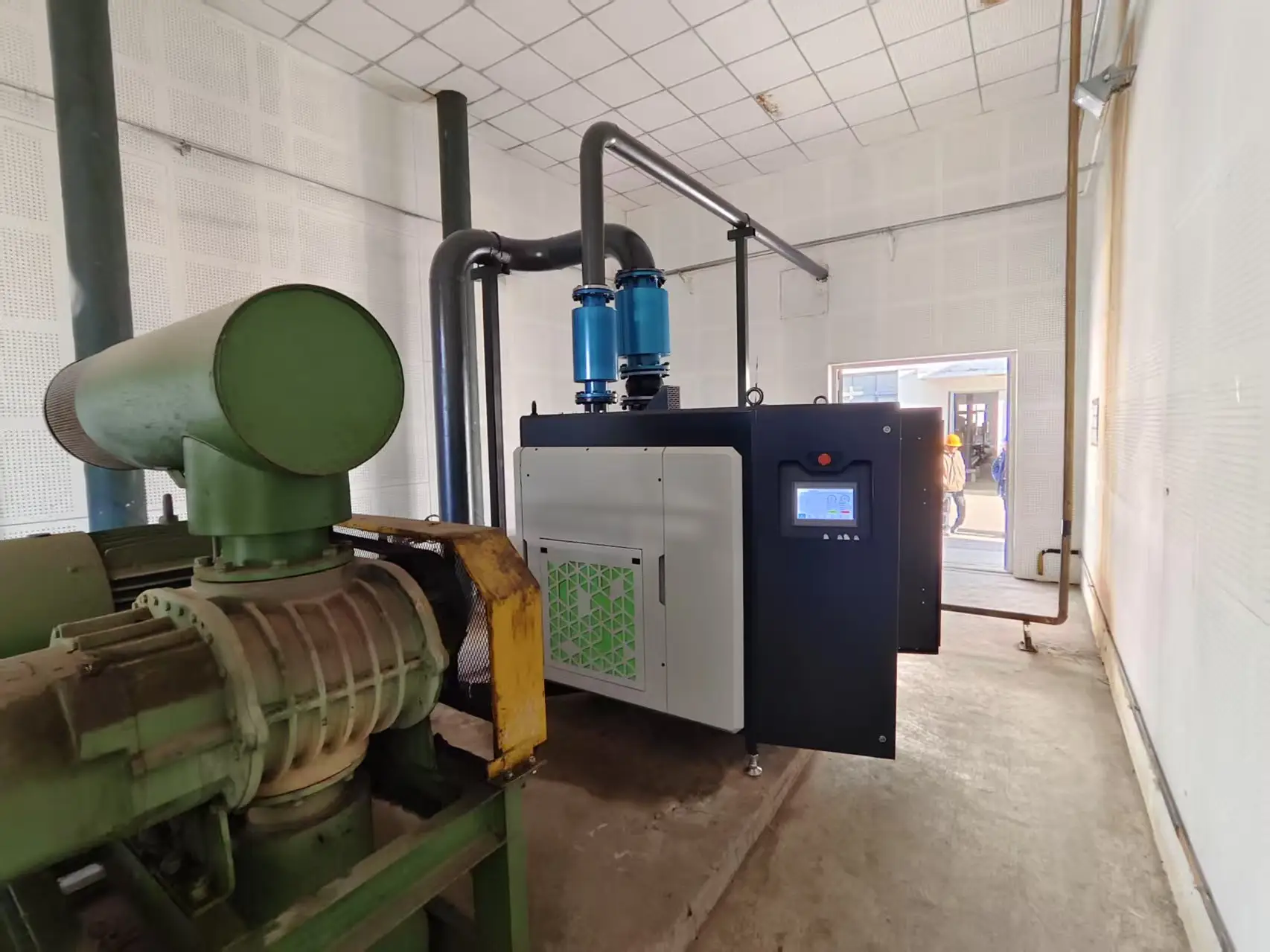
In demanding industrial environments where equipment operates around the clock, the choice of air circulation technology can mean the difference between sustained productivity and costly downtime. A magnetic levitation blower represents a transformative advancement that directly addresses the rigorous demands of continuous industrial applications. Unlike traditional fan systems that rely on mechanical bearings prone to wear, friction, and eventual failure, this contactless air circulation technology operates without physical contact between rotating and stationary components, fundamentally changing how industries approach reliability and operational efficiency.
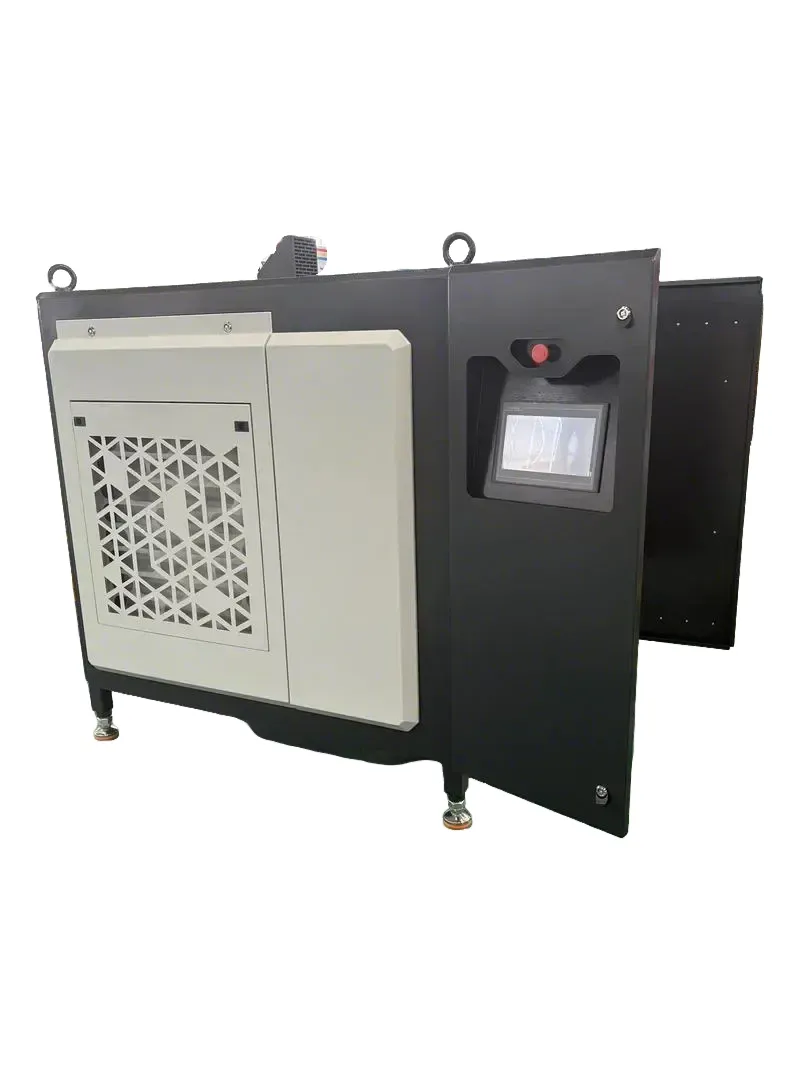
The fundamental reason magnetic bearing blower applications have gained prominence in industrial sectors is their superior performance under continuous operation. Traditional centrifugal fans experience predictable degradation from bearing friction, lubrication breakdown, and mechanical wear that accumulates over thousands of operating hours. Frictionless centrifugal fan systems eliminate these failure mechanisms entirely, allowing operations to maintain consistent performance and reliability over extended periods without the burden of frequent maintenance interventions.
Elimination of Mechanical Wear and Extended Service Life
Contactless Design Removes Friction-Related Failures
The core advantage of contactless air circulation technology lies in its complete elimination of bearing friction. In conventional fan designs, metal-to-metal contact between rotating shafts and fixed bearings generates continuous friction that generates heat, consumes energy, and progressively degrades bearing materials. This process accelerates during sustained continuous operation when equipment runs without interruption. A frictionless centrifugal fan system suspends the rotor magnetically, allowing it to operate without any mechanical contact whatsoever. This fundamental design difference extends service intervals dramatically, reduces unplanned maintenance events, and lowers the total cost of ownership over the equipment's operational lifetime.
Operational Longevity in Round-the-Clock Environments
Manufacturing facilities, data centers, chemical processing plants, and healthcare facilities cannot tolerate equipment failures that interrupt production or compromise critical services. Magnetic bearing blower applications excel precisely in these scenarios because they maintain consistent performance characteristics throughout their operational life. Without bearing wear mechanisms at play, a magnetic levitation blower sustains stable airflow, pressure, and energy efficiency metrics day after day, month after month. Industries relying on continuous operation find this reliability invaluable because it translates directly into predictable production schedules and reduced emergency repair costs that would otherwise disrupt operations and revenue.
Energy Efficiency and Reduced Operating Costs
Friction Reduction Directly Lowers Power Consumption
Bearing friction in traditional fans consumes a measurable portion of input energy, converting electrical power into waste heat rather than useful airflow. This energy loss becomes particularly significant during continuous operation where equipment runs thousands of hours annually. Contactless air circulation technology eliminates this friction penalty, allowing the magnetic levitation blower to convert a higher percentage of electrical input into productive air movement. Over a year of continuous operation, the cumulative energy savings from reduced friction losses can offset a substantial portion of the equipment's capital cost. Industries with high electricity costs or sustainability commitments find this efficiency gain especially compelling because it reduces operational expenses while simultaneously lowering carbon footprint associated with power consumption.
Thermal Stability and Cooling Requirements
Traditional bearing systems generate waste heat through friction, requiring additional cooling infrastructure to maintain safe operating temperatures. A frictionless centrifugal fan system produces significantly less internal heat, reducing thermal stress on surrounding equipment and ambient facility conditions. This thermal stability translates into lower cooling requirements, reduced air conditioning load, and extended equipment life for components surrounding the fan installation. Manufacturing facilities and enclosed industrial spaces particularly benefit from this characteristic because lower ambient temperatures improve worker comfort, reduce heat-related equipment stress, and create more stable process conditions for temperature-sensitive operations.
Superior Reliability and Reduced Maintenance Burden
Predictable Performance Without Degradation
Continuous industrial applications demand equipment that performs consistently without progressive degradation. Magnetic bearing blower applications deliver this consistency because the underlying suspension mechanism remains stable throughout the equipment's operational life. Unlike traditional fans where bearing clearances gradually increase and lubrication gradually breaks down, a magnetic levitation blower maintains precise rotor positioning and consistent performance characteristics. This predictability enables facilities managers to plan maintenance schedules based on calendar time rather than performance degradation, simplifying operational planning and reducing emergency repair incidents that could compromise production continuity.
Minimized Maintenance Interventions and Associated Downtime
Traditional fan systems require periodic bearing lubrication, occasional bearing replacement, and routine maintenance checks to prevent unexpected failures. These maintenance activities require equipment shutdown, which creates operational disruptions in continuous industrial applications. A contactless air circulation technology substantially reduces or eliminates these maintenance requirements because the magnetic bearing blower operates without lubrication needs or wearing components that require periodic replacement. This dramatic reduction in maintenance burden allows industrial operations to allocate maintenance resources to other critical equipment, reduce unplanned downtime events, and extend planning horizons for facility operations without the constant threat of fan-related failures interrupting production schedules.
Industrial Suitability and Application Scenarios
Performance in Demanding Continuous Operation Environments
Semiconductor manufacturing, pharmaceutical production, food processing, and data center operations exemplify continuous industrial applications where frictionless centrifugal fan systems prove indispensable. These facilities operate air handling and process cooling equipment continuously, often for weeks or months without shutdown cycles. Magnetic levitation blower technology ensures that air circulation remains consistent and reliable throughout these extended operating periods, preventing performance degradation that would compromise product quality, process conditions, or environmental control parameters. The reliability advantage becomes increasingly valuable as operational periods extend, making this contactless air circulation technology particularly suitable for industries where process continuity directly impacts financial performance and product integrity.
Scalability and Integration into Modern Industrial Systems
Modern industrial facilities demand equipment that integrates seamlessly with automated control systems, monitoring infrastructure, and predictive maintenance frameworks. Magnetic bearing blower applications support these requirements through their stable, predictable performance characteristics and minimal maintenance variability. A magnetic levitation blower operates reliably within automated systems because its performance remains consistent and predictable, eliminating the performance variability that traditional fans introduce during bearing wear cycles. This compatibility with modern industrial automation frameworks makes frictionless centrifugal fan systems ideal for facilities implementing Industry 4.0 principles where equipment reliability and predictable performance directly enable data-driven optimization and continuous process improvement initiatives.
FAQ
What makes contactless air circulation technology superior to traditional fan bearings?
Contactless air circulation technology eliminates physical contact between rotating and stationary components, removing friction-related wear, lubrication requirements, and the progressive performance degradation that occurs in traditional bearing systems. A magnetic levitation blower suspends the rotor magnetically, allowing it to operate without mechanical wear mechanisms that accumulate during continuous operation. This fundamental design difference extends equipment life, reduces maintenance burden, and improves energy efficiency compared to conventional frictionless centrifugal fan systems that still rely on mechanical bearing contact.
How do magnetic bearing blower applications reduce total operating costs?
Magnetic bearing blower applications reduce operating costs through multiple mechanisms: reduced energy consumption from eliminated friction losses, minimal maintenance requirements eliminating lubrication and bearing replacement expenses, extended equipment life reducing capital replacement frequency, and reduced cooling infrastructure needs from lower waste heat generation. When calculated over the equipment's operational lifetime, these cost reductions often exceed the initial capital premium of magnetic levitation blower technology, making it economically advantageous for continuous industrial applications where equipment runs thousands of hours annually.
Which industrial applications benefit most from frictionless centrifugal fan systems?
Industries operating continuous processes where equipment reliability directly impacts production revenue benefit most from frictionless centrifugal fan systems. Semiconductor manufacturing, pharmaceutical production, data center operations, chemical processing, and healthcare facilities exemplify environments where a magnetic levitation blower excels. These facilities require equipment that maintains consistent performance without interruption, making the superior reliability and reduced maintenance requirements of contactless air circulation technology particularly valuable compared to traditional bearing-based fan systems.