 EN
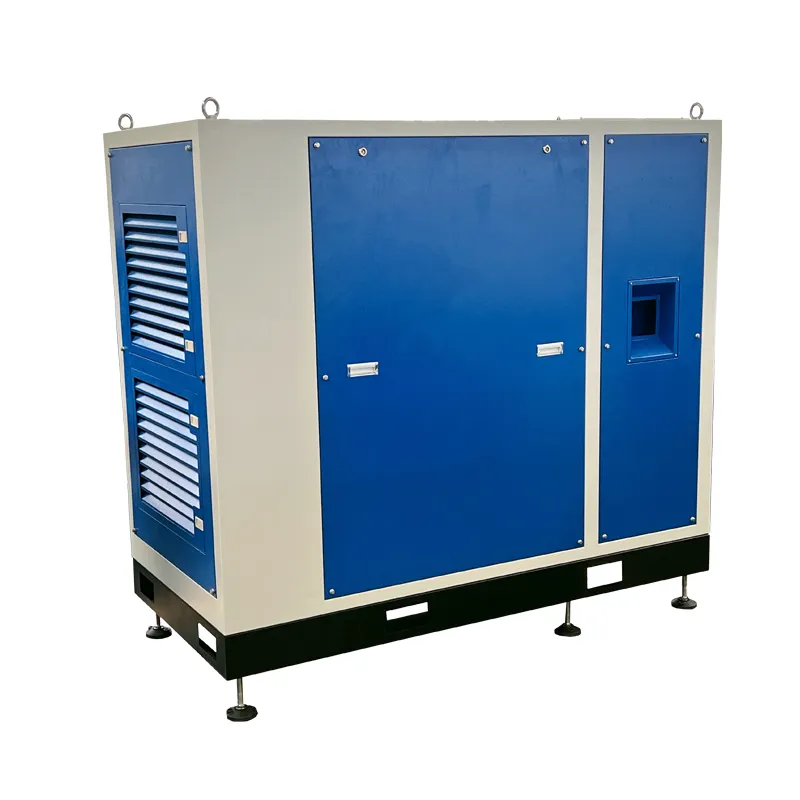
Upgrading to an air suspension blower represents a significant capital decision for plant operations managers. Before committing resources to this upgrade, operators must carefully assess technical compatibility, operational impact, cost-benefit alignment, and long-term maintenance requirements. This decision affects system reliability, energy efficiency, workforce safety, and production continuity across your facility.
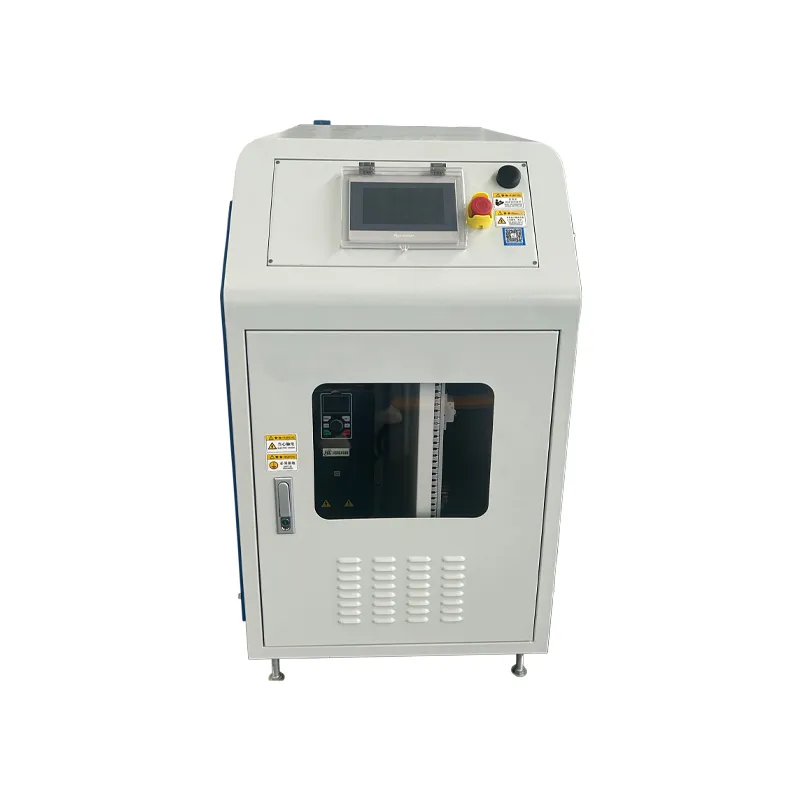
The transition to modern pneumatic suspension leveling technology has become increasingly common in industrial settings seeking enhanced system performance and operator comfort. Understanding what makes an upgrade worthwhile requires examining your current equipment baseline, identifying operational pain points, and validating that new technology directly addresses those constraints. This guide walks plant operators through the essential evaluation framework before making this substantial infrastructure investment.
Assessing Your Current System Performance Gaps
The first step toward an informed upgrade decision involves honest evaluation of your existing blower system's current limitations. Document specific operational problems you experience regularly: pressure inconsistencies, noise levels exceeding acceptable thresholds, energy consumption trends rising unexpectedly, or maintenance frequency increasing over time. These concrete data points provide the foundation for determining whether an air suspension blower upgrade genuinely solves real problems or represents unnecessary spending.
Identifying Current Efficiency and Reliability Issues
Operators should measure baseline performance metrics for comparison against proposed equipment specifications. Track actual energy consumption monthly, record maintenance service calls and associated downtime hours, and document pressure fluctuations during peak production periods. If your pneumatic suspension leveling currently relies on older pump technology, you may experience pressure drops that force cycle delays or produce quality inconsistencies. An air spring compressor system upgrade could stabilize these variables, but only quantified evidence justifies the capital outlay.
Calculate your current cost of ownership by combining energy expenses, scheduled maintenance costs, unplanned repair expenses, and production losses from equipment downtime. This becomes your benchmark against the projected benefits of an air suspension pump replacement. Many plants discover their existing systems cost significantly more to operate than newer alternatives when accounting for all hidden inefficiencies.
Evaluating Operational Constraints and Safety Factors
Operator comfort and workplace safety must factor prominently into any upgrade decision. If your current air spring compressor system generates excessive vibration or noise that fatigues operators or approaches OSHA sound level limits, these represent legitimate business justifications for upgrading. Elevated noise levels typically correlate with mechanical wear and reduced energy efficiency, making newer pneumatic suspension leveling equipment both more humane and more economical to operate.
Technical Compatibility and Integration Requirements
Before selecting a specific air suspension blower model, conduct thorough compatibility analysis against your existing infrastructure. Newer equipment may require different connection specifications, different electrical supply requirements, or different pressure ratings than legacy systems. Incompatibility typically means expensive modification work that wasn't budgeted, causing upgrade projects to exceed cost projections significantly.
Pressure Rating and System Architecture Alignment
The pressure specifications of your air suspension pump replacement candidate must align precisely with downstream applications and equipment design standards. If your production processes depend on specific pressure ranges, and a new air spring compressor system operates outside those ranges, you may face quality degradation or equipment damage despite the upgrade. Consult your production engineering team and equipment manufacturers to confirm that proposed pneumatic suspension leveling technology produces the exact pressure characteristics your processes require.
Examine whether the air suspension blower connects to existing piping infrastructure or requires new installation. Retrofit scenarios demand additional materials, labor, and production interruption time. Greenfield installations may justify higher-specification equipment since implementation costs already factor in comprehensive system redesign.
Electrical and Control System Integration
Modern air spring compressor systems often incorporate advanced control features and automation capabilities that older equipment cannot match. However, integrating new pneumatic suspension leveling technology with legacy industrial automation systems sometimes creates compatibility challenges. Verify that your facility's electrical infrastructure can support the new air suspension pump replacement without requiring expensive panel upgrades or facility rewiring.
Assess whether your plant's maintenance technicians possess sufficient training for the new equipment or whether training costs should be added to the upgrade budget. New technology typically requires competency development investment, and underestimating these costs leads to post-installation performance problems and frustrated operators.
Financial Analysis and Return on Investment Projections
Upgrade decisions ultimately rest on financial justification. Comprehensive ROI analysis compares the total installed cost of your air suspension blower upgrade against quantifiable benefits realized over the equipment's expected service life. This analysis must include acquisition cost, installation labor, system testing, operator training, and any necessary facility modifications alongside the documented operational improvements and cost savings.
Calculating Total Cost of Ownership and Upgrade Costs
Determine your complete upgrade investment by aggregating equipment purchase price, freight and handling, installation labor, electrical modifications, piping changes, safety certifications, and contingency reserves for unexpected issues. Many operators underestimate implementation costs and discover midway through upgrade projects that total expenses exceed original projections by fifteen to thirty percent.
Project maintenance and operational costs for the new air spring compressor system by consulting manufacturer specifications and talking with other plants operating identical equipment. Energy consumption typically decreases with modern air suspension pump replacement technology, but validate these claims against published performance data rather than relying on vendor estimates alone. Build conservative assumptions into your financial model.
Measuring Quantifiable Benefits and Payback Timeline
Document expected annual savings from reduced energy consumption, decreased maintenance expenses, and improved production efficiency resulting from pneumatic suspension leveling stability. Calculate payback period by dividing total upgrade costs by annual net savings. Most industrial facilities target payback periods between three and five years for equipment investments; upgrades exceeding seven-year payback periods rarely receive capital approval unless strategic considerations override pure financial analysis.
Account for intangible benefits that resist quantification: improved workplace safety, enhanced operator satisfaction, greater production reliability, and reduced environmental impact through energy efficiency. While these factors shouldn't drive the decision solely, they support business cases where financial metrics alone appear marginal.
Operational Readiness and Change Management
Beyond technical and financial evaluation, ensure your organization possesses adequate operational readiness for managing the upgrade transition successfully. Implementation disrupts production schedules, consumes maintenance department resources, and requires operator adaptation to different equipment behavior and controls. Facilities lacking robust change management capabilities frequently encounter post-implementation complications.
Planning Implementation Timeline and Production Impact
Work with equipment vendors and internal stakeholders to establish realistic implementation schedules that minimize production disruption. Most air suspension blower installations require one to three weeks for physical setup, testing, and commissioning depending on system complexity and your existing infrastructure. Schedule installations during planned maintenance windows or low-production periods whenever possible to avoid emergency production situations that amplify stress on your implementation team.
Create detailed contingency plans addressing potential problems: equipment delivery delays, compatibility issues discovered during installation, or performance issues requiring vendor troubleshooting.
Training and Knowledge Transfer Priorities
Invest adequate time in operator training before going live with your new air spring compressor system. Operators need to understand fundamental differences between the legacy pneumatic suspension leveling technology and new equipment, recognizing normal operating parameters and knowing how to troubleshoot common issues. Hands-on training with the actual equipment produces far better results than classroom-only instruction.
Designate core operators as internal equipment champions who become subject matter experts and primary troubleshooters as other team members adapt to the new air suspension pump replacement system. This distributed knowledge approach prevents excessive dependence on vendor support and accelerates your facility's independent operational capability.
FAQ
What are the primary advantages of upgrading to a modern air suspension blower?
Modern air suspension blower technology typically delivers superior energy efficiency, reduced maintenance requirements, enhanced pressure stability, lower noise levels, and improved operator safety compared to legacy equipment. Most facilities experience measurable decreases in operational costs within the first two years following installation of a quality air spring compressor system, particularly regarding energy consumption and repair expenses. The pneumatic suspension leveling capabilities of contemporary equipment also provide more precise control over production processes, reducing quality variability and scrap rates.
How long should I expect the upgrade process to take from planning to full commissioning?
Complete upgrade timelines typically span four to eight months when including planning, vendor selection, equipment procurement, site preparation, installation, testing, and operator training phases. Physical installation and commissioning of the air suspension pump replacement unit itself usually requires one to three weeks, but preceding planning and subsequent stabilization activities extend total project duration considerably. Rushing any phase increases implementation risk and frequently causes post-installation problems that consume additional time and resources during critical production periods.
What should I do if my current facility infrastructure seems incompatible with a new air suspension blower?
Request engineering assessments from qualified vendors to determine specific modifications your facility requires for compatibility. Sometimes straightforward adjustments like piping reconfiguration or electrical panel upgrades solve compatibility challenges at reasonable cost. In other situations, major renovations might render an upgrade financially unattractive, suggesting equipment replacement should wait until broader facility modernization initiatives justify comprehensive infrastructure overhaul. Consulting with facilities that have completed similar upgrades can reveal practical workarounds and realistic modification costs for your specific situation.