
 EN
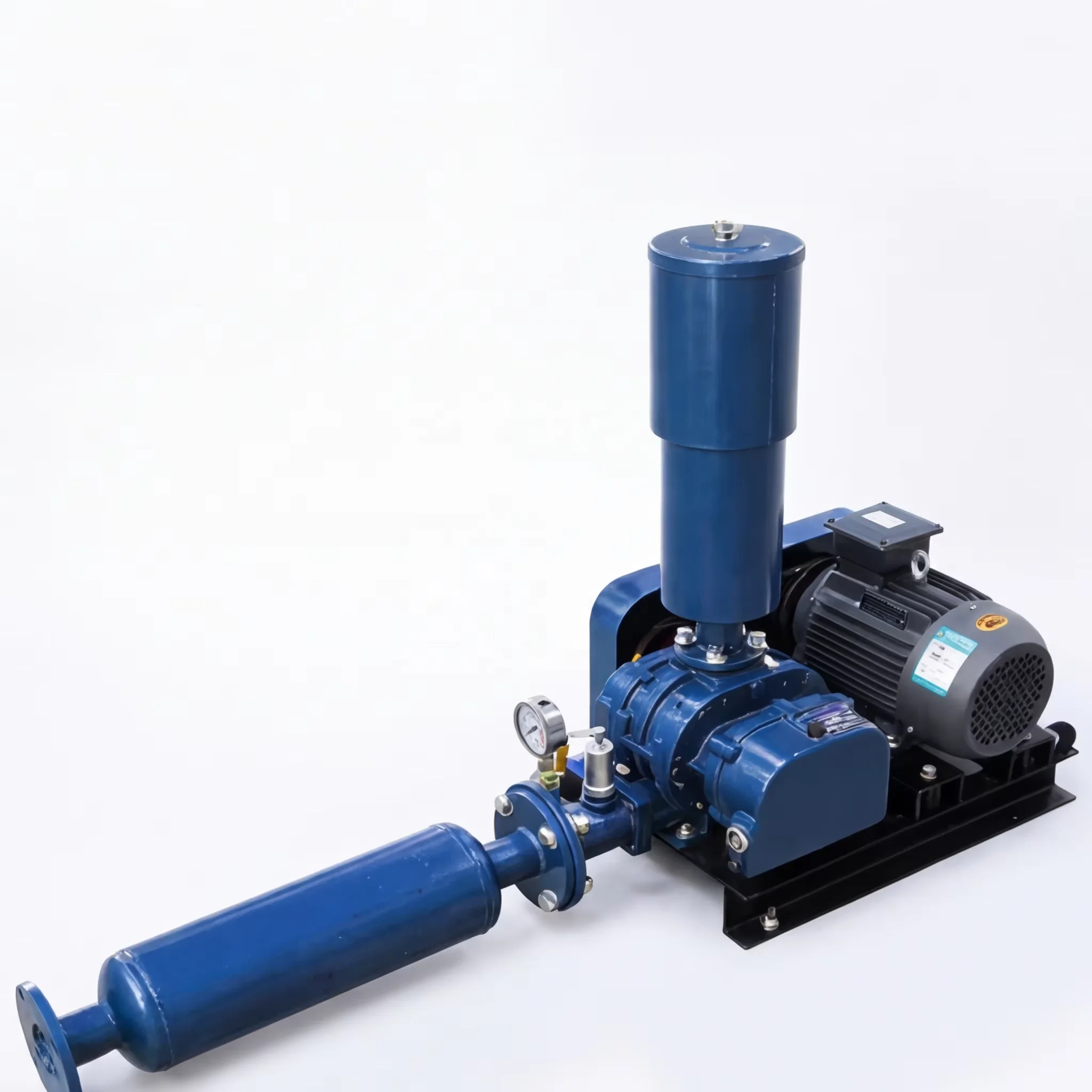
An aquaculture roots blower is a critical investment for fish farming operations, and understanding its key performance indicators is essential for maximizing productivity and maintaining healthy aquatic environments. The right metrics help facility managers evaluate whether their equipment delivers consistent oxygen transfer, operates efficiently under varying load conditions, and maintains reliability across multiple growing seasons. Without clear performance benchmarks, operators cannot confidently assess blower health, predict maintenance needs, or optimize energy consumption in their pond aeration systems.
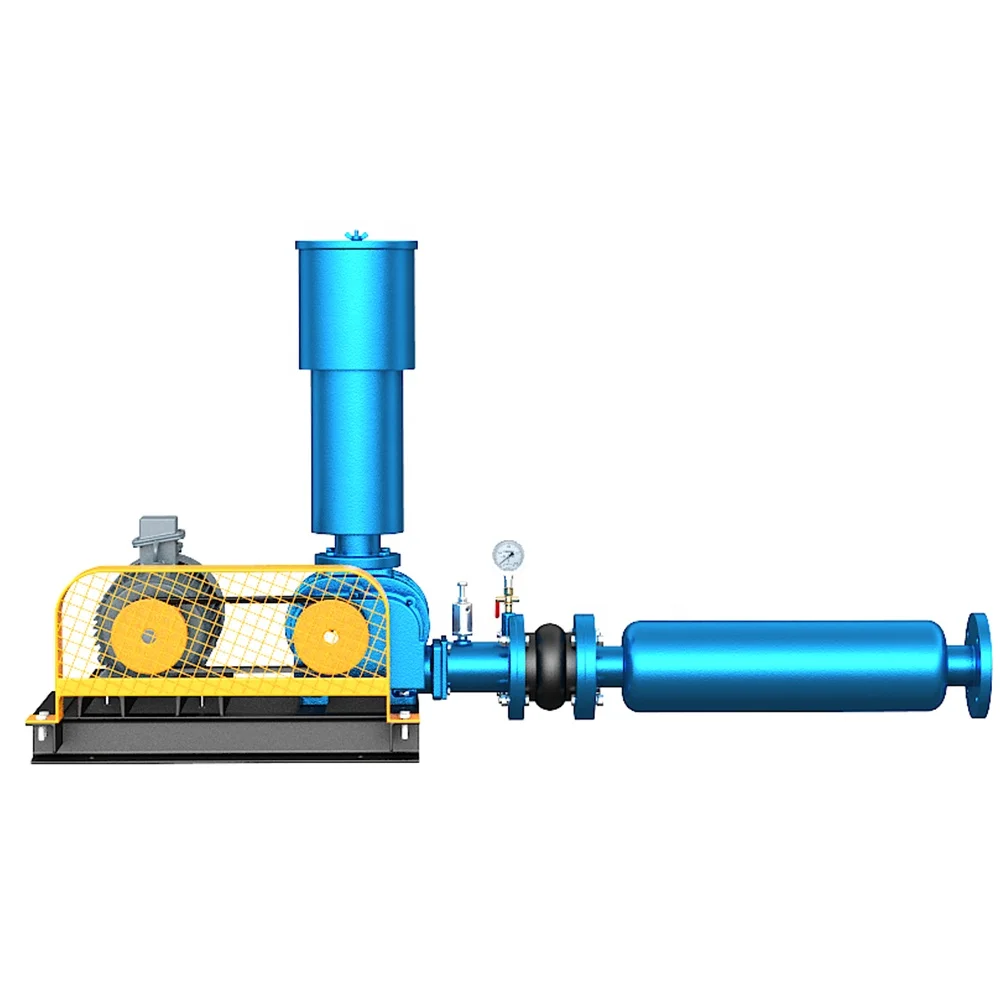
Monitoring these indicators transforms raw operational data into actionable insights, allowing fish farming enterprises to maintain optimal aquaculture oxygen supply systems while controlling costs and extending equipment lifespan. The most relevant KPIs span three domains: mechanical performance, energy efficiency, and dissolved oxygen delivery. Each indicator reveals different aspects of blower function and helps operators detect emerging problems before they compromise water quality or fish health.
Mechanical Performance and Flow Rate Metrics
Measuring Volumetric Flow Output
The volumetric flow rate, typically measured in cubic meters per hour or cubic feet per minute, represents the volume of air an aquaculture roots blower delivers under specified operating conditions. This metric directly influences the oxygen transfer capacity of your pond aeration equipment for fish farming. A positive displacement blower specifications should guarantee minimum flow output at rated speed and pressure, and actual field measurements should consistently match or exceed nameplate values. Operators should verify flow rates during commissioning and periodically throughout the season to confirm the blower maintains design performance.
Declining flow output often signals mechanical wear, seal degradation, or internal leakage within the blower housing. Tracking flow trends over time creates an early warning system for maintenance needs. Many facilities establish baseline measurements during the first operating season, then compare quarterly readings to detect performance drift. A sustained flow reduction of five to ten percent typically warrants internal inspection or impeller refurbishment.
Pressure Rise and Discharge Head
Pressure rise indicates the maximum pressure the positive displacement blower specifications can generate, and this metric directly affects oxygen distribution through diffusers and aeration stone depth. Higher pressure capability allows deeper placement of diffusers in grow-out ponds, enabling better oxygen distribution to lower water layers where demand is greatest. Most roots blower designs for aquaculture oxygen supply systems produce pressure rise between 0.5 and 1.2 bar, though application-specific requirements may demand higher or lower discharge pressure.
Monitoring discharge pressure reveals piping restrictions, diffuser clogging, and potential system leaks. A sudden pressure increase at constant speed suggests partial blockage downstream, while gradual pressure decline may indicate seal wear or internal clearance growth. Facility operators should record both suction and discharge pressure simultaneously to calculate actual differential pressure across the blower unit.
Energy Efficiency and Power Consumption Analysis
Brake Horsepower and Specific Energy
Brake horsepower represents the actual mechanical power consumed by the aquaculture roots blower shaft, distinct from motor electrical input. Specific energy, calculated as brake horsepower divided by volumetric flow rate, reveals the energy cost per unit of air delivery. Lower specific energy values indicate higher efficiency and reduced operational cost. For pond aeration equipment for fish farming, typical specific energy ranges from 1.5 to 2.5 kilowatts per 1000 cubic meters per hour, depending on operating point and design maturity.
Monitoring specific energy trends helps operators identify when maintenance becomes cost-justified. Increasing specific energy despite stable flow output suggests internal friction growth, possibly from bearing wear or seal degradation. Many fish farming facilities establish energy budgets based on stocked biomass and feeding intensity, then track actual power consumption to assess blower efficiency and detect anomalies requiring attention.
Motor Efficiency and Thermal Stability
Motor efficiency, measured as mechanical output power divided by electrical input power, reflects how effectively the electric motor converts electrical energy into mechanical shaft rotation. Aquaculture oxygen supply systems depend on reliable motor performance, as efficiency degradation increases electricity cost and heat generation. Operators should monitor motor current draw during operation; rising current at constant speed indicates declining efficiency or increased blower mechanical resistance.
Thermal stability prevents motor overheating and ensures continuous operation during peak aeration demand. Surface temperature monitoring during maximum load operation reveals whether cooling capacity matches power dissipation. Most farm installations maintain motor surface temperature below 80 degrees Celsius during full-load continuous operation. Thermal trending helps predict motor life remaining and informs replacement scheduling.
Oxygen Transfer and Water Quality Integration Metrics
Dissolved Oxygen Delivery Rate
The dissolved oxygen delivery rate, measured in kilograms of oxygen per hour transferred from air to water, represents the ultimate performance objective for aquaculture roots blower installations. This metric depends on blower flow rate, discharge pressure, diffuser design, water temperature, and pond mixing patterns. By correlating volumetric flow output with measured dissolved oxygen rise in grow-out ponds, operators quantify real-world oxygen transfer efficiency and can identify whether theoretical calculations match field results.
Many facilities measure dissolved oxygen concentration at multiple pond depths before and after aeration system operation, then calculate mass oxygen transferred per unit time. Comparing this field-measured value against design specifications reveals whether positive displacement blower specifications achieve expected performance under actual site conditions. Seasonal variations in water temperature significantly affect oxygen transfer, so comparing current-season results against historical data from similar conditions provides meaningful trend information.
Reliability and Mean Time Between Maintenance Events
Mean time between maintenance events quantifies blower reliability by recording hours of operation between unscheduled repairs or scheduled service interventions. Tracking this metric builds confidence in equipment selection and maintenance scheduling practices. High-performing aquaculture oxygen supply systems typically operate 2000 to 4000 hours between major maintenance events, depending on design quality and installation practices.
Correlating maintenance frequency with operating conditions, seasonal demand patterns, and environmental factors enables predictive maintenance strategies. For example, if bearing replacement consistently occurs after 3000 hours during high summer load periods, operators can schedule preventive bearing service before that threshold rather than risk emergency shutdown during peak growing season. This proactive approach protects both fish health and farm profitability.
FAQ
How often should I measure performance indicators for my aquaculture roots blower?
Most fish farming operations establish a monitoring schedule of weekly operational checks for basic indicators like discharge pressure and motor current, with more detailed performance testing monthly or seasonally. Critical metrics such as dissolved oxygen delivery and volumetric flow should be verified at least quarterly and whenever equipment maintenance is performed. Facility size, biomass intensity, and system complexity influence optimal monitoring frequency.
What indicates that my pond aeration equipment for fish farming needs repair or replacement?
Common warning signs include sustained flow reduction exceeding ten percent, rising specific energy consumption with stable operating conditions, motor current increase without corresponding load changes, or decreased dissolved oxygen transfer despite stable blower operation. When multiple indicators simultaneously show degradation trends, major maintenance or equipment replacement typically becomes necessary within weeks to prevent operational failure.
Can I optimize positive displacement blower specifications after installation by adjusting operating parameters?
Limited optimization is possible through speed adjustment if your motor provides variable-frequency drive capability, which directly changes volumetric flow and pressure output proportionally. However, fundamental positive displacement blower specifications like maximum pressure and displacement volume are fixed at manufacture. Most efficiency improvements come through maintenance practices, system redesign such as diffuser optimization, and strategic operational timing rather than parameter adjustment.