
 EN
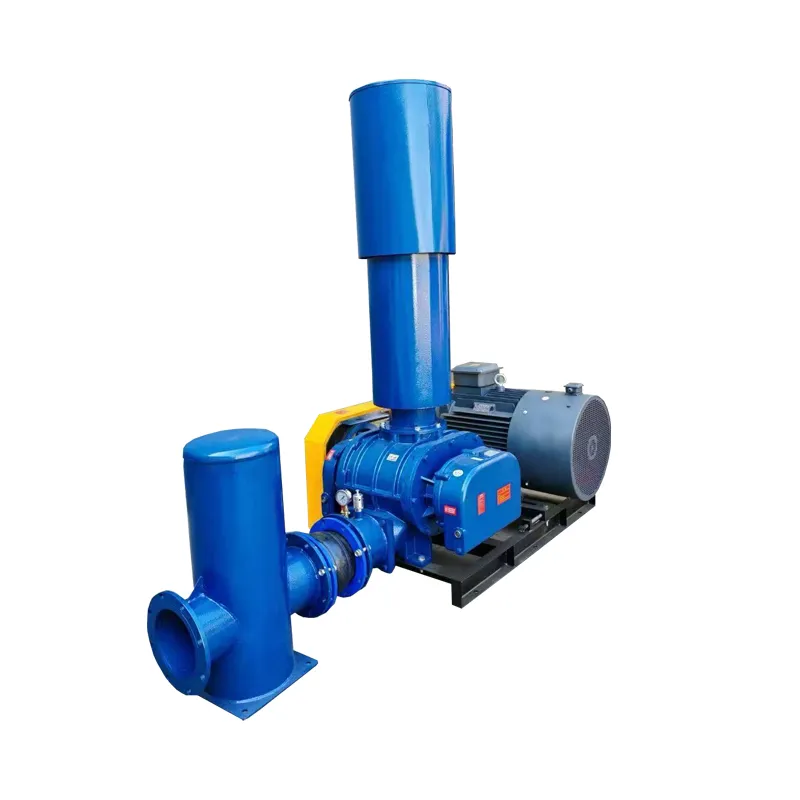
Selecting the right aquaculture roots blower is one of the most critical decisions equipment suppliers and farm operators face when designing efficient aeration systems. The success of any aquaculture operation depends heavily on maintaining optimal dissolved oxygen levels, and the choice of blower technology directly impacts both operational efficiency and fish survival rates. Aquaculture roots blowers are specifically engineered to deliver consistent, reliable airflow for pond aeration equipment in fish farming environments, where consistent performance can mean the difference between a thriving operation and costly production losses.
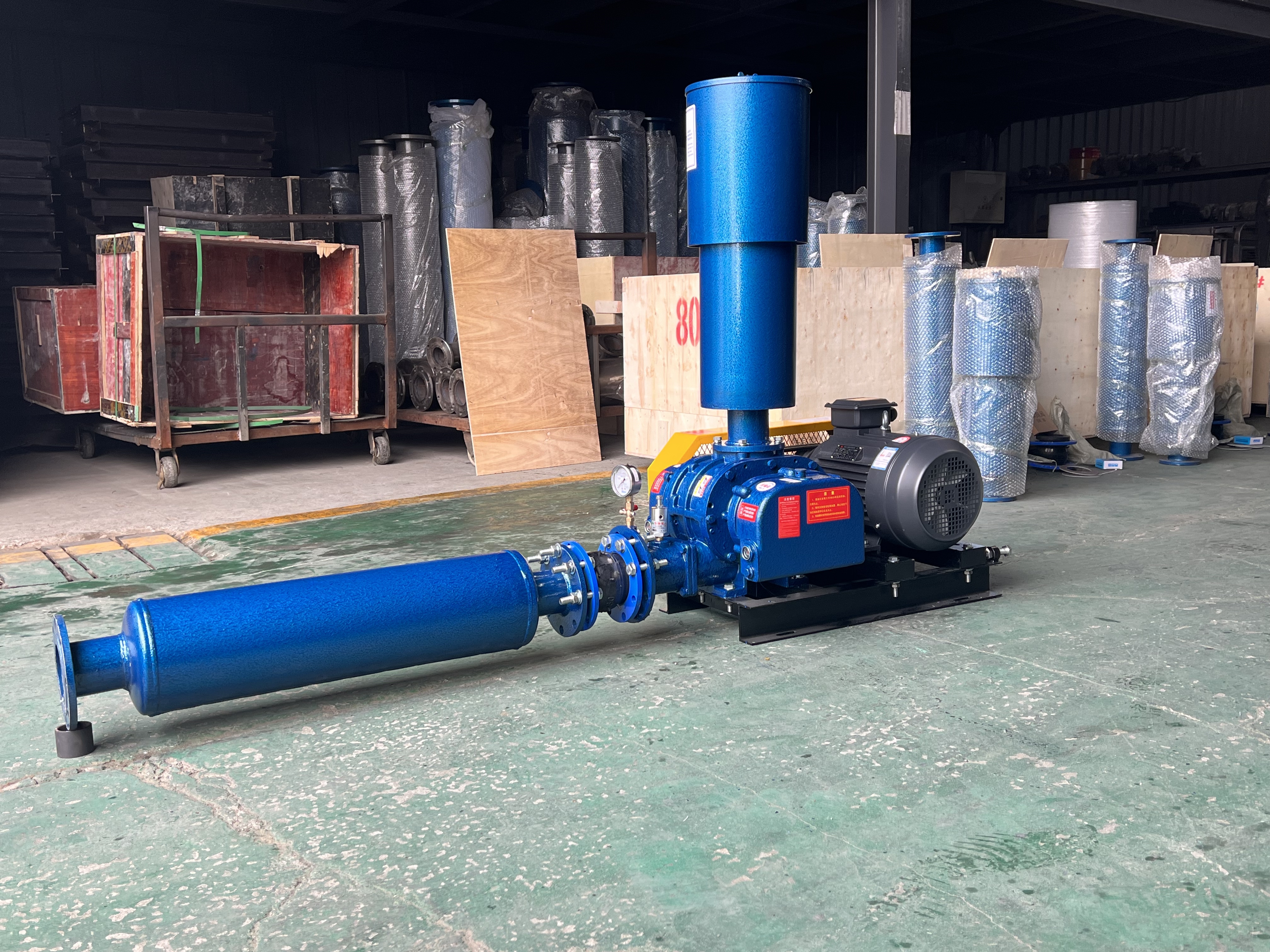
Equipment suppliers must understand the fundamental differences between blower types, their operational characteristics, and how they integrate into broader aquaculture oxygen transfer systems and installation frameworks. This knowledge ensures that facility specifications match biological requirements, regulatory standards, and long-term cost sustainability. The decision process involves evaluating multiple technical parameters, environmental conditions, and operational demands specific to each farm layout and fish species being cultured.
Understanding Positive Displacement Blower Specifications for Water Treatment
Core Design and Operational Principles
Positive displacement blower specifications for water treatment form the foundation of modern aquaculture aeration systems. These blowers operate by trapping air in fixed volumes and displacing it at consistent rates, regardless of downstream pressure fluctuations. Unlike centrifugal blowers, positive displacement designs maintain constant airflow output, which is essential for maintaining stable dissolved oxygen concentrations in fish ponds. The positive displacement blower specifications determine volumetric capacity, pressure ratings, and energy consumption, all critical factors in selecting equipment for aquaculture applications.
Roots blowers specifically use rotary lobe compression to move air efficiently through aquaculture oxygen transfer systems. The rotary mechanism creates minimal pulsation, delivering smooth, continuous airflow that reduces stress on diffuser equipment and aquaculture pond infrastructure. Equipment suppliers evaluating positive displacement blower specifications must consider compression ratios, displacement volumes measured in cubic meters per hour, and noise levels that affect site operations and regulatory compliance.
Pressure Ratings and Flow Capacity Alignment
Selecting appropriate pressure and flow capacity in pond aeration equipment requires matching positive displacement blower specifications directly to diffuser type and submersion depth. Shallow ponds require lower pressure ratings, typically 0.04 to 0.08 bar, while deep aeration systems may demand pressure capabilities reaching 0.15 bar or higher. Flow capacity must be sized to support the total number of diffusers, their specific air consumption requirements, and the oxygen demand of stocked fish populations. Equipment suppliers must calculate total aeration demand based on fish biomass, water temperature, and metabolic activity patterns to avoid undersizing, which causes inadequate oxygenation, or oversizing, which wastes energy and increases operational costs.
Evaluating Aquaculture Oxygen Transfer Systems and Installation Requirements
Integration with Diffuser Networks
Aquaculture oxygen transfer systems and installation procedures demand that blower selection align with specific diffuser configurations and delivery piping layouts. Fine-bubble diffusers achieve 60 to 90 percent oxygen transfer efficiency but require consistent, steady airflow provided by roots blower technology. Coarse-bubble systems operate at lower efficiency but tolerate greater airflow variation, making them suitable for different operational scenarios. Equipment suppliers designing aquaculture oxygen transfer systems must verify that selected blower models can sustain required pressure differentials across diffuser arrays without surging or fluctuating, which degrades oxygen transfer efficiency and damages aquaculture equipment.
Installation logistics for aquaculture oxygen transfer systems require consideration of blower placement, vibration isolation, intake air quality protection, and discharge pathway design. Positive displacement blower specifications determine mounting requirements and the structural support needed to minimize vibration transmission to facility infrastructure. Pond aeration equipment piping networks must accommodate the pressure and flow output of the selected aquaculture roots blower, with properly sized mains lines and manifolds to distribute air evenly across diffuser points without creating dead zones or stagnant water areas.
Environmental Conditions and Reliability Factors
Aquaculture facilities operate in corrosive, humidity-rich environments where salt spray, algae-laden air, and high moisture content challenge equipment durability. Equipment suppliers must select positive displacement blower specifications that include corrosion-resistant materials, sealed bearing designs, and moisture-protection features appropriate for the specific farm location and climate. Tropical and coastal aquaculture installations experience accelerated wear on standard equipment, necessitating upgraded positive displacement blower specifications with enhanced coating systems and stainless steel components.
Practical Selection Criteria for Equipment Suppliers
Performance Matching and Cost Analysis
Selecting the right aquaculture roots blower requires balancing initial capital investment against long-term operational efficiency and maintenance requirements. Equipment suppliers evaluating multiple positive displacement blower specifications must calculate total cost of ownership, including power consumption, maintenance intervals, replacement part availability, and expected service life. A lower-priced model with poor energy efficiency may consume significantly more electricity over a five-year operational period, erasing initial savings and increasing facility carbon footprint. Conversely, premium aquaculture roots blower models with advanced efficiency features reduce operational costs substantially when properly sized to farm requirements.
Comparative analysis of pond aeration equipment options should prioritize noise levels, which affect aquaculture operational environment and neighboring community relations. Modern aquaculture roots blower designs incorporate sound attenuation features that reduce noise output from typical 95 dB levels to 75 to 85 dB ranges, supporting sustainable facility operations. Equipment suppliers must also evaluate warranty coverage, technical support availability, and the supplier's experience in aquaculture oxygen transfer systems and installation support, as post-purchase service quality significantly impacts facility uptime and operational reliability.
Scalability and Future Expansion Considerations
Equipment suppliers should choose aquaculture roots blower models and positive displacement blower specifications that accommodate facility expansion without requiring complete system replacement. Modular blower designs or systems capable of operating multiple units allow farms to scale operations incrementally while maintaining system efficiency. Planning pond aeration equipment specifications with future growth scenarios ensures that infrastructure investments remain adaptable to changing market demand, new fish species introduction, or increased stocking densities that drive oxygen demand upward over time.
FAQ
What performance metrics should equipment suppliers prioritize when evaluating pond aeration equipment specifications?
Equipment suppliers should prioritize dissolved oxygen transfer efficiency, volumetric airflow capacity at rated pressure, energy consumption per unit volume of air delivered, and noise output levels. The oxygen transfer efficiency of the complete system depends on matching aquaculture roots blower performance to diffuser type and water depth. Additionally, reliability metrics including mean time between maintenance intervals and bearing life expectancy directly impact long-term facility economics and operational continuity in aquaculture oxygen transfer systems.
How do positive displacement blower specifications compare to alternative aeration technologies?
Positive displacement blower specifications offer superior consistency and reliability compared to centrifugal or turbine designs, particularly in variable-load aquaculture environments where demand fluctuates with fish activity and water temperature changes. Aquaculture roots blower technology maintains constant output pressure and flow regardless of downstream conditions, ensuring stable oxygen delivery to pond aeration equipment. While positive displacement systems typically cost more initially than centrifugal alternatives, their superior efficiency and reliability in demanding aquaculture oxygen transfer systems make them the preferred choice for commercial fish farming operations requiring dependable performance.
What installation considerations ensure optimal performance of aquaculture oxygen transfer systems?
Proper aquaculture oxygen transfer systems and installation require positioning the blower close to diffuser arrays to minimize pressure losses in piping networks, ensuring adequate intake air filtration to prevent contaminant entry, and providing vibration isolation to protect facility structures. Equipment suppliers designing pond aeration equipment systems must verify that discharge piping accommodates the pressure and flow output of the selected aquaculture roots blower without creating bottlenecks. Additionally, regular maintenance schedules addressing filter changes, bearing lubrication, and alignment verification extend equipment life and sustain the oxygen transfer efficiency necessary for healthy fish populations throughout operational seasons.
Table of Contents
- Understanding Positive Displacement Blower Specifications for Water Treatment
- Evaluating Aquaculture Oxygen Transfer Systems and Installation Requirements
- Practical Selection Criteria for Equipment Suppliers
-
FAQ
- What performance metrics should equipment suppliers prioritize when evaluating pond aeration equipment specifications?
- How do positive displacement blower specifications compare to alternative aeration technologies?
- What installation considerations ensure optimal performance of aquaculture oxygen transfer systems?