
 EN
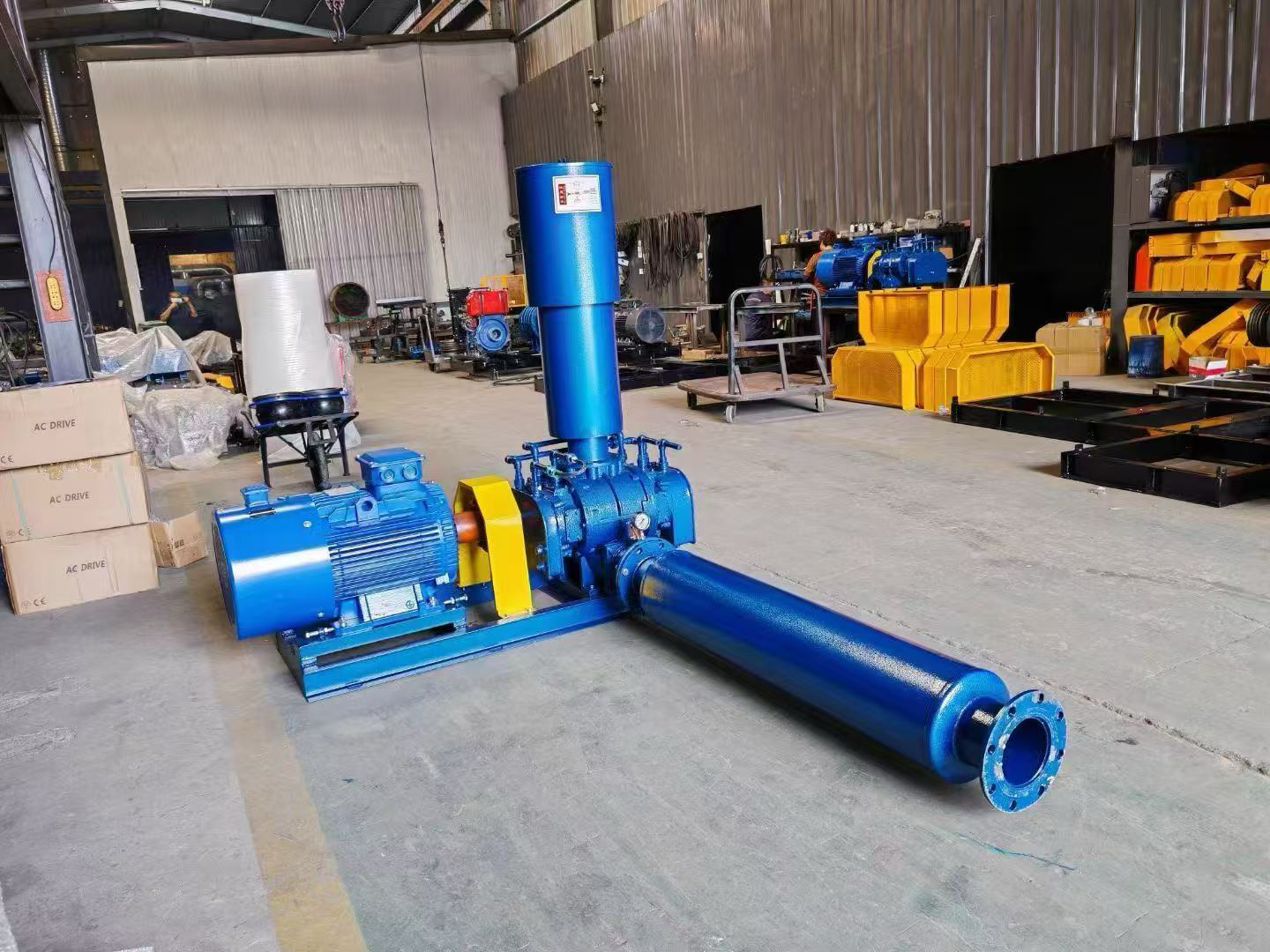
Selecting the right aquaculture roots blower is fundamental to successful fish farming operations. Whether you manage intensive commercial hatcheries or pond-based systems, the performance of your aeration infrastructure directly impacts oxygen availability, water quality, and ultimately fish survival rates and growth metrics. Modern aquaculture oxygen transfer systems must balance efficiency, reliability, and cost-effectiveness while adapting to diverse pond layouts and production scales.
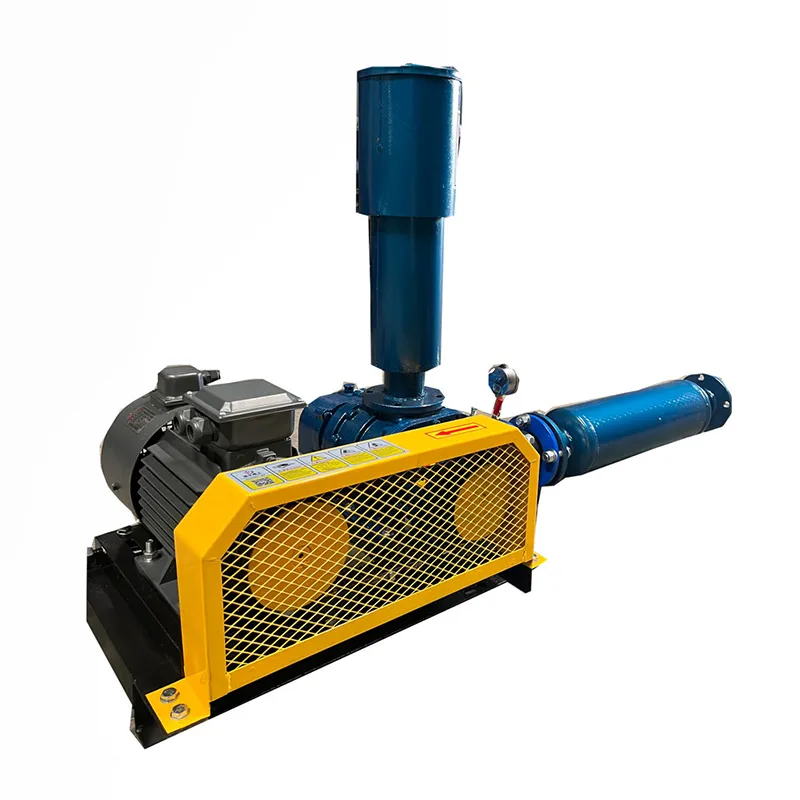
Understanding which features genuinely matter when sourcing pond aeration equipment requires insight into both operational demands and practical constraints. An effective blower system combines mechanical robustness with hydrodynamic efficiency, ensuring consistent oxygen delivery under varying load conditions. This guide explores the critical specifications and design elements that separate high-performing solutions from mediocre alternatives.
Flow Rate and Pressure Capacity Alignment
Matching Blower Output to Pond Volume
The foundation of any successful aquaculture oxygen transfer systems is precise alignment between blower flow capacity and actual pond volume requirements. Fish tank air pump specifications typically express flow rate in cubic meters per hour or cubic feet per minute, which must correlate directly with your total water volume and target dissolved oxygen concentration. Undersized equipment leads to chronic oxygen depletion during peak feeding periods, while oversized systems waste energy and generate unnecessary operational costs.
Calculating the required flow rate depends on multiple factors including water temperature, fish biomass density, metabolic demands, and whether the pond benefits from natural water circulation. A professional assessment of your specific aquaculture environment ensures pond aeration equipment delivers adequate oxygen turnover without excessive energy consumption. Most commercial operations employ computational models that integrate these variables to establish precise volume and pressure specifications.
Pressure Requirements and Depth Considerations
Pressure capacity becomes critical when serving deeper ponds or systems using submerged diffusion equipment. Fish tank air pump specifications must account for hydrostatic pressure, which increases approximately 0.73 psi per meter of water depth. An aquaculture roots blower serving a 4-meter deep pond requires sufficient head pressure to overcome both the water column and friction losses in delivery piping, typically ranging from 40 to 60 kPa depending on diffuser design and tubing configuration.
Selecting pond aeration equipment with undersized pressure capacity results in incomplete diffusion, where air bubbles rise too rapidly and escape without transferring dissolved oxygen effectively. Conversely, excessive pressure capacity creates operational inefficiency and accelerates wear on mechanical components. Your equipment specifications should precisely match your pond topology and intended diffusion methodology.
Energy Efficiency and Operational Reliability
Motor Efficiency and Drive System Design
Modern aquaculture oxygen transfer systems prioritize energy efficiency because aeration typically represents 40 to 60 percent of total operating expenses in intensive fish farming operations. An efficient aquaculture roots blower incorporates optimized blade geometry, precision clearances, and low-friction bearing systems that minimize parasitic losses. Premium pond aeration equipment often features variable frequency drives enabling operators to adjust blower speed in response to real-time dissolved oxygen measurements, dramatically reducing wasted energy during low-demand periods.
The motor itself contributes significantly to overall system efficiency, with high-efficiency AC motors converting 92 to 96 percent of electrical input into mechanical output compared to 88 to 90 percent for standard-duty alternatives. Over a 10-year operational lifespan, this efficiency differential translates to thousands of dollars in cumulative energy savings. Professional fish tank air pump specifications require independent verification of motor efficiency ratings and operating power factors.
Maintenance Requirements and Component Longevity
Reliability directly impacts profitability in aquaculture because unexpected blower failure means immediate oxygen depletion and catastrophic fish mortality. Quality aquaculture roots blower systems incorporate sealed bearing assemblies, corrosion-resistant components, and straightforward access points for routine maintenance. Pond aeration equipment specifications should detail bearing type, seal design, and specified maintenance intervals to ensure continuous operation across extended production cycles.
Component availability and service support represent often-overlooked factors when sourcing fish tank air pump specifications. Establishing relationships with suppliers offering readily available spare parts, technical documentation, and rapid response to equipment failures provides essential protection against unexpected downtime. Long-term cost of ownership includes not just energy consumption but also preventive maintenance expenses and emergency service charges.
Material Selection and Environmental Resilience
Corrosion Resistance and Humidity Tolerance
Aquaculture environments demand materials resistant to continuous humidity exposure, salt spray in coastal operations, and potential chemical treatments applied during disease management protocols. An aquaculture roots blower intended for long-term service should feature aluminum, cast iron, or stainless steel construction depending on the specific environmental conditions. Pond aeration equipment serves in consistently wet environments where standard carbon steel components deteriorate rapidly through oxidation and corrosion.
Protective coatings, epoxy paint systems, and stainless steel fasteners extend equipment longevity in harsh aquaculture settings. Superior fish tank air pump specifications incorporate materials specifically selected for resistance to chlorine-based disinfectants, probiotics, minerals, and other substances routinely introduced into aquaculture systems. This material resilience prevents unexpected equipment failure and maintains consistent oxygen delivery throughout extended production seasons.
Temperature Stability and Climate Adaptation
Aquaculture oxygen transfer systems must function reliably across wide temperature variations, from cool-climate operations during winter months to tropical environments experiencing sustained heat exposure. Excessive operating temperatures reduce motor efficiency, accelerate lubricant breakdown, and increase bearing wear rates. Quality pond aeration equipment incorporates thermal management features including cooling fans, heat-dissipating housings, and temperature monitoring systems that trigger protective shutdowns before damage occurs.
Regional climate patterns influence which aquaculture roots blower specifications best suit your operation. Tropical operations require enhanced cooling capacity and corrosion protection, while temperate regions demand robust winterization features. Professional system design incorporates climate-specific engineering considerations that ensure reliable performance across seasonal variations and unexpected weather events.
FAQ
What specifications matter most when selecting an aquaculture roots blower for large-scale operations?
For large-scale operations, the most critical specifications include flow rate capacity precisely matched to total pond volume, pressure rating sufficient for your diffusion depth, energy efficiency ratings affecting long-term operating costs, and material corrosion resistance for durability in humid aquaculture environments. Additionally, fish tank air pump specifications should address variable frequency drive compatibility, thermal management systems, and verified service support availability to minimize operational disruptions.
How do pond aeration equipment pressure requirements differ between shallow and deep aquaculture systems?
Shallow systems under 2 meters depth typically require 20 to 35 kPa pressure, while deeper systems exceeding 4 meters need 50 to 70 kPa or higher depending on diffuser configuration. The additional pressure accommodates hydrostatic head plus friction losses in delivery piping. Aquaculture oxygen transfer systems serving variable depth ponds often employ multi-stage blower configurations or adjustable regulators to optimize pressure for different operational zones.
What maintenance schedules protect aquaculture roots blower investment and ensure consistent performance?
Professional maintenance protocols for pond aeration equipment include quarterly bearing inspections, semi-annual seal condition verification, annual motor load testing, and monthly vibration monitoring. Fish tank air pump specifications should reference manufacturer recommendations for lubricant changes, filter replacements, and coupling inspections. Establishing preventive maintenance schedules for your aquaculture oxygen transfer systems substantially extends equipment life and prevents expensive emergency repairs that disrupt fish farming operations.
Table of Contents
- Flow Rate and Pressure Capacity Alignment
- Energy Efficiency and Operational Reliability
- Material Selection and Environmental Resilience
-
FAQ
- What specifications matter most when selecting an aquaculture roots blower for large-scale operations?
- How do pond aeration equipment pressure requirements differ between shallow and deep aquaculture systems?
- What maintenance schedules protect aquaculture roots blower investment and ensure consistent performance?