
 EN
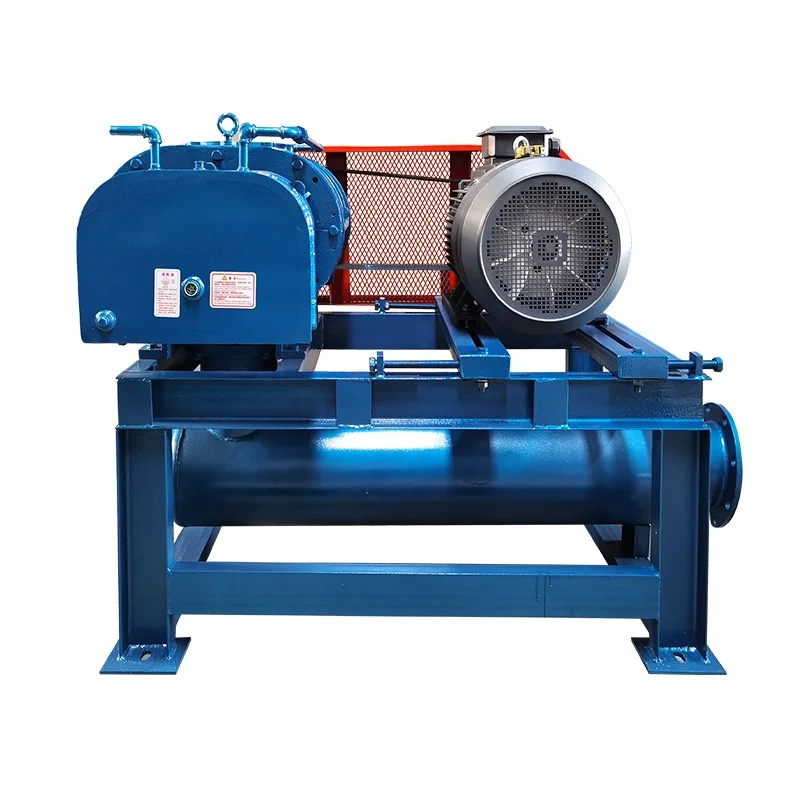
A high pressure roots blower maintains stable pressure through a precisely engineered mechanical design that relies on positive displacement principles rather than dynamic compression. Unlike centrifugal blowers that vary output based on speed and inlet conditions, rotary lobe blower pressure ratings remain consistent because the machine traps and transfers a fixed volume of air with each rotation. This inherent characteristic makes high pressure roots blowers ideal for applications demanding reliable, steady-state pressure delivery across fluctuating load conditions.
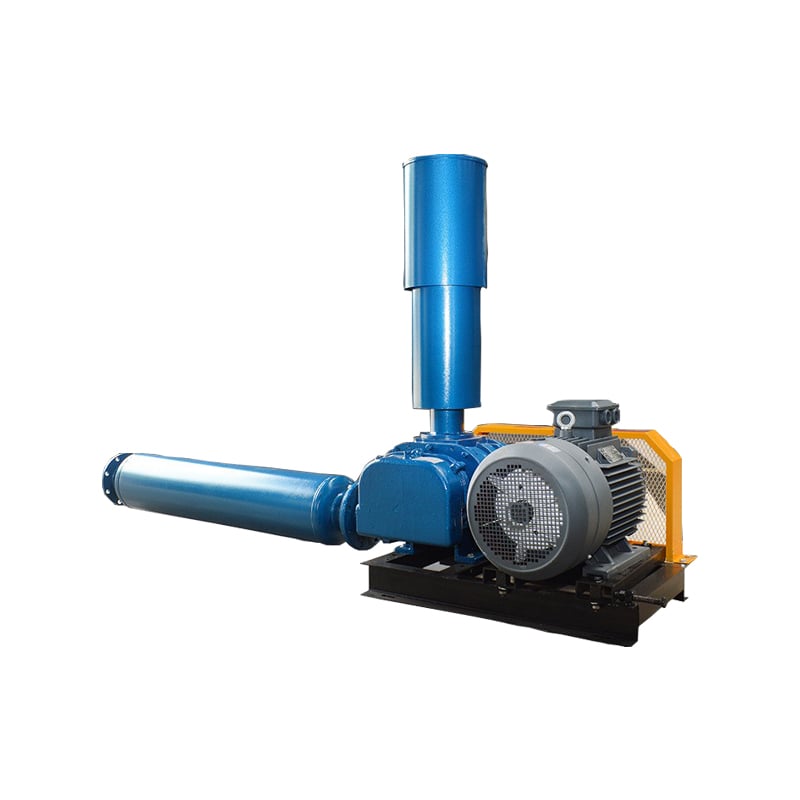
Industrial air compression systems increasingly depend on rotary lobe technology because positive displacement blower applications provide superior pressure control in critical processes. Whether operating in aquaculture aeration, wastewater treatment, pneumatic conveying, or specialized industrial operations, the high pressure roots blower's ability to sustain constant outlet pressure regardless of downstream resistance ensures system reliability and process consistency. Understanding the mechanisms behind this stable performance helps operators and engineers select the right equipment and optimize operational efficiency.
Mechanical Design and Displacement Principles
Fixed Volume Displacement Mechanism
The core advantage of any high pressure roots blower lies in its fixed volume displacement principle. Two rotary lobes rotate in opposite directions within a precisely machined chamber, trapping air at the inlet and moving it toward the discharge port with each complete rotation cycle. This mechanical action guarantees that the same volume of air moves through the blower regardless of downstream system pressure, speed variations, or load fluctuations. The rotor geometry and chamber design directly determine the displacement volume per revolution, which remains constant throughout the blower's operating life.
In contrast to dynamic compressors that depend on velocity and centrifugal force, positive displacement blower applications function by mechanical trapping and displacement. A high pressure roots blower with rotary lobe pressure ratings of 5 to 10 psi or higher will deliver that rated pressure as long as the motor maintains speed, regardless of whether downstream equipment requires full flow or partial flow. This consistency makes such blowers exceptionally reliable for industrial air compression systems where process stability is non-negotiable.
Precision Manufacturing and Clearance Control
Stable pressure performance depends critically on the precision clearances between the rotary lobe elements and the chamber walls. High pressure roots blower manufacturers maintain tight tolerances during production to minimize internal leakage. If rotor-to-housing clearance exceeds specification, compressed air escapes past the rotors before reaching the discharge, reducing effective pressure and creating pressure fluctuations. Positive displacement blower applications at higher pressure ratings require even tighter manufacturing standards to limit this slip and maintain discharge pressure consistency.
As wear occurs over months or years of operation, internal clearances gradually increase, and some pressure loss becomes inevitable. However, modern high pressure roots blower designs maintain acceptable performance across their useful life span. Routine inspection and maintenance protocols help operators identify when clearance wear begins to compromise pressure stability, signaling the need for refurbishment or replacement. Industrial air compression systems that require peak reliability often schedule preventive maintenance based on manufacturer guidelines to preserve pressure uniformity.
Pressure Regulation and System Integration
Relief Valve and Bypass Control
Although a high pressure roots blower inherently delivers consistent displacement, system pressure depends partly on downstream restrictions and discharge pressure control mechanisms. A pressure relief valve or bypass system prevents excessive backpressure that could damage the blower or connected equipment. Rotary lobe blower pressure ratings specify the safe maximum discharge pressure the blower can sustain; relief valves ensure operation stays within this safe zone while maintaining stable output.
In many industrial air compression systems, variable load conditions change the actual discharge pressure moment-to-moment. For example, when a pneumatic conveying line opens to accept material, flow demand increases and pressure may drop slightly. When the line closes, pressure rises until the relief valve acts. A properly calibrated relief system keeps outlet pressure within a tight band, preserving the stability that positive displacement blower applications depend on for consistent process performance. This regulation method works harmoniously with the blower's mechanical design.
Speed Control and Flow Modulation
Modulating the motor speed offers another approach to managing pressure and flow in high pressure roots blower installations. Variable frequency drives (VFDs) allow operators to adjust rotational speed, which proportionally modulates displacement and discharge flow. Lower speed reduces displacement volume per revolution, which typically lowers discharge pressure when system backpressure remains constant. This speed-based control method conserves energy and reduces heat generation while maintaining pressure stability across different operating scenarios.
Many modern industrial air compression systems incorporate speed control into their pressure regulation strategy. A high pressure roots blower running at 1200 rpm generates different flow and pressure than the same blower at 900 rpm, but the displacement principle remains consistent at each speed level. Rotary lobe blower pressure ratings apply across the rated speed range, ensuring operators can confidently select speed settings knowing discharge pressure will remain predictable and stable.
Thermal Stability and Discharge Conditions
Heat Generation and Cooling Impact
Compression of air generates heat, and a high pressure roots blower produces discharge temperatures proportional to the compression ratio and mechanical losses. Thermal effects influence pressure stability because air density changes with temperature; hotter air at a given pressure occupies more volume. In positive displacement blower applications, this relationship means that if cooling is insufficient, discharge temperature may rise, which reduces the mass flow density and can subtly affect perceived pressure stability. Industrial air compression systems often include aftercoolers or intercoolers to remove compression heat and maintain consistent outlet conditions.
Rotary lobe blower pressure ratings generally assume ambient inlet conditions and standard cooling arrangements. If a high pressure roots blower operates in a hot environment or without adequate cooling, thermal resistance can degrade performance consistency. Manufacturers specify inlet temperature limits and cooling requirements to ensure the blower maintains its rated pressure characteristics. Operators who observe pressure drift tied to rising discharge temperatures should evaluate cooling adequacy and system thermal load to restore stability.
Moisture and Air Quality Considerations
Moisture, oil carryover, and particulate contamination affect discharge stability in a high pressure roots blower system. Positive displacement blower applications often incorporate intake filtration and air dryers to maintain clean, dry inlet conditions. Wet air or oil-laden air can cause rotor fouling, internal deposits, or slugging, all of which disrupt the smooth mechanical action and compromise pressure consistency. Regular filter changes and air quality monitoring support long-term pressure stability and equipment reliability in industrial air compression systems.
FAQ
Why does a high pressure roots blower deliver steadier pressure than a centrifugal compressor?
A high pressure roots blower operates on positive displacement principles, trapping and mechanically moving a fixed volume of air per rotation regardless of downstream pressure or system load changes. Centrifugal compressors depend on velocity and centrifugal force, which vary with speed and inlet conditions, leading to pressure fluctuations. This fundamental mechanical difference makes rotary lobe blower pressure ratings predictable and consistent, ideal for industrial air compression systems where steady output is essential.
What maintenance helps preserve pressure stability in positive displacement blower applications?
Maintaining tight rotor clearances through periodic inspection, keeping inlet air clean and dry with regular filter replacement, and monitoring discharge temperature all preserve a high pressure roots blower's pressure stability. Over time, wear increases internal leakage and degrades pressure consistency; preventive maintenance catches problems early. Oil level checks, vibration monitoring, and alignment verification also support the mechanical precision that positive displacement blower applications demand for stable operation.
Can rotary lobe blower pressure ratings be exceeded safely in industrial air compression systems?
No; exceeding the rated maximum discharge pressure of a high pressure roots blower risks mechanical damage, seal failure, and overheating. Pressure relief valves are sized to protect the blower and ensure it operates within manufacturer limits. Attempting to exceed rotary lobe blower pressure ratings typically degrades equipment life, compromises safety, and reduces system reliability. Proper system design ensures relief settings match the blower's rated pressure capability for optimal performance and longevity in industrial air compression systems.