
 EN
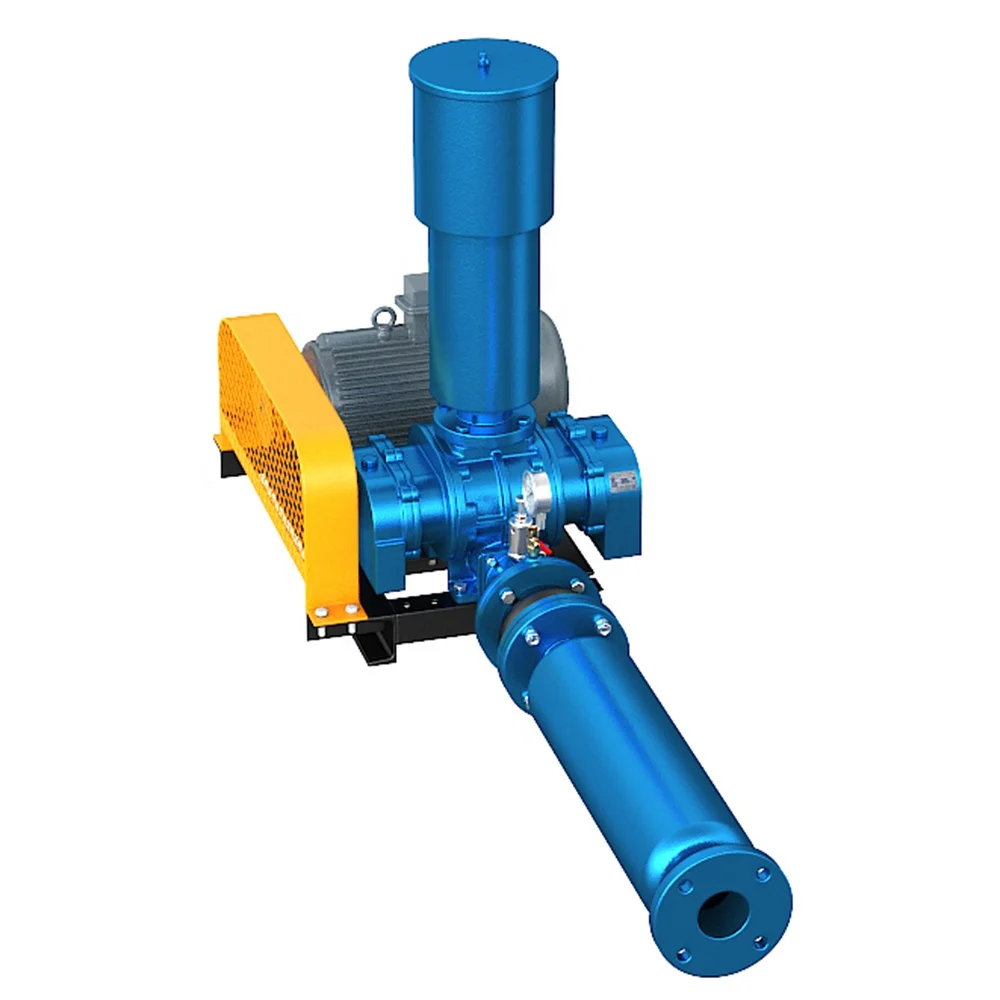
Selecting the right equipment for industrial operations requires understanding the specific demands of your application and the capabilities of available technologies. A high pressure roots blower offers distinct advantages for facilities requiring reliable, efficient air movement under demanding conditions. These machines deliver consistent performance across a wide range of industrial sectors, from wastewater treatment to pneumatic conveying, making them a cornerstone of modern manufacturing and process operations.
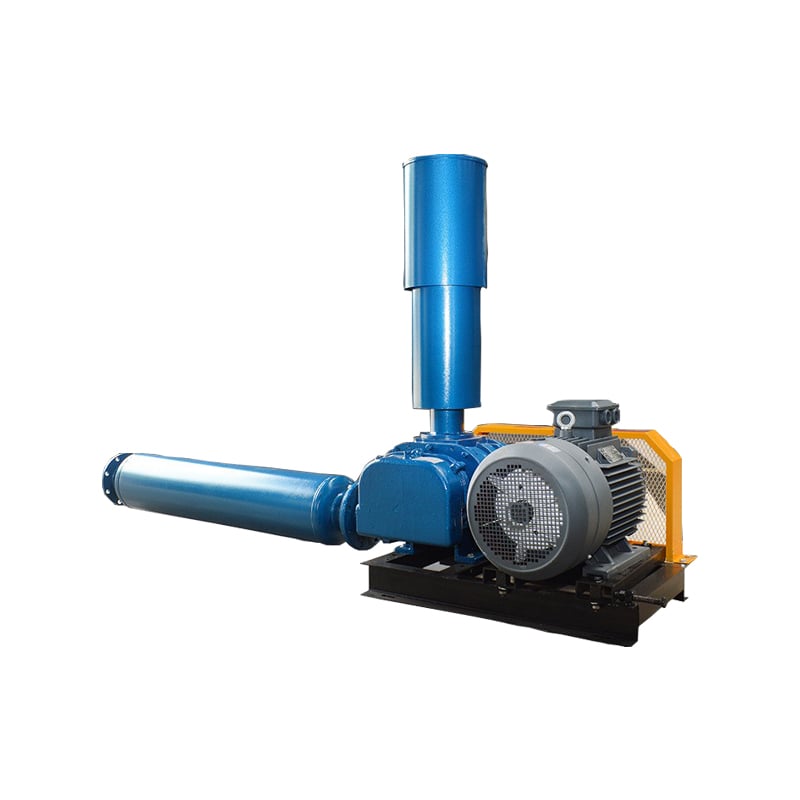
Understanding why industrial operators prioritize this equipment type helps clarify the value it brings to operations. A rotary lobe blower specifications framework reveals how these machines achieve superior performance metrics compared to alternatives. The positive displacement blower applications landscape continues to expand as industries recognize the benefits of consistent, pressure-stable air delivery without the fluctuations associated with centrifugal designs.
Operational Efficiency and Performance Advantages
Consistent Pressure Delivery in Demanding Environments
Industrial air compression systems must maintain steady output regardless of downstream demand variations. A high pressure roots blower excels in this requirement through its positive displacement design, which captures a fixed volume of air with each rotation and delivers it predictably. This consistency eliminates the performance dips that plague centrifugal alternatives when system load fluctuates. For applications like pneumatic conveying, wastewater aeration, and vacuum generation, this reliability translates directly into process stability and reduced downtime.
The rotary lobe blower specifications of industrial-grade models demonstrate their engineering maturity. These machines operate at speeds ranging from 500 to 3,000 RPM, with displacement volumes scaling from a few cubic feet per minute to thousands. This scalability means operators can match equipment precisely to their facility's needs without oversizing or undersizing. Positive displacement blower applications benefit enormously from this flexibility, allowing manufacturers to configure systems that balance energy consumption with output requirements.
Energy Efficiency Within Operational Parameters
Modern industrial air compression systems increasingly prioritize energy efficiency without compromising performance. A high pressure roots blower consumes power proportionally to the work it performs, making it suitable for continuous-duty applications where steady pressure maintenance is essential. Unlike centrifugal designs that waste energy during load fluctuations, rotary lobe blower specifications include direct-drive configurations that minimize mechanical losses.
Positive displacement blower applications in sectors like food processing, chemical manufacturing, and aquaculture have demonstrated measurable energy savings compared to alternative technologies. The straight mechanical relationship between motor speed, displacement, and output pressure means operators can calculate performance outcomes accurately before installation. This predictability simplifies capacity planning and operating cost projections across multi-year facility lifecycles.
Reliability and Longevity in Industrial Settings
Durability Through Mechanical Simplicity
Industrial facilities operate under harsh conditions that demand equipment resilience. A high pressure roots blower achieves extended service life through mechanical straightforwardness and proven design principles refined over decades. The absence of sliding vanes, complex valve assemblies, or intricate controls reduces failure points and simplifies maintenance procedures. Rotary lobe blower specifications typically include heavy-duty bearings, precision-engineered rotors, and robust casings designed to withstand continuous operation with minimal wear.
The positive displacement blower applications across paper mills, pharmaceutical facilities, and waste management sites consistently demonstrate reliability metrics that exceed industry standards. Scheduled maintenance intervals often extend to 5,000 operating hours or longer between major services, and many units operate for 15 to 20 years with proper care. This longevity significantly reduces total cost of ownership compared to equipment requiring frequent replacement cycles. Industrial air compression systems built around this blower type benefit from the established supply chains for replacement parts and service expertise available worldwide.
Minimal Performance Degradation Over Time
Unlike centrifugal compressors that experience performance loss as internal clearances increase with wear, a high pressure roots blower maintains output stability throughout its operational life. This characteristic stems from the positive displacement principle itself—the machine simply cannot deliver less than its rated displacement at a given speed, regardless of minor wear. Positive displacement blower applications therefore maintain predictable performance curves that allow operators to rely on consistent specifications even in year ten of equipment operation.
Rotary lobe blower specifications include corrosion-resistant materials for applications involving moisture, salt spray, or chemical exposure. This material engineering extends functional life significantly, particularly in coastal manufacturing facilities and chemical processing environments. Industrial air compression systems utilizing this approach experience fewer unexpected failures and maintain warranty coverage through extended service periods, protecting capital investments and operational continuity.
Application Versatility Across Industrial Sectors
Diverse Industrial Use Cases and Suitability
A high pressure roots blower serves hundreds of distinct industrial applications spanning multiple sectors. Wastewater treatment plants employ these machines to deliver oxygen for biological processes, pneumatic conveying systems use them to move bulk solids pneumatically, and aquaculture operations utilize them for aeration. The positive displacement blower applications landscape includes vacuum generation, pneumatic tool operation, cooling applications, and pressure intensification scenarios where the consistency of a rotary lobe blower specifications design proves superior to alternatives.
Food processing facilities rely on positive displacement blower applications for packaging line pressurization and ingredient mixing. Pharmaceutical manufacturers depend on industrial air compression systems featuring this technology for clean-room pressurization and process validation. The chemical and petrochemical sectors use high pressure roots blower equipment for gas sampling, product transfer, and safety systems. This versatility stems from the fundamental reliability and consistency that make the technology applicable across vastly different operational contexts.
Scalability and System Integration Flexibility
Industrial operations range from small specialty manufacturers to massive integrated facilities, and equipment selection must accommodate this diversity. A high pressure roots blower comes in configurations serving single-digit CFM applications and multi-thousand-CFM industrial installations. Positive displacement blower applications benefit from this scalability because operators can expand systems modularly, adding units as production increases rather than oversizing initial installations. Rotary lobe blower specifications allow for parallel operation of multiple units, providing redundancy and maintenance flexibility unavailable with single large machines.
System integration with industrial air compression systems becomes simpler with positive displacement equipment because output characteristics remain constant regardless of downstream configuration changes. Pneumatic conveying line expansion, additional vacuum points, or intermittent-duty requirements all integrate easily into existing blower infrastructure. This flexibility protects capital investments by allowing facilities to evolve operations without wholesale equipment replacement, a critical consideration for long-term manufacturing strategy and budget planning across multi-year operational horizons.
FAQ
What makes a high pressure roots blower different from other blower types?
A high pressure roots blower operates on positive displacement principles, capturing fixed air volumes with each rotor cycle and delivering them consistently regardless of downstream pressure variations. This differs fundamentally from centrifugal designs that vary performance based on system load. The rotary lobe blower specifications reflect this mechanical certainty—output scales directly with rotor speed rather than depending on complex aerodynamic factors. Industrial air compression systems utilizing this technology achieve predictable performance that simplifies system design, troubleshooting, and capacity planning.
How do positive displacement blower applications compare to centrifugal alternatives?
Positive displacement blower applications excel in scenarios requiring consistent pressure maintenance, intermittent duty cycles, or vacuum generation, while centrifugal designs perform better for high-volume, lower-pressure requirements. A high pressure roots blower tolerates system back-pressure without performance degradation, whereas centrifugal units lose efficiency significantly under pressure. Rotary lobe blower specifications typically include lower maximum pressures than positive displacement designs, making them unsuitable for high-pressure industrial air compression systems. Application-specific factors like pressure requirements, duty cycles, and flow variability determine which technology suits your facility best.
What operational factors should guide high pressure roots blower selection?
Selection depends on required pressure (typically 5 to 15 PSI for standard models), volume needs measured in CFM, duty cycle frequency, and environmental conditions like temperature and humidity exposure. Rotary lobe blower specifications should match your application's peak demands with modest safety margin rather than gross oversizing. Positive displacement blower applications benefit from accurate baseline data on pressure requirements, flow timing, and expected operating hours annually. Industrial air compression systems perform most cost-effectively when equipment sizing reflects actual operational needs rather than conservative over-engineering, allowing long-term efficiency and manageable operating expenses.