
 EN
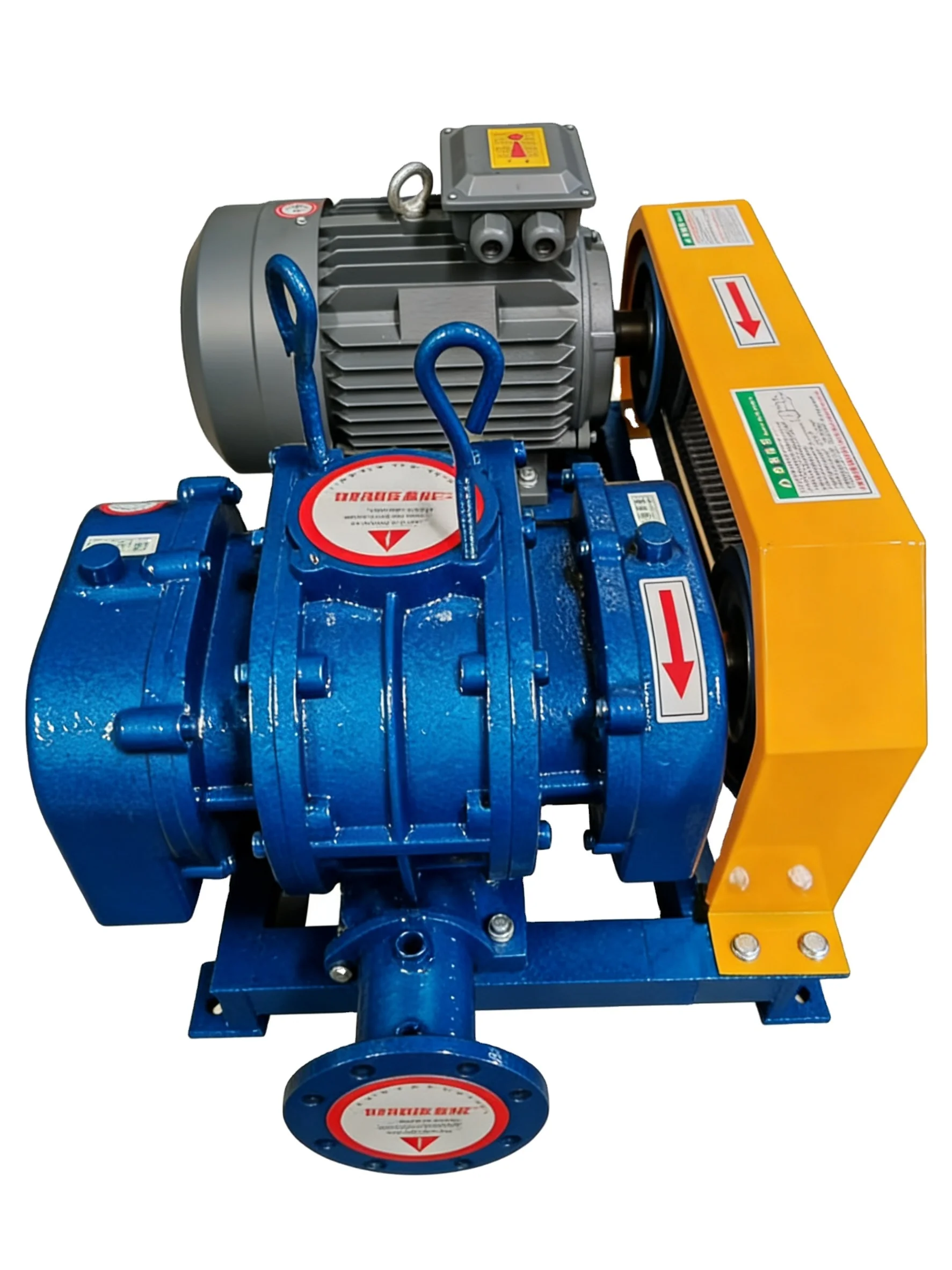
Operating noise remains one of the most challenging aspects of industrial air compression systems, particularly when using rotary equipment. A three lobe roots blower offers distinctive advantages in controlling sound levels compared to traditional centrifugal alternatives. Understanding how these positive displacement blower applications achieve lower noise output requires examining the fundamental design principles, operational mechanics, and maintenance practices that contribute to quieter performance in demanding industrial environments.
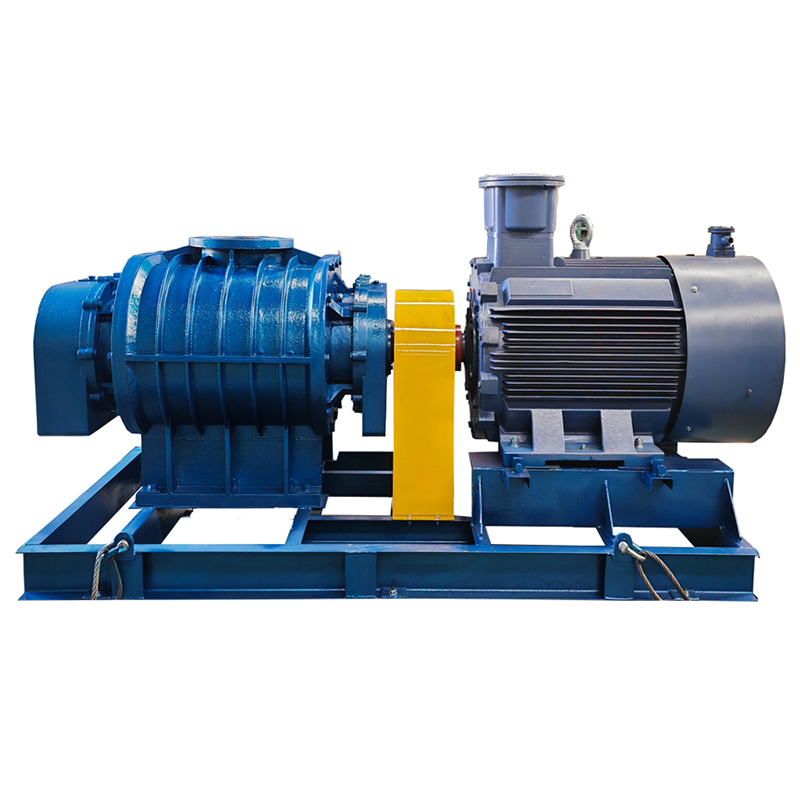
The engineering behind noise reduction in rotary lobe blower systems combines geometric precision, material selection, and operational optimization. When industrial facilities implement proper rotary lobe blower maintenance and troubleshooting protocols, they consistently achieve measurable reductions in acoustic emissions. This article explores the mechanical innovations that make three lobe roots blowers quieter, examining how design features, installation techniques, and preventive maintenance directly impact the noise signature of your industrial air compression system specifications.
Design Features That Minimize Operating Noise
Geometric Optimization in Three Lobe Configuration
The three lobe roots blower design inherently produces lower noise levels than two lobe alternatives due to its geometric configuration and operational frequency characteristics. Each lobe rotation generates pressure pulses at a higher frequency rate, which human perception registers as quieter despite total energy output. The three lobe arrangement distributes air displacement more uniformly throughout the compression cycle, reducing the severity of individual pressure spikes that characterize noisier positive displacement blower applications. This geometric advantage becomes particularly evident when comparing sound profiles in industrial air compression system specifications across different facility sizes and operational conditions.
The lobes themselves are engineered with precise tolerances and rounded profiles that minimize impact stress when they separate after compression strokes. This smooth geometric transition prevents the abrupt pressure releases that generate audible noise in less refined designs. Modern manufacturing standards ensure that each three lobe roots blower maintains consistent lobe geometry, which directly supports the acoustic performance documented in rotary lobe blower maintenance and troubleshooting guidelines. Facilities upgrading to contemporary designs typically report immediate improvements in workplace sound levels.
Material Selection and Vibration Damping
Advanced casting materials and internal surface treatments significantly reduce vibration transmission in three lobe roots blower systems. Cast iron remains the preferred material for rotary lobe blower applications, offering superior damping characteristics compared to aluminum alternatives. The mass distribution of cast iron naturally absorbs vibrational energy that would otherwise propagate through mounting structures and facility frameworks. When combined with precision balancing procedures specified in positive displacement blower applications documentation, material selection becomes a primary factor in achieving industrial air compression system specifications that emphasize acoustic performance.
Bearing selection also plays a critical role in noise reduction. Sealed roller bearings with optimized preload settings minimize radial and axial play, preventing the subtle grinding sounds that accumulate during continuous operation. Quality bearing installations, as outlined in rotary lobe blower maintenance and troubleshooting manuals, significantly impact the overall acoustic signature. Many industrial facilities discover that upgrading bearing specifications as part of preventive maintenance delivers substantial noise reductions without requiring complete equipment replacement.
Installation and Operational Techniques for Noise Control
Isolation Systems and Mounting Strategies
Proper installation of a three lobe roots blower directly influences noise transmission to surrounding areas and connected equipment. Elastomeric isolation pads positioned between the blower baseplate and foundation effectively decouple vibration from structural pathways. The selection of isolation material properties should match the frequency characteristics of your specific three lobe roots blower model to achieve maximum damping. Industrial facilities that implement engineered isolation systems as part of their positive displacement blower applications portfolio consistently demonstrate 10–15 decibel reductions compared to direct mounting installations.
Ductwork design represents another critical variable in managing noise propagation. Rigid connections amplify and transmit vibration through facility infrastructure, while flexible connectors interrupt these vibrational pathways. Proper alignment of inlet and discharge piping prevents unnecessary stresses on the rotary lobe blower frame. When industrial air compression system specifications include detailed installation protocols addressing these factors, operational noise remains within acceptable workplace ranges even in sensitive manufacturing environments.
Speed Control and Operational Optimization
Variable frequency drives enable precise control of three lobe roots blower rotational speed, directly modulating noise output according to actual demand. Noise generation in any rotary lobe blower application follows a non-linear relationship with speed, meaning small reductions in shaft rotation can yield disproportionate acoustic benefits. Modern industrial facilities increasingly implement demand-responsive operation through variable speed controllers, which simultaneously reduce noise while improving energy efficiency. This dual benefit makes speed optimization a primary consideration in contemporary positive displacement blower applications.
Intake silencers and discharge mufflers represent passive noise control approaches that complement active speed management. These components attenuate pressure pulsations and flow turbulence as air enters and exits the three lobe roots blower system. When specified correctly according to your industrial air compression system specifications, silencer selection ensures that acoustic energy is dissipated rather than amplified through the facility. Regular inspection of silencer components, as documented in rotary lobe blower maintenance and troubleshooting procedures, preserves their effectiveness throughout equipment service life.
Maintenance Practices Supporting Acoustic Performance
Preventive Maintenance for Sustained Noise Control
Rotary lobe blower maintenance and troubleshooting protocols directly impact acoustic performance throughout the equipment lifecycle. Regular bearing inspection and lubrication prevent the wear patterns that generate increasing noise over time. As three lobe roots blower bearings degrade, clearances increase, creating micro-impacts that elevate acoustic signatures. Implementing scheduled bearing replacement intervals specified in manufacturer documentation ensures that acoustic performance remains consistent across consecutive maintenance cycles.
Lobe surface inspection identifies wear patterns and coating degradation that compromise the acoustic advantages of precision geometry. Minor surface imperfections accumulate impact energy during compression cycles, generating audible noise that wasn't present in the new equipment. Precision machining and recoating services restore lobe surfaces to original specifications, effectively resetting acoustic performance. Facilities practicing comprehensive positive displacement blower applications maintenance report that periodic restoration services extend effective equipment life while maintaining noise control benefits.
Monitoring and Diagnostic Systems
Modern diagnostic equipment enables early detection of acoustic degradation in three lobe roots blower systems before noise becomes problematic. Vibration analysis and acoustic monitoring identify bearing wear, lobe surface damage, and seal degradation at incipient stages. Early intervention through targeted maintenance prevents catastrophic failures while preserving the noise control advantages of your industrial air compression system specifications. Establishing baseline acoustic measurements during commissioning provides reference points for detecting performance changes that indicate maintenance needs.
Real-time monitoring systems integrated into contemporary rotary lobe blower applications automatically alert facility personnel to acoustic anomalies that suggest impending maintenance requirements. These systems eliminate guesswork and prevent unnecessary equipment downtime by triggering maintenance interventions precisely when needed. Predictive maintenance approaches supported by acoustic monitoring represent the frontier of positive displacement blower applications management, delivering both noise control and operational reliability benefits simultaneously.
FAQ
What specific design features make three lobe roots blowers quieter than two lobe models?
Three lobe configurations generate pressure pulses at higher frequencies that human perception registers as quieter, despite comparable total energy output. The additional lobe distributes air displacement more uniformly throughout compression cycles, reducing the severity of individual pressure spikes. Rounded lobe profiles minimize impact stress during separation, preventing the abrupt pressure releases that create noise in less refined designs. These geometric advantages make the three lobe roots blower inherently suited to noise-sensitive industrial applications.
How does maintenance affect noise levels in positive displacement blower applications?
Regular rotary lobe blower maintenance and troubleshooting prevents the wear patterns that cause noise to increase over time. Bearing degradation, lobe surface wear, and seal failures all elevate acoustic signatures as equipment ages. Scheduled inspections, bearing replacements, and surface restoration restore a three lobe roots blower to factory acoustic performance levels. Facilities implementing comprehensive preventive maintenance protocols consistently maintain lower noise signatures than those using reactive repair approaches.
Can variable speed operation reduce noise from three lobe roots blowers?
Yes, variable frequency drives enable precise control of three lobe roots blower rotational speed, directly modulating noise output according to demand. Noise generation follows a non-linear relationship with speed, meaning small reductions in shaft rotation yield disproportionate acoustic benefits. Modern industrial air compression system specifications increasingly incorporate demand-responsive speed control, which simultaneously reduces noise and improves energy efficiency. This approach represents best practice for facilities seeking to optimize both acoustic and operational performance.