
 EN
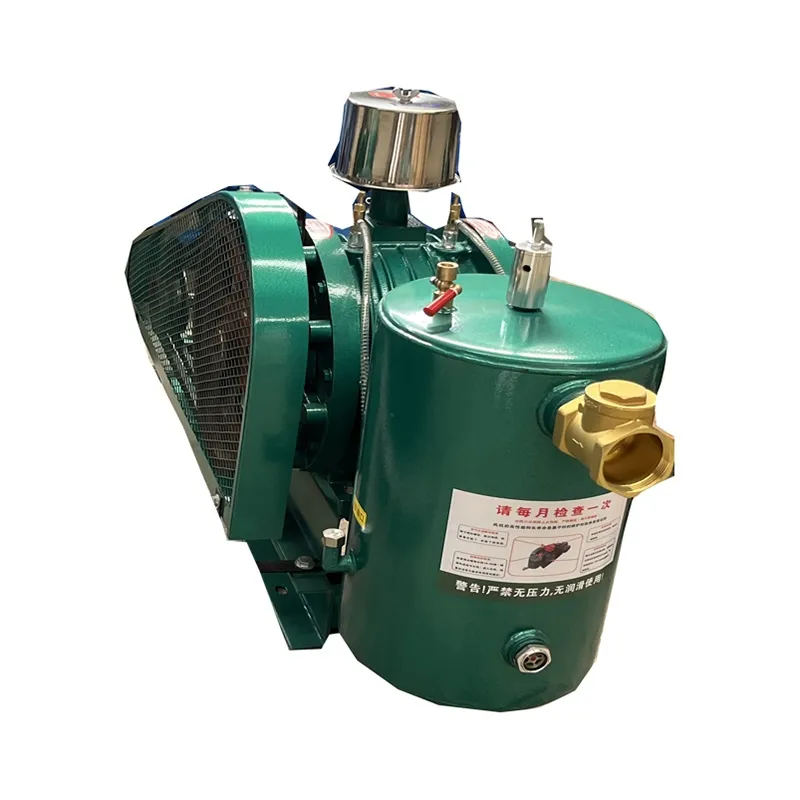
Choosing the right positive displacement blower is a critical decision that directly impacts operational efficiency, maintenance costs, and production reliability across industrial facilities. Whether your operation involves wastewater treatment, pneumatic conveying, aeration, or process air supply, the blower you select must match precise performance parameters, environmental conditions, and long-term reliability expectations. Many companies overlook the systematic evaluation process required to identify the optimal solution, leading to undersized equipment that cannot meet demand, oversized systems that waste energy, or failures that disrupt production schedules.
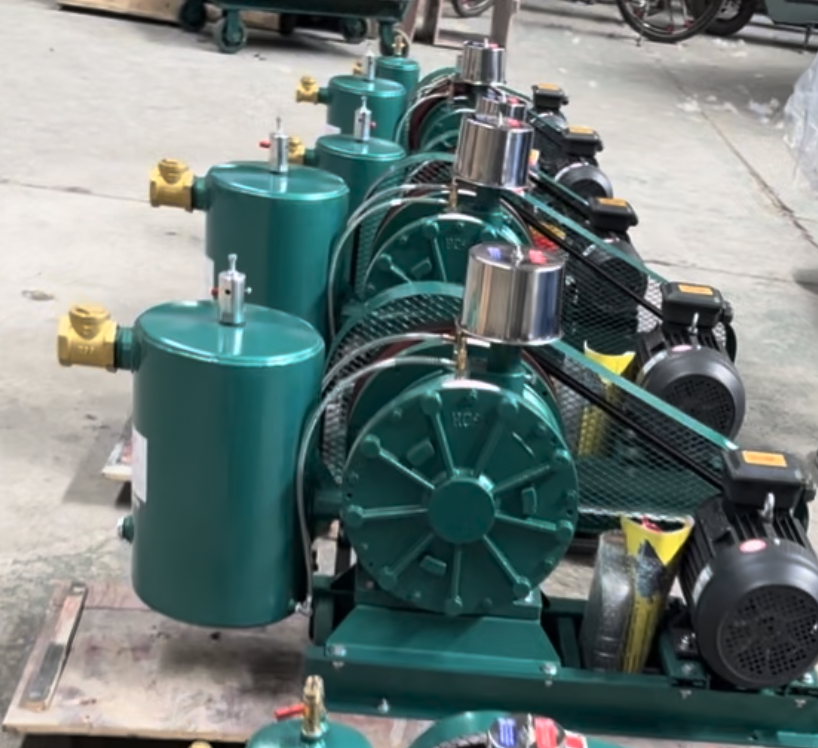
The process of selecting an appropriate positive displacement blower requires understanding your facility's specific demands, the blower technologies available, and how different design characteristics affect performance and total cost of ownership. A systematic selection methodology ensures you invest in equipment that delivers consistent performance, minimizes unexpected downtime, and aligns with your operational budget and environmental regulations.
Understanding Your Facility's Air Flow and Pressure Requirements
Calculating Accurate Flow Demand
The foundation of any positive displacement blower selection begins with precisely calculating your facility's air flow requirements, measured in cubic feet per minute (CFM) or cubic meters per hour. Review your process documentation, production rates, and peak demand periods to establish baseline flow needs. A positive displacement blower delivers consistent volumetric output regardless of downstream pressure fluctuations, making it essential to know both average and peak consumption rates across your operation. Undersizing the blower creates bottlenecks and reduces production capacity, while oversizing leads to excessive energy consumption and unnecessary operational costs.
Determining Pressure Rating and System Resistance
Pressure requirements depend on your specific application and system configuration. In wastewater aeration, for example, the positive displacement blower must overcome submergence depth, diffuser resistance, and piping friction losses. Pneumatic conveying applications demand higher pressure to transport material through ducts and equipment. Calculate total system resistance, including pipe friction, filter pressure drops, and equipment inlet resistance, to establish the minimum pressure rating your blower must maintain. Selecting a blower rated for your maximum system pressure ensures consistent performance across varying operating conditions.
Evaluating Positive Displacement Blower Types and Technologies
Rotary Lobe Versus Screw Design Characteristics
The positive displacement blower market offers two dominant technologies: rotary lobe designs and rotary screw designs, each with distinct performance profiles and operational characteristics. Rotary lobe blowers deliver pulsating flow but offer simpler maintenance and robust performance across wide temperature ranges, making them ideal for many industrial applications. Screw-type positive displacement blowers provide smoother, continuous flow with higher pressure capabilities and better efficiency at elevated pressures, though they often require more specialized maintenance expertise. Your choice between these designs depends on your noise sensitivity, pressure range, temperature environment, and maintenance resource availability.
Considering Motor Power and Drive Configuration
Motor selection significantly impacts the positive displacement blower's operating cost and flexibility. Direct-drive designs minimize mechanical losses and reduce component count, while belt-drive configurations allow speed adjustment through pulley changes and offer better shock load protection. Variable frequency drives (VFDs) enable demand-responsive operation, reducing energy consumption during lower-demand periods. Evaluate your facility's electrical infrastructure, available space, and frequency variation to determine whether fixed-speed, belt-driven, or VFD-equipped configurations best suit your operation. Energy efficiency improvements from proper motor selection often recover equipment costs within three to five years through reduced electricity consumption.
Assessing Installation, Maintenance, and Total Cost Considerations
Evaluating Space Availability and Integration Constraints
Physical space requirements and installation constraints significantly influence positive displacement blower selection. Rotary lobe designs typically occupy less floor space than equivalent screw-type units, while motor positioning, intake/discharge orientation, and access for routine maintenance affect facility layout planning. Vibration isolation mounts, sound enclosures, and piping arrangements all consume additional space and impact total installation cost. Site visits and detailed equipment drawings help ensure the selected positive displacement blower integrates seamlessly into your existing system without costly retrofitting or modifications to surrounding infrastructure.
Planning Maintenance Requirements and Supply Chain Access
Long-term equipment reliability depends on your organization's ability to maintain the positive displacement blower and access replacement parts when needed. Different blower designs require varying maintenance intervals and specialized tools or expertise. Establish relationships with equipment suppliers who offer reliable spare parts availability, technical support, and service capabilities in your region. Consider whether internal maintenance staff can handle routine servicing or whether you need vendor-provided preventive maintenance contracts. A positive displacement blower operating in critical applications often justifies higher upfront investment in designs known for durability and widespread parts availability.
FAQ
What factors most strongly influence positive displacement blower selection?
The most critical factors include your facility's required air flow rate (CFM or m³/h), maximum system pressure, temperature environment, noise constraints, available space, and maintenance capabilities. Accurately calculating these demands ensures your positive displacement blower matches your operation's actual needs rather than generic industry assumptions. Applications with variable demand patterns benefit from VFD-equipped units, while continuous-duty operations may prefer simpler, lower-cost fixed-speed designs.
How does a positive displacement blower differ from centrifugal blowers in practical applications?
A positive displacement blower delivers constant volumetric flow regardless of downstream pressure changes, making it ideal for low-pressure, high-volume applications like aeration and pneumatic conveying. Centrifugal blowers excel at higher pressures but provide less consistent flow when system resistance varies. The positive displacement blower's predictable performance and ability to start under load make it preferable for most industrial wastewater treatment and material handling applications where pressure fluctuations must not affect process reliability.
What maintenance schedule should I establish for my positive displacement blower?
Most manufacturers recommend quarterly or semi-annual preventive maintenance, including oil changes, belt inspection, and vibration monitoring for rotary designs. The positive displacement blower's specific maintenance needs depend on operating hours, environmental contamination, and manufacturer specifications. Establishing predictive maintenance through vibration analysis and temperature monitoring can identify problems before they cause failures, extending equipment life and reducing emergency repair costs significantly.