
 EN
EN
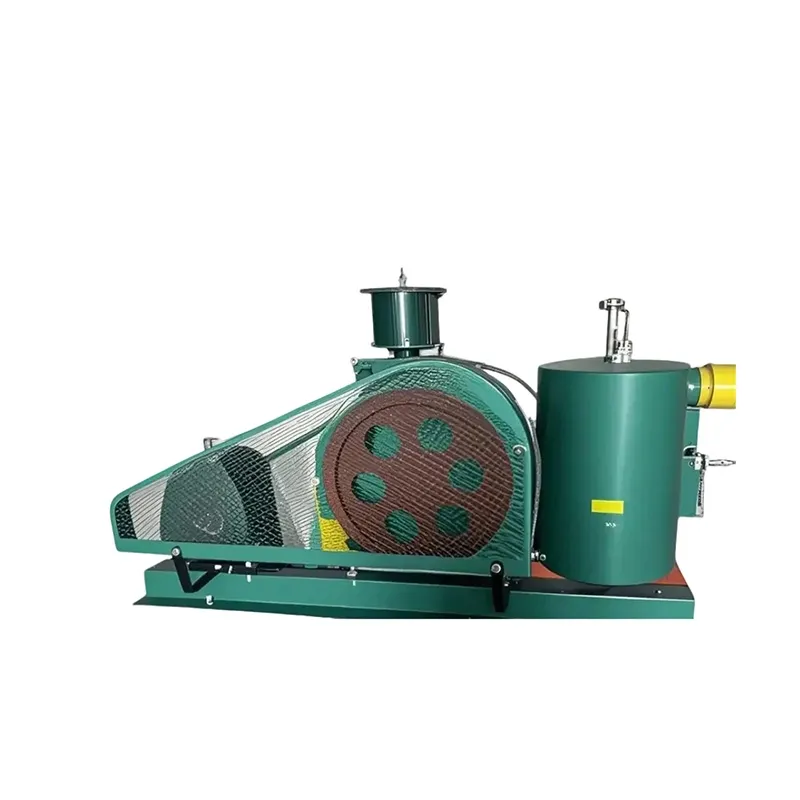
Knowing when to upgrade your aeration blower is critical to maintaining efficient pond and wastewater treatment operations. Many facility managers delay equipment decisions until catastrophic failure occurs, leading to costly downtime and treatment disruptions. However, strategic timing of equipment upgrades can prevent emergency shutdowns, reduce long-term operational costs, and improve treatment quality. Understanding the key indicators that signal an upgrade is needed helps operators maintain consistent performance while avoiding unnecessary capital expenditure. This guide explores the practical triggers for aeration blower replacement and helps you make data-driven decisions about your wastewater treatment infrastructure.
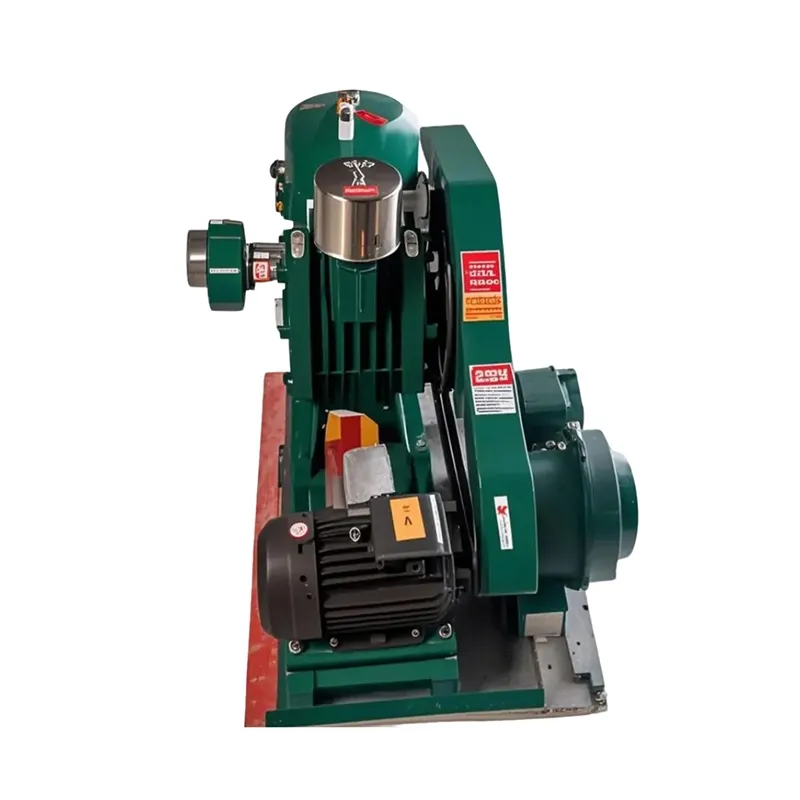
An aging aeration blower continues to consume energy while delivering diminishing results, making operational inefficiency one of the most overlooked upgrade triggers. As internal components wear, flow rates decline and energy consumption climbs, creating a financial penalty that compounds monthly. A modern rotary lobe blower operates at significantly higher efficiency levels, often recovering its capital cost through energy savings within two to three years. Beyond energy performance, newer wastewater treatment blower technology offers improved reliability, lower noise levels, and better environmental compliance. The decision to upgrade should balance current equipment lifespan, repair history, energy costs, and treatment capacity requirements against the benefits of modern equipment.
Performance Degradation and Efficiency Loss
Declining Oxygen Transfer Rates
One of the earliest signs that your aeration blower requires an upgrade is noticeable decline in dissolved oxygen levels within treatment basins. When the pond aeration system fails to maintain target oxygen concentrations despite increased run times, the blower has likely experienced internal wear that restricts flow capacity. Operators often notice this trend gradually—treatment targets that once required eight hours of blower operation now demand ten or twelve hours to achieve identical results. This performance degradation directly impacts treatment efficacy and shifts operational schedules toward longer, less efficient cycles. Testing oxygen transfer rates at standard pressure provides objective data to compare against original equipment specifications and quantifies the performance loss driving your upgrade decision.
Rising Energy Consumption
Electrical consumption typically increases 15 to 30 percent as an aeration blower ages, even when delivery volume remains constant. This phenomenon occurs because worn impellers, bearing surfaces, and seals create internal friction and leakage pathways that demand more motor effort to move the same volume of air. A wastewater treatment blower that once consumed 50 kilowatts to deliver required airflow may creep toward 65 or 70 kilowatts over five to eight years of operation. Modern rotary lobe blower designs incorporate tighter tolerances, advanced materials, and optimized geometry that reduce parasitic losses and deliver the same treatment capacity with 20 to 40 percent lower power draw. When monthly utility bills show consistent increase despite stable operating schedules, energy efficiency becomes a compelling financial driver for equipment replacement.
Reliability Concerns and Maintenance Frequency
Increasing Repair Costs and Downtime
Once maintenance expenses begin approaching 10 to 15 percent of original equipment cost annually, replacement economics shift decisively toward new equipment. A failing aeration blower generates recurring repair calls, emergency service visits, and unplanned replacement part orders that accumulate quickly in operational budgets. Seal replacements, bearing refurbishment, and impeller repairs on aging equipment become increasingly frequent as internal wear accelerates exponentially. Beyond direct repair costs, unplanned downtime disrupts treatment schedules and creates environmental compliance risks that threaten facility certifications and regulatory standing. When your service technician begins suggesting major overhauls rather than routine maintenance, the reliability foundation has eroded sufficiently to justify equipment upgrade.
Spare Parts Availability and Support
Older aeration blower models sometimes experience supply chain challenges when replacement components become scarce or discontinued by manufacturers. A wastewater treatment blower from ten or fifteen years ago may require extended lead times to source specific internal parts, creating extended outage periods during repairs. Manufacturers often reduce support for legacy equipment lines as engineering focus shifts toward newer platforms with broader market appeal. This support erosion leaves facilities vulnerable to extended downtime precisely when component failure occurs unexpectedly. Upgrading to a current-generation rotary lobe blower ensures access to readily available parts, documented technical support, and manufacturer backing that simplifies troubleshooting and reduces response times during equipment issues.
Capacity Requirements and Operational Expansion
Treatment Volume Growth and Demand Increase
Facilities experiencing growth in treatment volume or expanded operational scope often find existing aeration equipment inadequate for new processing demands. A pond aeration system sized for historical flow rates operates at maximum capacity with no headroom for seasonal variations or future expansion. Rather than continuously running equipment at full load—a practice that accelerates internal wear—upgrading to higher-capacity equipment provides operational flexibility and maintains equipment within optimal efficiency ranges. New rotary lobe blower technology enables facilities to handle increased throughput while maintaining superior energy efficiency compared to continuously straining older equipment. Capacity expansion decisions require careful analysis of current demand, projected growth timelines, and the relationship between equipment sizing and operational cost.
Regulatory Compliance and Environmental Standards
Evolving environmental regulations increasingly demand higher treatment standards and tighter oxygen control than older wastewater treatment blower systems can reliably deliver. Modern regulatory frameworks often specify dissolved oxygen minimums, shock load capacity, and treatment variability limits that aging equipment cannot consistently meet. Newer aeration blower designs incorporate advanced controls, variable frequency drive compatibility, and pressure regulation capabilities that enable precise oxygen management and automated response to changing treatment demands. Facilities facing regulatory updates or compliance audits frequently discover their existing equipment lacks the precision and responsiveness required by contemporary standards. Proactive equipment upgrades position facilities ahead of regulatory tightening and eliminate emergency replacement circumstances driven by compliance failures.
FAQ
How long does a typical aeration blower last before upgrade becomes necessary?
Most industrial aeration blower equipment operates effectively for eight to twelve years under normal operating conditions with routine maintenance. However, upgrade timing depends heavily on utilization intensity, maintenance quality, operating environment, and specific equipment design rather than calendar age alone. A pond aeration system operating in harsh conditions or running continuously at maximum capacity may require replacement within five to seven years, while lightly used equipment in favorable environments might function reliably for fifteen years. Rather than following rigid age-based replacement schedules, focus on monitoring performance metrics, maintenance costs, and energy consumption to identify upgrade timing specific to your operational context.
What is the typical return on investment for upgrading to a modern rotary lobe blower?
Energy savings from modern rotary lobe blower technology typically recover equipment capital costs within two to four years, depending on facility scale, current energy tariffs, and existing equipment efficiency. Beyond energy recovery, reduced maintenance expenses, extended equipment lifespan, and improved treatment reliability provide additional financial benefits throughout the equipment lifecycle. Many facilities experience total cost of ownership reductions of 30 to 50 percent over ten years when comparing modern equipment to aging systems requiring frequent repairs. Enhanced treatment quality and regulatory compliance benefits add qualitative value that extends beyond direct financial calculations but strengthens long-term operational sustainability.
Can variable frequency drives improve existing aeration blower performance and delay upgrades?
Variable frequency drive technology can provide modest efficiency improvements to existing wastewater treatment blower equipment by enabling speed modulation to match actual treatment demand. However, aging blower hardware still operates with inherent efficiency disadvantages regardless of speed control sophistication, and internal wear typically limits achievable efficiency gains. VFD retrofits address operational flexibility more effectively than fundamental performance degradation, making them better suited as complementary improvements rather than primary upgrade alternatives. For severely worn equipment or applications requiring significant efficiency improvement, combining VFD technology with new modern rotary lobe blower installation delivers substantially superior performance compared to retrofitting controls alone.