
 EN
EN
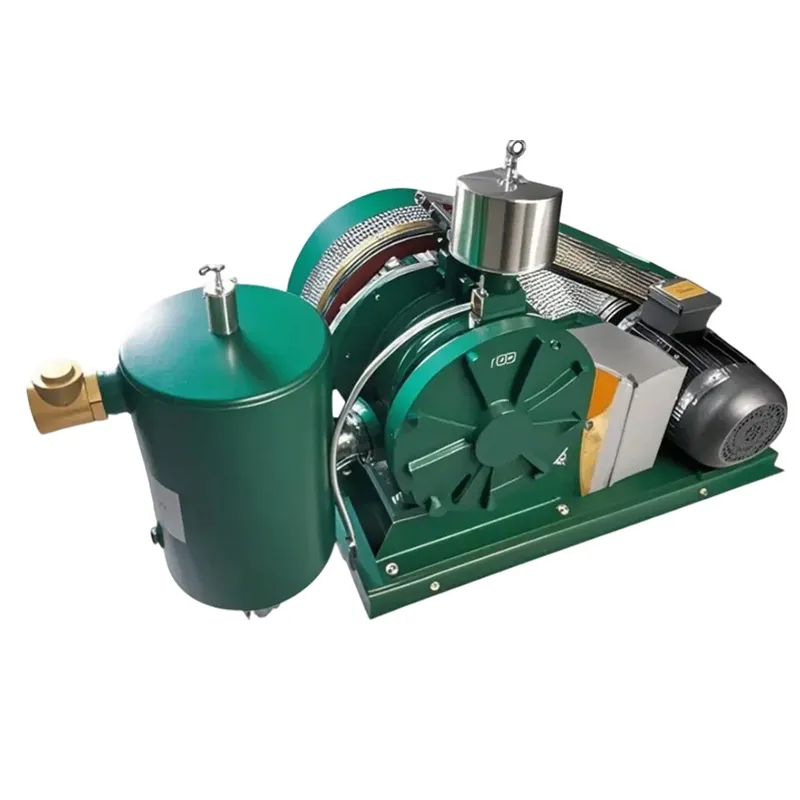
Water treatment facilities face constant pressure to improve efficiency, reduce operational costs, and meet strict environmental standards. The quality of air delivery systems directly impacts treatment outcomes, which is why choosing the right equipment matters significantly. An aeration blower serves as the backbone of modern treatment processes, delivering essential oxygen to biological treatment systems where microorganisms break down contaminants. Understanding how these devices work and their role in treatment processes helps facility managers make informed decisions about their infrastructure investments.
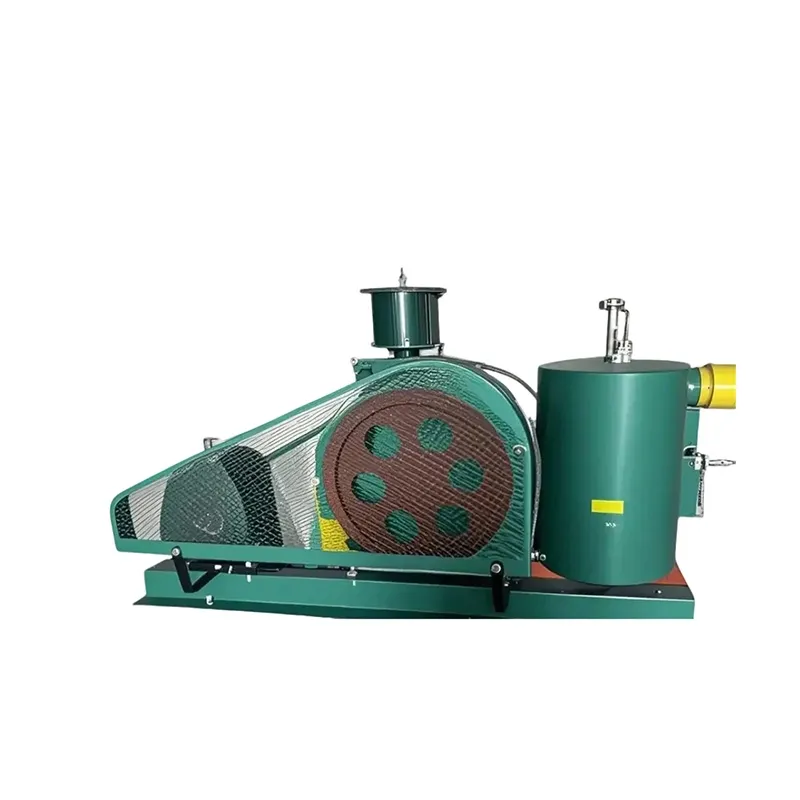
Treatment effectiveness depends on oxygen transfer efficiency, which directly correlates to the performance of aeration equipment. Modern wastewater treatment air supply systems utilize advanced compression technology to maximize gas transfer while minimizing energy consumption. Facilities that implement high-quality pond aeration systems experience improved treatment rates, reduced processing times, and lower operational expenses. The relationship between blower design and treatment success has become increasingly critical as regulatory requirements tighten and treatment demands grow.
Core Mechanisms of Aeration Technology
Oxygen Transfer and Biological Activity
Aeration blowers drive dissolved oxygen into treatment tanks where microorganisms consume it during the decomposition of organic matter. When an aeration blower supplies consistent, high-quality airflow, beneficial bacteria maintain peak metabolic activity, accelerating the treatment process. The amount of oxygen transferred depends on blower capacity, diffuser design, and tank configuration. Facilities using a high volume low pressure blower achieve superior oxygen saturation levels compared to older, less efficient systems. This enhanced transfer capability enables faster contaminant removal and more thorough treatment across multiple stages.
Pressure-Flow Dynamics in Treatment Basins
An effective aeration blower must balance pressure and volume to suit specific treatment basin dimensions and depth. High volume low pressure blower technology produces large air volumes at modest pressures, ideal for shallow treatment tanks and pond aeration systems. The design prevents excessive pressure drop while ensuring uniform gas distribution throughout treatment zones. Diffuser placement and blower specifications work together to create optimal circulation patterns. When these elements align, wastewater treatment air supply becomes more reliable and cost-effective.
Applications Across Treatment Scenarios
Municipal Wastewater Treatment Facilities
Municipal treatment plants rely heavily on robust aeration blower systems to handle daily flows from thousands of users. These facilities operate continuously, demanding equipment that delivers consistent performance year-round without interruption. Pond aeration systems integrated into municipal networks help reduce odors, prevent stratification, and improve overall water quality. The selection of appropriate wastewater treatment air supply equipment directly affects treatment capacity and compliance with discharge standards. Facility engineers increasingly specify high volume low pressure blower models because they provide superior energy efficiency and reliability during peak flow periods.
Industrial Process Water and Pretreatment Applications
Food processing, pharmaceuticals, and chemical manufacturing facilities generate process water requiring specialized treatment before discharge. These operations demand aeration blower systems capable of handling variable flow rates and challenging contaminant profiles. An aeration blower tailored for industrial applications must withstand fluctuating demand while maintaining consistent oxygen transfer rates. Pond aeration systems designed for industrial use often incorporate pressure relief and filtration features to extend equipment life. High volume low pressure blower technology proves particularly valuable in these applications because it provides flexibility without sacrificing reliability or energy efficiency.
Small-Scale and Decentralized Treatment Systems
Rural communities, small municipalities, and remote facilities increasingly adopt decentralized treatment approaches using pond aeration systems. These installations require affordable, durable equipment that operates reliably with minimal maintenance expertise on-site. An aeration blower designed for small-scale deployment must be compact yet powerful enough to handle design flows. Wastewater treatment air supply for these applications emphasizes energy efficiency and long service intervals. High volume low pressure blower designs suit this market well because they combine simplicity with proven performance.
Performance Optimization and Maintenance Considerations
Energy Consumption and Operational Cost Impact
Aeration equipment typically accounts for 40 to 60 percent of total energy costs in wastewater facilities, making equipment selection critically important. A properly chosen aeration blower reduces energy per unit of oxygen transferred, directly lowering monthly operational expenses. Facilities that upgrade to high volume low pressure blower systems often report 20 to 30 percent energy savings compared to older centrifugal alternatives. Pond aeration systems designed with efficiency in mind deliver superior oxygen transfer per kilowatt consumed. Wastewater treatment air supply engineers increasingly focus on specific power consumption metrics to justify capital investments.
Reliability and Maintenance Strategy
Treatment facilities cannot afford unexpected downtime, requiring aeration blower equipment with proven reliability records. Regular maintenance including filter changes, bearing inspection, and vibration monitoring extends service life significantly. High volume low pressure blower technology typically features simpler internal mechanisms than alternatives, reducing maintenance complexity. Pond aeration systems benefit from standardized service procedures and readily available replacement parts. Selecting wastewater treatment air supply equipment with strong manufacturer support and technical documentation minimizes unexpected failures and emergency repair costs.
FAQ
What distinguishes a high volume low pressure blower from other aeration equipment designs?
A high volume low pressure blower delivers large air volumes at modest pressures, typically below 15 psi, making it ideal for shallow basins and pond aeration systems. This design contrasts with centrifugal blowers that operate at higher pressures but lower volumes. High volume low pressure blower technology proves more energy-efficient for most wastewater treatment applications and generates less heat during operation. The simpler internal design also means fewer maintenance requirements and lower parts costs over the equipment lifetime.
How does proper aeration blower sizing affect treatment facility performance?
Oversizing an aeration blower wastes energy and creates excessive pressure that damages diffusers and wastes oxygen transfer potential. Undersizing creates insufficient oxygen transfer, slowing treatment and risking permit violations. Correct sizing based on flow rate, basin volume, and treatment process ensures optimal oxygen delivery with minimal wasted energy. An aeration blower matched precisely to facility requirements maximizes wastewater treatment air supply efficiency and minimizes operational costs. Engineers use oxygen transfer rate calculations and basin residence time analysis to determine proper high volume low pressure blower specifications.
Can pond aeration systems be retrofitted into existing treatment facilities?
Yes, pond aeration systems can be retrofitted into many existing facilities, though structural modifications may be required. Upgrading to a modern aeration blower often improves treatment efficiency and reduces energy costs justifying the retrofit investment. Compatibility between the new wastewater treatment air supply equipment and existing diffusers, piping, and basin configuration must be verified before installation. A qualified engineer should assess site conditions and recommend the appropriate high volume low pressure blower specification for successful retrofit implementation.