
 EN
EN
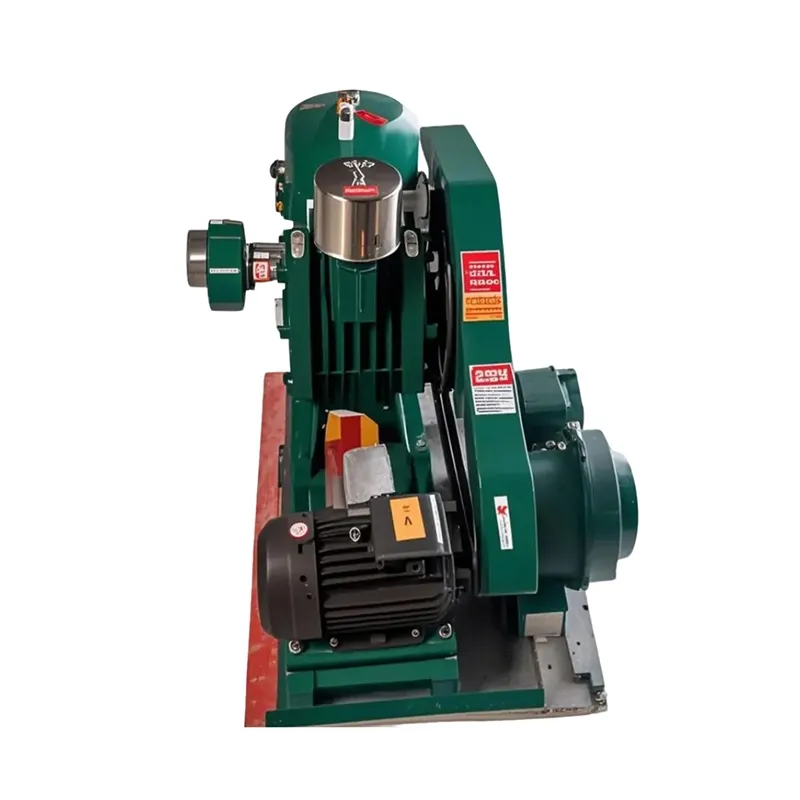
An aeration blower is a critical component in pond management and wastewater treatment processes. Proper maintenance directly determines how long your equipment will operate reliably and cost-effectively. Many facility operators overlook routine maintenance schedules, leading to unexpected failures, reduced efficiency, and expensive repairs. Understanding the fundamentals of aeration blower care ensures your pond aeration system and wastewater treatment equipment remain in optimal condition throughout their operational lifespan.
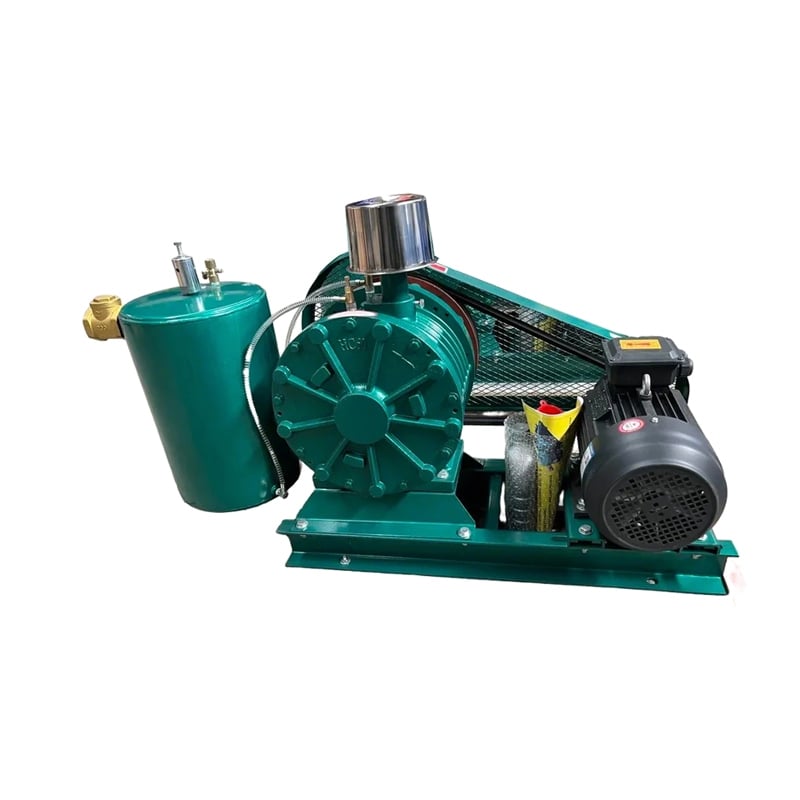
Maintaining your aeration blower involves a combination of preventive inspections, regular lubrication, filter management, and performance monitoring. A well-maintained pond aeration system not only extends equipment life but also improves water quality outcomes, reduces energy consumption, and minimizes environmental compliance issues. This guide covers the essential maintenance practices that industrial and municipal operators must implement to protect their investment in wastewater treatment equipment and ensure consistent system performance.
Routine Inspection and Monitoring
Visual and Performance Checks
Begin each maintenance cycle with a comprehensive visual inspection of your aeration blower and the entire pond aeration system. Look for signs of oil leaks, unusual vibration patterns, corrosion on metal surfaces, and loose fasteners. Listen carefully for abnormal sounds such as grinding, rattling, or high-pitched squealing, which indicate bearing wear or misalignment. Document baseline performance metrics including pressure readings, flow rates, and motor current draw so you can identify deviations that signal maintenance needs.
Regular performance monitoring helps catch problems before they escalate into costly failures. Install pressure gauges and flow meters at key points in your pond aeration system to track operational parameters. Most wastewater treatment equipment manufacturers specify normal operating ranges for these metrics. If readings drift outside acceptable ranges, investigate the root cause immediately. Common culprits include clogged air diffuser installation filters, bearing wear, or internal component degradation.
Bearing and Seal Assessment
Bearings and seals are the most critical wear points in an aeration blower. Check bearing temperature during operation using an infrared thermometer; abnormally high temperatures indicate lubrication failure or bearing degradation. Inspect mechanical seals for signs of leakage around shaft penetrations. A small amount of weeping is normal, but steady dripping requires immediate seal replacement. Timely seal maintenance prevents oil contamination and extends the overall life of your pond aeration system.
Lubrication and Oil Management
Oil Change Schedule and Selection
Follow the manufacturer's recommended oil change intervals for your aeration blower, typically every 2,000 to 8,000 operating hours depending on duty cycle and ambient conditions. Use only the specified oil grade and type to ensure proper viscosity and protection. Dirty or degraded oil loses its ability to protect moving parts, accelerating bearing wear and reducing bearing life dramatically. Track oil changes in a maintenance log to avoid missed intervals.
When changing oil, also inspect the sump strainer and drain plug for metal particles, which indicate internal wear. Excessive metal content may suggest bearing damage or gear tooth deterioration within your wastewater treatment equipment. If contamination is severe, consider a professional inspection before returning the aeration blower to service. Many operators use oil analysis programs to monitor wear trends and optimize change intervals, providing data-driven maintenance planning.
Oil Level Monitoring
Check oil level weekly or before extended operation periods. Low oil levels reduce lubrication effectiveness and increase friction within the aeration blower. Most units have sight glass windows or dipsticks for easy level verification. Top off with the correct oil type if levels drop between scheduled changes, but investigate persistent low levels as they may signal seal leakage or internal wear. Maintaining proper oil levels is one of the simplest yet most important ways to preserve your pond aeration system and extend wastewater treatment equipment life.
Filter Maintenance and Air Quality Control
Inlet Filter Replacement
The inlet filter protects your aeration blower from dust, debris, and contamination that could damage internal components. A clogged inlet filter forces the motor to work harder, consuming more energy and shortening equipment life. Most manufacturers recommend checking inlet filters monthly and replacing them when pressure drop across the filter exceeds manufacturer specifications. In dusty or high-pollen environments, more frequent replacement may be necessary. Clean filters are essential for efficient operation of any pond aeration system and wastewater treatment equipment configuration.
Air Diffuser Installation and Related Maintenance
Air diffuser installation quality directly impacts overall system performance and aeration blower longevity. Undersized or improperly positioned diffusers create excessive back-pressure, forcing the blower to work at elevated discharge pressures and shortening bearing and seal life. Ensure all diffuser connections are tight and properly supported to prevent vibration transmission to the blower housing. Over time, biofilm and mineral deposits accumulate on diffuser surfaces, increasing system resistance and blower workload. Regular cleaning or replacement of diffusers maintains optimal pressure conditions and protects your investment in wastewater treatment equipment.
Preventive Maintenance Planning
Documentation and Record Keeping
Establish a formal maintenance log for each aeration blower in your facility. Record oil change dates, filter replacements, inspection findings, performance readings, repairs, and any adjustments made. This documentation creates a historical record that helps identify patterns and predict future maintenance needs. Many operators use computerized maintenance management systems to automate reminders and track spare parts inventory. A well-documented aeration blower history demonstrates compliance with regulatory requirements and supports warranty claims if needed.
Seasonal and Environmental Considerations
Environmental conditions significantly impact aeration blower maintenance intervals. Cold climates may require oil viscosity adjustments and more frequent bearing inspections, while hot, humid environments accelerate corrosion and component degradation. High-dust locations need more frequent inlet filter changes. Consider these factors when scheduling maintenance for your pond aeration system and wastewater treatment equipment. Facilities near saltwater or corrosive industrial environments should implement additional protective coatings on external surfaces to prevent rust and extend service life.
Develop a detailed annual maintenance plan that accounts for seasonal peaks in system demand. Plan major overhauls during low-demand periods when shutdowns have minimal operational impact. Coordinate maintenance activities with weather patterns and water quality cycles specific to your facility. Adequate planning ensures your aeration blower remains reliable year-round and supports continuous wastewater treatment equipment performance without unexpected interruptions.
FAQ
How often should I service an aeration blower?
Service intervals depend on operating hours and duty cycle. Most manufacturers recommend oil changes every 2,000 to 8,000 operating hours, inlet filter checks monthly, and bearing inspections quarterly. High-duty applications or harsh environments may require more frequent service. Consult your equipment manual for specific recommendations tailored to your pond aeration system and wastewater treatment equipment configuration.
What are the signs that my aeration blower needs maintenance?
Common warning signs include unusual vibration or noise, elevated discharge pressure, reduced flow rates, oil leaks, bearing temperature increases, and decreased system performance. If your pond aeration system shows any of these symptoms, shut down the unit and investigate before continuing operation. Early intervention prevents catastrophic failures and costly downtime in wastewater treatment equipment operations.
Can I extend my aeration blower's lifespan with preventive maintenance?
Yes, consistent preventive maintenance can significantly extend aeration blower life. Proper lubrication, timely filter replacement, bearing inspections, and seal monitoring reduce internal wear and prevent unexpected failures. Many operators report adding 50% or more to equipment lifespan through diligent maintenance protocols. This proactive approach to pond aeration system and wastewater treatment equipment care provides excellent return on maintenance investment.