
 EN
EN
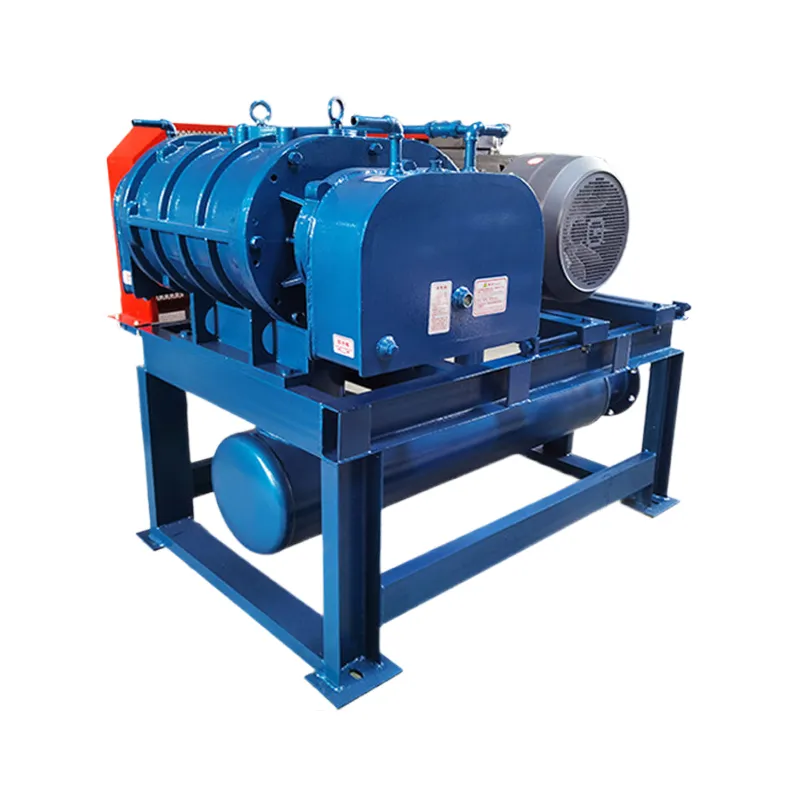
An industrial roots blower represents a critical component in many manufacturing, wastewater treatment, and pneumatic conveying operations. These positive displacement machines generate consistent airflow and pressure for essential applications across industries. However, like all mechanical equipment, an industrial roots blower requires disciplined maintenance practices to maximize service life, prevent unexpected downtime, and protect your capital investment.
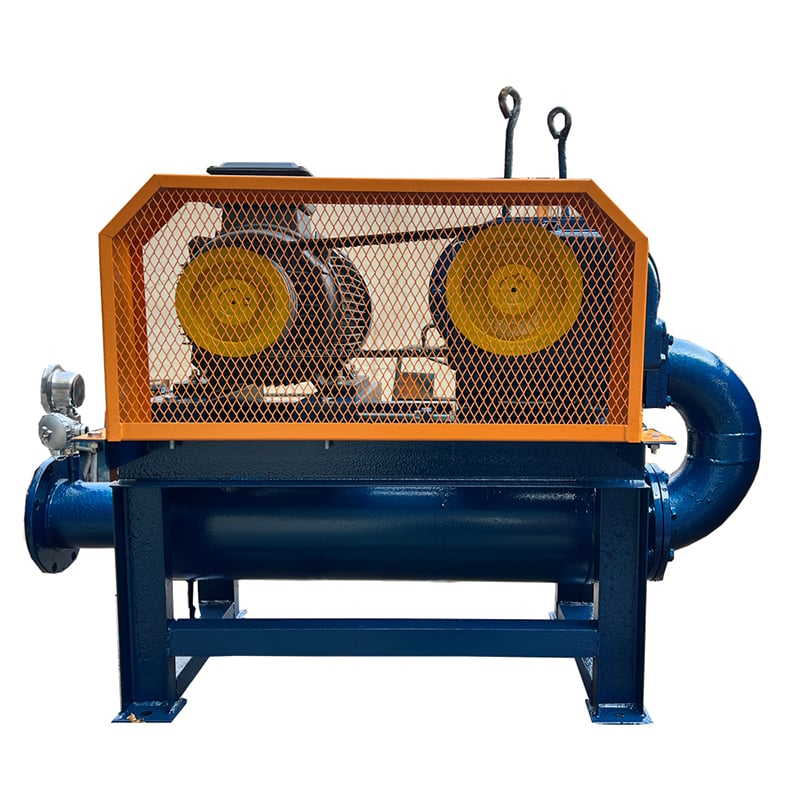
Extending the operational life of rotary lobe blower specifications depends on systematic attention to lubrication schedules, wear pattern monitoring, temperature control, and seal condition assessment. Organizations that implement proactive maintenance strategies report significantly longer equipment reliability and lower total cost of ownership. This article explores the key maintenance practices that protect your industrial air compression systems investment and ensure sustained performance over years of continuous operation.
Lubrication and Oil Management for Sustained Performance
Selecting the Right Lubricant Grade
Proper lubrication stands as the foundation of any effective maintenance program for positive displacement blower applications. The lubricant must provide adequate film strength between rotating lobes while maintaining viscosity across the temperature range your industrial roots blower experiences during operation. Manufacturer specifications typically prescribe specific ISO viscosity grades, and deviating from these recommendations can accelerate bearing wear and lobe contact stress.
Temperature variations directly influence lubricant performance in industrial air compression systems. During summer months or in high-ambient facilities, lighter oils may become too thin, compromising the protective oil film. Conversely, winter conditions or cooler ambient environments may cause heavier grades to exceed acceptable viscosity ranges. Selecting multi-grade lubricants rated for your operational envelope ensures consistent film strength and protection year-round.
Oil Change Intervals and Contamination Prevention
Rotary lobe blower specifications typically recommend oil changes every 500 to 1,000 operating hours, depending on environmental conditions and application intensity. However, contamination levels often dictate actual change intervals more reliably than time-based schedules. Particulate matter, moisture ingress, and oxidation byproducts degrade lubricant effectiveness far faster than simple aging, making condition-based oil monitoring essential for positive displacement blower applications.
Implementing proper intake filtration prevents dirt and dust from entering the industrial roots blower case and contaminating the oil. Multi-stage air filters rated for your application's particle size distribution significantly extend oil life and reduce maintenance frequency. Regular filter inspections during preventive maintenance cycles identify rising differential pressures that signal filter saturation and imminent replacement needs.
Temperature Control and Thermal Management
Monitoring Discharge and Case Temperatures
Excessive heat accelerates bearing degradation and oxidizes lubricant, dramatically shortening service intervals for an industrial roots blower. Most equipment incorporates temperature monitoring at the discharge outlet and bearing case locations. Establishing baseline thermal signatures during normal operation allows maintenance teams to detect rising trends that indicate developing mechanical issues before catastrophic failure occurs.
For industrial air compression systems operating in elevated ambient conditions or continuous duty cycles, coolers integrated into the discharge line prevent thermal runaway. These devices remove compression heat before the air enters downstream applications or storage, protecting the rotary lobe blower specifications from temperature excursions that compromise seal integrity and lubricant viscosity. Regular cooler maintenance, including fin cleaning and internal passageway flushing, sustains heat rejection efficiency.
Seasonal and Environmental Adjustments
Seasonal changes demand corresponding adjustments to positive displacement blower applications operating strategies. Winter startup routines should include extended low-load warm-up periods that allow lubricant to reach optimal working viscosity before full-load demand. Summer operations may require enhanced cooling protocols or adjusted operating schedules that avoid peak ambient temperature hours when industrial air compression systems struggle to maintain acceptable discharge temperatures.
Facilities with extreme temperature swings or harsh dust environments benefit from installing insulation or protective enclosures around the industrial roots blower case. These measures stabilize internal thermal conditions and reduce the rate of lubricant degradation, directly extending the operational intervals between maintenance interventions.
Wear Pattern Assessment and Seal Maintenance
Visual Inspection and Lobe Gap Measurement
Regular visual inspections of an industrial roots blower reveal early warning signs of developing problems. Visible oil leakage around shaft seals, discoloration patterns on the case exterior, or debris accumulation indicate specific maintenance needs. Periodic lobe gap measurements using precision instruments document wear progression and help predict remaining service life before mechanical contact occurs.
For rotary lobe blower specifications, manufacturers typically define maximum allowable gap dimensions beyond which performance degradation and internal recirculation become problematic. Tracking gap growth over successive inspections establishes trends that guide replacement scheduling and prevent unexpected operational failures. This data also informs decisions about whether rebuild or replacement represents the most economical path forward.
Seal Condition and Replacement Planning
Shaft seals protect bearings and internal components from external contamination while containing pressurized gas within the industrial air compression systems cavity. Vibration analysis, oil discoloration patterns, and increased lubrication consumption all suggest failing seals. Addressing seal degradation promptly prevents catastrophic bearing damage and protects the integrity of subsequent positive displacement blower applications.
Maintenance schedules should include planned seal replacement intervals based on manufacturer recommendations and field experience. Completing seal service during routine maintenance windows prevents emergency shutdowns and associated production losses. Technicians should use OEM replacement kits to ensure dimensional accuracy and material compatibility with your industrial roots blower design.
FAQ
How often should I change the oil in my industrial roots blower?
Oil change intervals typically range from 500 to 1,000 operating hours for an industrial roots blower, but contamination levels often dictate actual replacement needs. Implement condition-based oil sampling programs to monitor particle content, moisture, and oxidation status. Many operators find that condition-based approaches extend oil life while ensuring better protection than rigid time-based schedules alone.
What temperature range is acceptable for industrial air compression systems operation?
Most industrial roots blower designs specify maximum discharge temperatures between 80°C and 100°C, depending on the specific rotary lobe blower specifications. Operating above these limits accelerates lubricant oxidation and seal degradation. If your positive displacement blower applications consistently approach upper temperature limits, evaluate cooler sizing, ambient conditions, and duty cycle intensity to identify optimization opportunities.
Can I extend my industrial roots blower service life through predictive maintenance?
Yes, predictive maintenance strategies combining vibration analysis, thermal imaging, and oil condition monitoring substantially extend industrial air compression systems longevity. These approaches detect emerging problems before they affect performance or reliability, allowing planned interventions rather than reactive emergency repairs. Organizations implementing comprehensive predictive programs report 25 to 50 percent longer equipment service life compared to calendar-based maintenance alone.