
 EN
EN
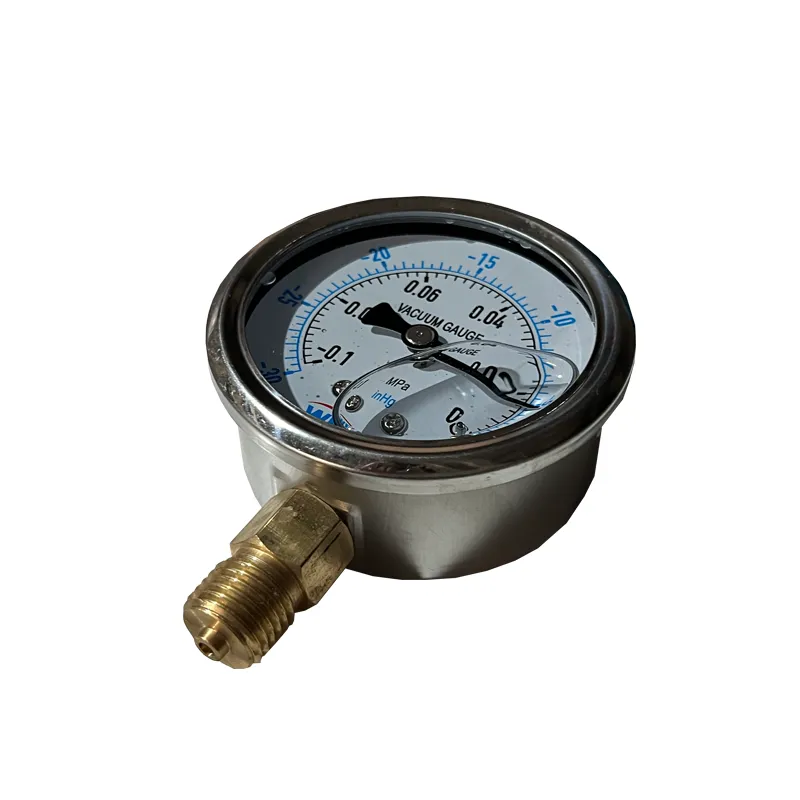
Selecting the right pneumatic vacuum conveyor requires understanding the critical specifications that impact performance, reliability, and total cost of ownership. Buyers often focus on price alone, missing essential technical details that determine whether a system will operate efficiently for years or require constant repairs and downtime.
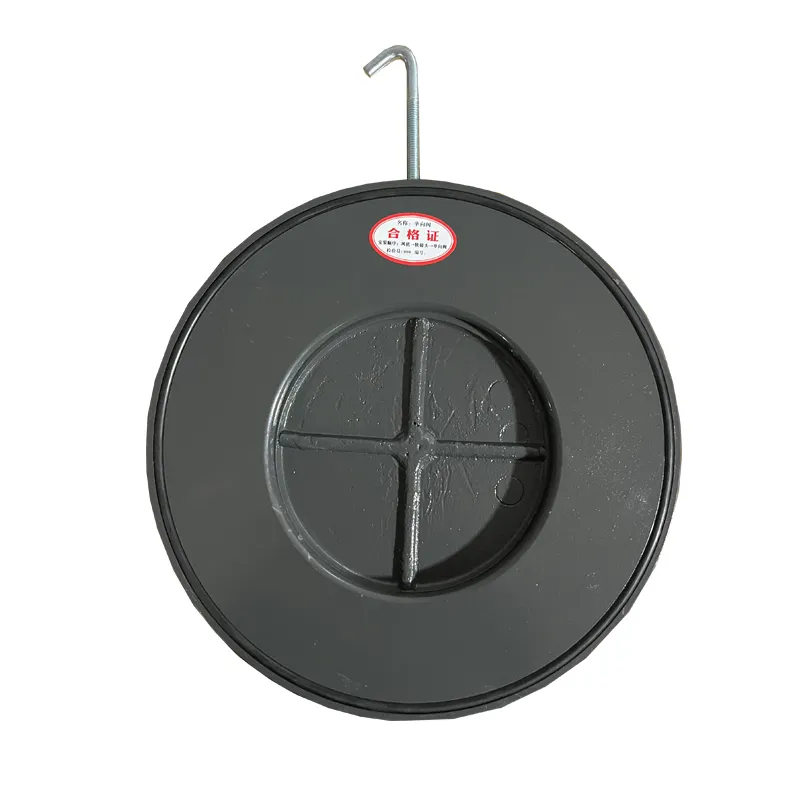
This guide walks you through the specifications that matter most when comparing bulk material handling equipment options. Understanding these factors ensures you invest in a system aligned with your facility's unique requirements and operational constraints.
Understanding Pneumatic Conveying System Design Fundamentals
Vacuum Generation and Air Flow Capacity
The core of any pneumatic conveying system design lies in its vacuum generation capability and air flow rates. Vacuum strength determines how effectively material moves through transport lines, while air flow capacity controls the volume and speed of material transfer. Buyers must verify that the blower or vacuum pump produces sufficient negative pressure for the specific materials being conveyed, as different bulk material handling equipment may require different suction levels depending on material density and particle size.
Air flow is measured in cubic feet per minute (CFM), and this specification must match your expected throughput. A system rated at 300 CFM will not effectively handle material volumes designed for 500 CFM equipment. Review the pneumatic vacuum conveyor nameplate and verify the air flow specification aligns with your production schedule and material volume requirements.
Line Diameter and Material Compatibility
Transport line diameter is a critical pneumatic conveying system design element that directly affects material velocity and pressure drop. Larger diameter lines reduce friction and energy consumption but require more space and larger vacuum pumps. Smaller lines create higher velocities that help prevent material settling but generate greater resistance and energy costs.
Material compatibility encompasses both the substances being conveyed and the line materials themselves. Abrasive materials require hardened or stainless steel lines to resist erosion, while static-sensitive materials need conductive lines with proper grounding. The pneumatic vacuum conveyor system must be constructed from materials that neither corrode nor chemically react with your specific bulk material handling requirements.
Critical Maintenance and System Reliability Specifications
Filter Type and Cleaning Mechanism
Vacuum conveyor system maintenance success depends heavily on filter selection and cleaning design. Baghouse filters, cartridge filters, and membrane filters each offer different performance profiles and maintenance demands. Baghouse systems require manual or automated pulse-jet cleaning, while cartridge designs may use mechanical shakers or compressed air pulsing. The filter type you select determines your maintenance schedule and potential downtime.
High-efficiency vacuum conveyor system maintenance requires filters with adequate surface area and appropriate micron ratings for your material. Undersized filters cause excessive pressure drop, forcing the vacuum pump to work harder and consume more energy. Oversize filters add capital cost and installation complexity. Verify the filter cleaning cycle timing and whether your facility can accommodate automated or manual cleaning intervals.
Separator and Discharge Design
The separator component removes conveyed material from the air stream, directly impacting vacuum conveyor system maintenance costs and operational reliability. Cyclone separators work through centrifugal force and require minimal maintenance, while other designs may involve moving parts or complex discharge mechanisms. Rotary valves, screw feeders, and blow-down systems each present different failure points and maintenance requirements for bulk material handling equipment.
A well-designed separator prevents material from escaping into filters, which would compromise filter life and system efficiency. Review the separator capacity rating and confirm it matches your material throughput. Some pneumatic vacuum conveyor systems use multiple separators in series for applications requiring extremely clean air discharge or material pre-sorting.
Performance Metrics and Operational Parameters
Pressure Drop and Energy Efficiency
Pressure drop across the entire pneumatic conveying system design directly correlates to energy consumption and operating costs. Measured in inches of water column (WC), pressure drop indicates the vacuum pump's required work level. Systems with excessive pressure drop consume more electricity and generate heat that can damage sensitive materials. Compare pressure drop specifications across candidate pneumatic vacuum conveyor models to understand long-term energy implications.
Energy-efficient bulk material handling equipment achieves lower pressure drop through optimized line routing, properly sized components, and smooth interior surfaces. Modern pneumatic conveying system design often incorporates variable frequency drives (VFDs) that adjust blower speed based on real-time demand, further reducing energy waste during light production periods.
Throughput and Conveying Distance Capacity
Material throughput capacity, measured in tons per hour, must match or exceed your facility's actual production demands. The pneumatic vacuum conveyor's design rating indicates maximum sustainable throughput under normal operating conditions. Verify whether the manufacturer's rating assumes continuous operation or includes duty cycle assumptions that differ from your application.
Conveying distance capability is equally important, as pressure loss increases with line length. A system rated for 100 feet of horizontal transport may underperform at 200 feet, requiring pressure booster stages or larger vacuum pumps. Review your facility layout and total conveying distance requirements, then confirm that candidate bulk material handling equipment specifications accommodate both horizontal and vertical lift distances.
FAQ
What is the most important specification when selecting a pneumatic vacuum conveyor?
Vacuum strength and air flow capacity form the foundation, as these determine whether the pneumatic vacuum conveyor can move your specific material at your required throughput. However, separator efficiency and filter design are equally critical because they determine maintenance intervals and long-term operating costs. Evaluate the complete pneumatic conveying system design rather than focusing on a single specification.
How do I calculate the correct line diameter for my pneumatic conveying system design?
Line diameter depends on material velocity, bulk density, abrasiveness, and conveying distance. Most pneumatic vacuum conveyor applications maintain velocities between 3,500 and 4,500 feet per minute for optimal efficiency and pressure drop balance. Consult with the manufacturer or use pneumatic conveying system design software to model pressure drop across your specific configuration, then select the diameter that balances energy costs against installation expense.
What vacuum conveyor system maintenance tasks should be performed regularly?
Regular vacuum conveyor system maintenance includes filter cleaning or replacement, separator discharge inspection, line integrity checks for abrasion damage, and blower bearing lubrication according to manufacturer schedules. Inspect gaskets and seals monthly to prevent air leaks that reduce efficiency. Most bulk material handling equipment requires quarterly deep cleaning of internal surfaces to prevent material buildup that restricts flow and increases pressure drop over time.