
 EN
EN
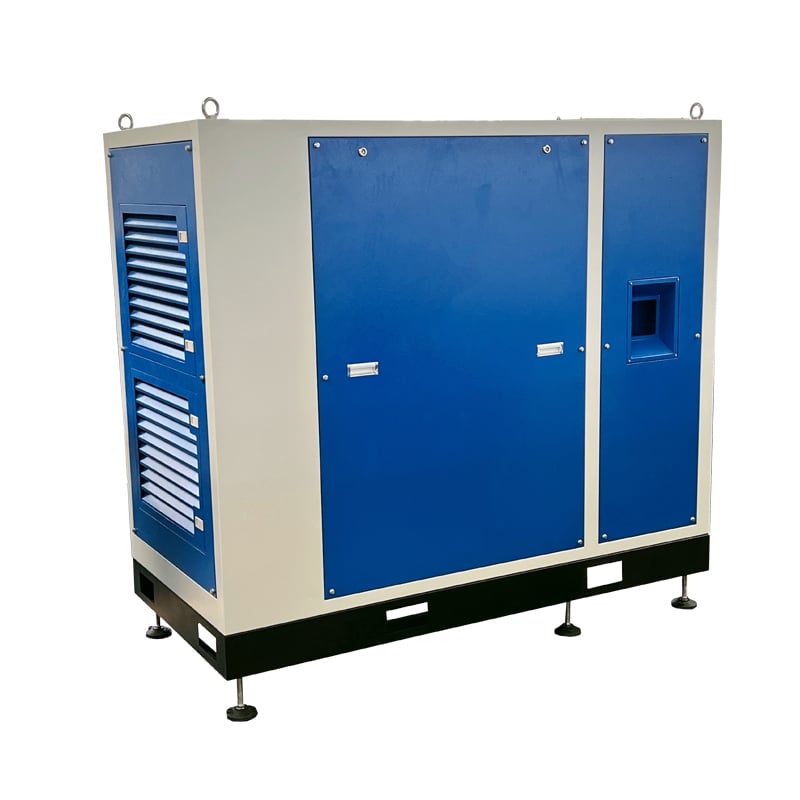
A pneumatic vacuum conveyor represents one of the most versatile material handling solutions available today, but not every industry derives equal value from this technology. Understanding which sectors benefit most from pneumatic conveyor systems for powder handling is essential for operations managers, plant engineers, and procurement specialists seeking to optimize material transfer efficiency. The decision to invest in vacuum conveying technology depends heavily on industry-specific material characteristics, production volume, facility constraints, and regulatory requirements. Industries ranging from food processing to pharmaceuticals have discovered that pneumatic vacuum conveyor systems address critical operational challenges while maintaining product integrity and workplace safety.
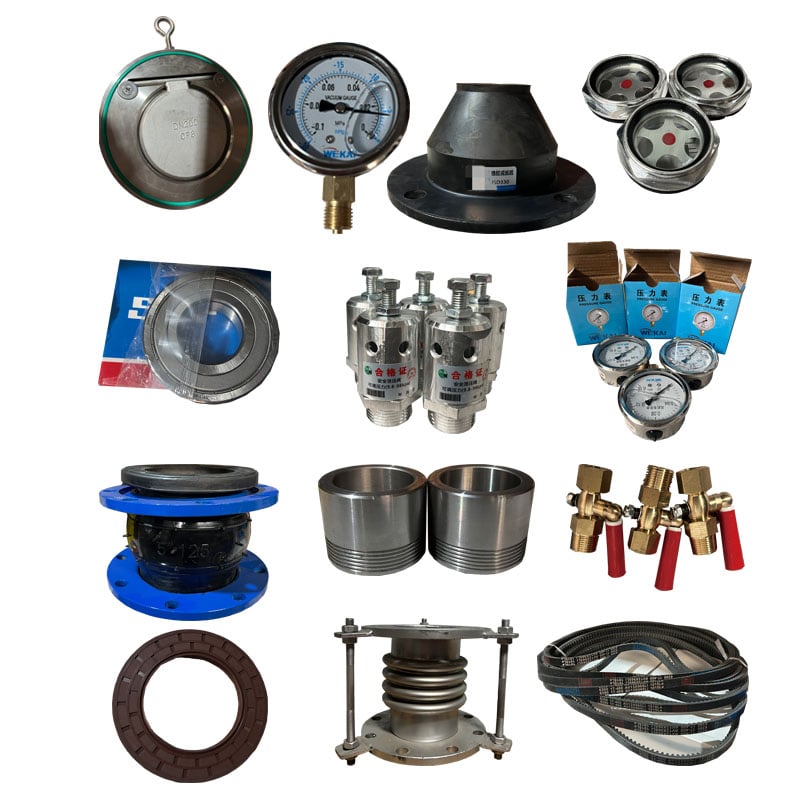
The pharmaceutical and food manufacturing sectors lead industry adoption because they demand contamination-free material transfer and precise dosing capabilities. Pneumatic conveyor systems for powder handling provide enclosed transport that prevents external contamination while protecting operators from dust exposure. Additionally, dilute phase pneumatic conveying applications have become standard in these regulated industries where product quality documentation and traceability matter significantly. Understanding how your industry can leverage vacuum conveying technology requires examining both material properties and operational demands across your production workflow.
Pharmaceutical and Chemical Manufacturing Sector
Regulatory Compliance and Product Purity Requirements
Pharmaceutical manufacturers depend heavily on pneumatic vacuum conveyor systems to meet strict regulatory standards established by agencies like the FDA and EMA. When moving active pharmaceutical ingredients, excipients, or finished powders, any cross-contamination risk becomes unacceptable. Pneumatic conveyor systems for powder handling eliminate exposure to atmospheric moisture, dust, and foreign particles that could compromise batch integrity. The enclosed design of vacuum conveying systems ensures complete product containment throughout the transfer process, which is impossible with traditional open-belt or screw conveyor alternatives. Dilute phase pneumatic conveying applications allow pharmaceutical companies to move delicate powders gently while maintaining precise weight and composition measurements required for regulatory submission.
Dosing Accuracy and Quality Assurance
Vacuum conveyor maintenance and troubleshooting become critical operational considerations for pharmaceutical plants operating continuously. The precise control offered by pneumatic vacuum conveyor technology enables manufacturers to achieve consistent dosing accuracy that mechanical systems cannot match. When formulating medications requiring exact ingredient ratios, any deviation risks product efficacy and regulatory rejection. Pneumatic conveyor systems for powder handling incorporate metering capabilities that integrate seamlessly with automated production lines and quality control systems. Pharmaceutical operations find that investing in pneumatic vacuum conveyor infrastructure reduces costly batch rejections, recall incidents, and regulatory compliance violations, delivering measurable return on investment within the first production year.
Food and Beverage Processing Industry
Contamination Prevention and Hygiene Standards
Food manufacturers and beverage processors recognize that consumer safety and product shelf-life directly depend on preventing microbial and chemical contamination during material handling. Pneumatic conveyor systems for powder handling provide the sealed environment necessary to transport flour, sugar, cocoa, spices, and supplement powders without degradation or contamination exposure. Dilute phase pneumatic conveying applications maintain product temperature and moisture levels during transfer, which proves essential for heat-sensitive ingredients like certain vitamin blends and specialty flours. The ability to rapidly clean pneumatic vacuum conveyor lines between different products prevents allergen cross-contamination, a critical requirement in modern food manufacturing. Vacuum conveyor maintenance and troubleshooting procedures are straightforward compared to mechanical alternatives, allowing food plants to minimize downtime and maintain consistent production schedules.
Production Scalability and Ingredient Flexibility
As food businesses scale production or introduce new product formulations, pneumatic vacuum conveyor systems offer the flexibility to adapt material handling without major facility reconstruction. Moving from small-batch specialty products to high-volume commodity ingredients becomes feasible when using pneumatic conveyor systems for powder handling, since the technology handles diverse material properties efficiently. Bakeries, supplement manufacturers, and spice processors have standardized on vacuum conveying because it accommodates powder density variations and particle size differences without performance degradation. When facilities need to increase throughput without expanding physical space, dilute phase pneumatic conveying applications deliver the capacity boost that mechanical conveying systems cannot provide without complete system replacement.
Chemical, Mineral Processing, and Industrial Manufacturing
Hazardous Material Handling and Worker Safety
Chemical plants and mineral processing operations handling fine powders face significant dust explosion hazards and respiratory health risks for workers. Pneumatic vacuum conveyor systems eliminate the airborne dust that creates explosive atmospheres in enclosed spaces, directly addressing OSHA safety compliance requirements and insurance obligations. Pneumatic conveyor systems for powder handling contain materials like aluminum oxide, titanium dioxide, silica, and various chemical powders that pose serious occupational health risks when inhaled. Industries processing carbon black, talc, fly ash, or cement dust have adopted vacuum conveying technology specifically to eliminate worker exposure and reduce liability. Dilute phase pneumatic conveying applications prove particularly valuable in these sectors because the controlled, low-velocity transfer minimizes dust generation even when handling ultra-fine materials prone to aerosolization.
Operational Efficiency and Cost Reduction
When factories process multiple material types or maintain frequent production schedule changes, pneumatic vacuum conveyor systems deliver economic advantages that justify capital investment. Setup and changeover times decrease significantly compared to mechanical conveyors, allowing mineral processors and chemical manufacturers to run more production batches daily. Vacuum conveyor maintenance and troubleshooting costs remain predictable and manageable since pneumatic systems have fewer moving parts than traditional mechanical options, reducing emergency shutdowns and unplanned downtime. Chemical plants particularly benefit from the ability to integrate pneumatic conveyor systems for powder handling with their existing process control systems, enabling real-time monitoring and data logging capabilities essential for batch documentation. The reduced material degradation and spillage provided by dilute phase pneumatic conveying applications translates directly to lower raw material waste and improved production economics.
FAQ
Which powder characteristics make a material suitable for pneumatic vacuum conveyor systems?
Materials suitable for pneumatic conveyor systems for powder handling generally have consistent particle sizes between 10 and 500 microns, moisture content below 15 percent, and bulk densities ranging from 30 to 800 kilograms per cubic meter. Powders prone to clumping, extremely cohesive materials, or products with broad particle size distributions may require specialized vacuum conveying configurations. Dilute phase pneumatic conveying applications work optimally with free-flowing powders that don't pack or bridge in transfer lines, though dense phase systems can handle more challenging materials when dilute phase isn't suitable.
What maintenance schedule should we follow for pneumatic vacuum conveyor systems?
Vacuum conveyor maintenance and troubleshooting should include weekly inspections of hoses, connections, and filter elements to prevent performance degradation and air leakage. Monthly checks of pneumatic conveyor systems for powder handling should focus on filter blockages, differential pressure readings, and any unusual noises indicating wear in rotary valves or vacuum pumps. Establishing preventive maintenance protocols extends equipment lifespan significantly and prevents costly emergency repairs that disrupt production schedules.
Can pneumatic vacuum conveyor systems handle mixed material batches?
Pneumatic conveyor systems for powder handling can transport pre-mixed powder batches effectively, though actual component mixing should occur in dedicated blenders before vacuum conveying begins. Dilute phase pneumatic conveying applications maintain product uniformity during transfer, but don't provide the mixing action needed to combine separate powder components. If your process requires on-line mixing during transfer, specialized venturi mixer configurations can integrate with your pneumatic vacuum conveyor system to accomplish this requirement.