
 EN
EN
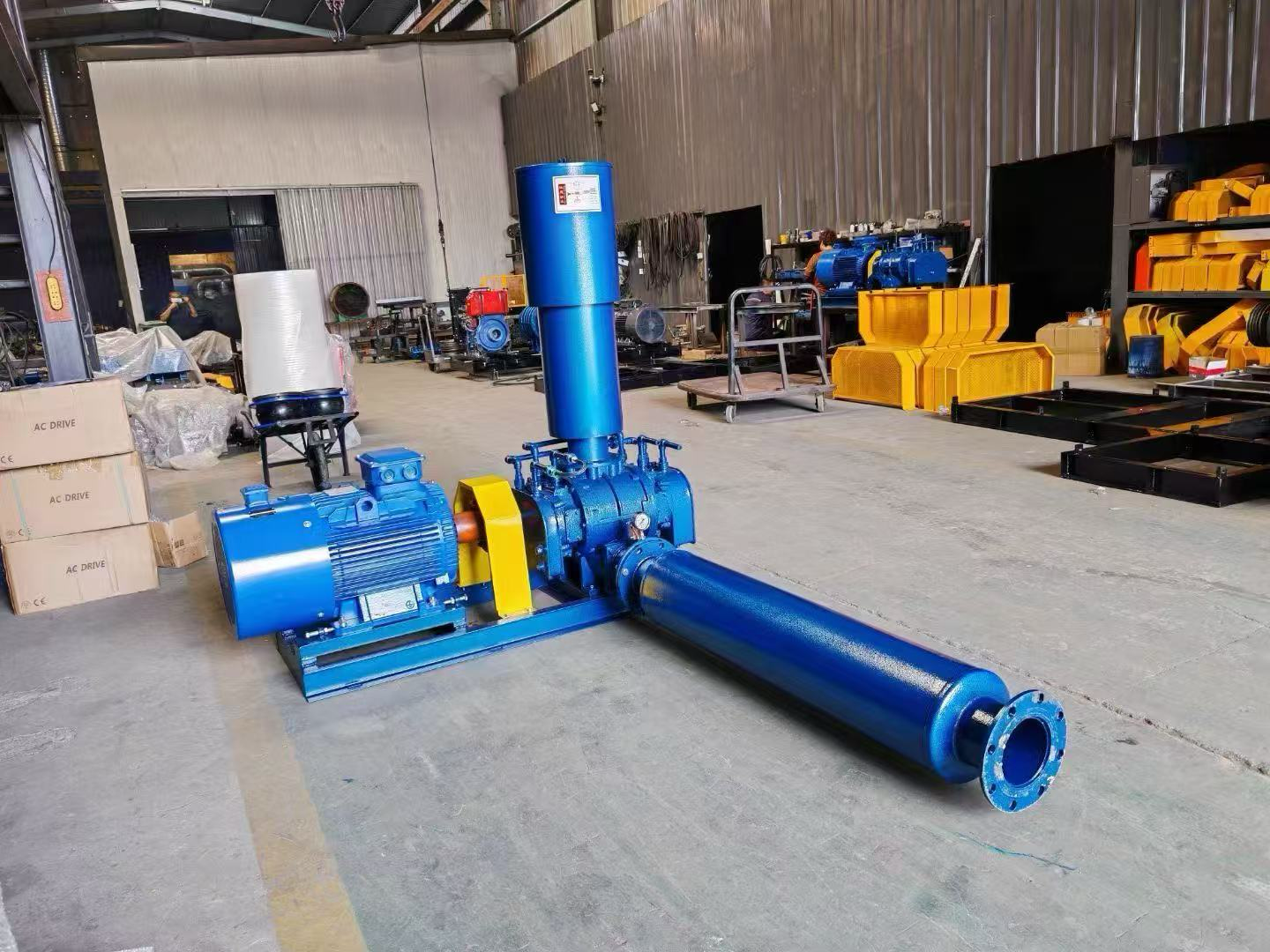
A roots blower represents one of the most reliable and efficient solutions for applications requiring consistent air or gas movement in industrial settings. Whether you operate a wastewater treatment facility, manage pneumatic conveying systems, or handle aquaculture operations, understanding the key benefits of using a roots blower system can significantly impact your operational efficiency and bottom line. This positive displacement blower technology has become the backbone of countless industries due to its robust design and predictable performance characteristics.
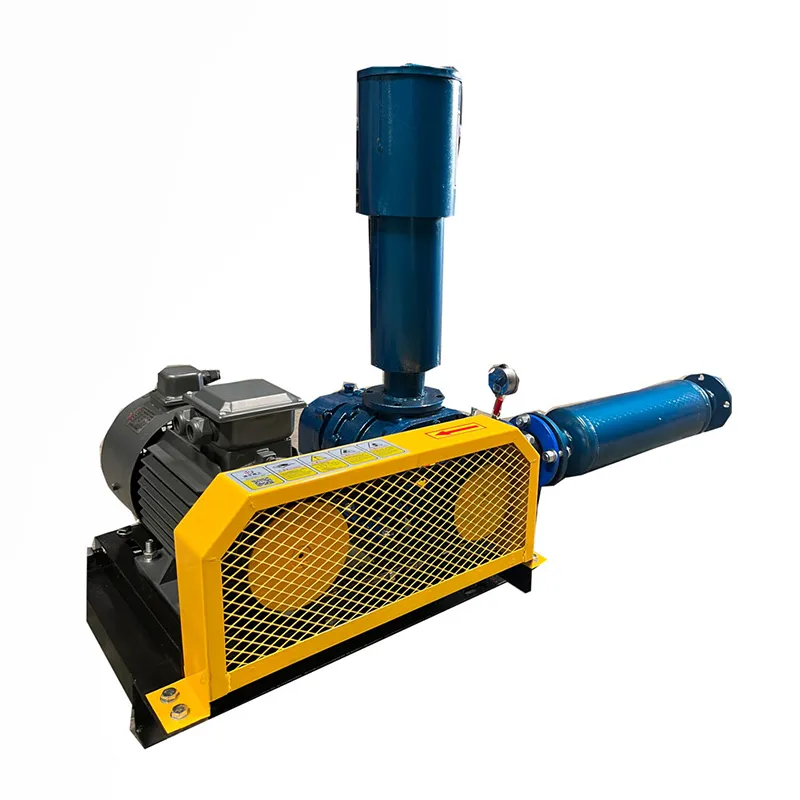
The advantages of adopting a rotary lobe blower extend far beyond simple air movement. A roots blower system delivers superior reliability, lower maintenance costs, and exceptional consistency compared to alternative blowing technologies. These characteristics make the roots blower the preferred choice for facilities that cannot tolerate downtime or performance fluctuations. Understanding these benefits helps facility managers make informed decisions that align with their operational goals and budget constraints.
Superior Reliability and Consistent Performance
Proven Durability in Demanding Environments
The positive displacement blower design ensures that performance remains predictable regardless of external conditions. Unlike centrifugal blowers that experience significant output variations with pressure changes, a rotary lobe blower maintains nearly constant airflow across a wide range of operating pressures. This consistency translates directly into operational stability. Facilities handling wastewater aeration, aquaculture operations, or pneumatic conveying systems benefit tremendously from this predictable performance pattern. The mechanical simplicity of the positive displacement blower means fewer moving parts and fewer failure points compared to complex alternative technologies.
Extended Service Life and Minimal Unplanned Downtime
Industrial operators recognize that unplanned downtime represents one of the costliest expenses in facility management. A roots blower system excels in preventing such disruptions through its inherently robust construction and straightforward operation. The rotary lobe blower design involves only rotating lobes within a housing, eliminating complex valve systems, timing mechanisms, or variable displacement components that commonly fail. Maintenance intervals for a positive displacement blower remain longer than competitive alternatives, and replacement parts fit within standard supply chains. This reliability directly reduces emergency repair calls and extends the periods between planned maintenance events.
Significant Cost Savings and Economic Advantages
Lower Operating and Maintenance Expenses
The economic case for implementing a roots blower system becomes clear when calculating total cost of ownership over a facility's operational lifespan. A positive displacement blower requires minimal maintenance compared to centrifugal or other complex blowing systems. Oil changes, bearing inspections, and periodic seal replacements constitute the primary maintenance tasks for a rotary lobe blower, all of which technicians can perform quickly without specialized expertise. The air blower for pneumatic conveying applications especially benefits from this maintenance simplicity because conveying systems often run continuously. Lower labor costs, reduced spare parts inventory requirements, and less frequent equipment replacement accumulate into substantial savings annually.
Energy Efficiency and Operational Economy
Many facility managers initially assume that a roots blower system carries higher energy costs than alternatives. In reality, the positive displacement blower operates at high mechanical efficiency within its designed pressure range, often delivering superior performance-per-watt compared to less efficient systems. A rotary lobe blower provides full flow at partial loads, meaning your air blower for pneumatic conveying delivers required capacity without excess energy waste. Additionally, variable speed drives can be integrated with modern roots blower systems to optimize power consumption based on actual operational demand, further enhancing overall system economy.
Versatility Across Industrial Applications
Exceptional Adaptability to Diverse Industries
The positive displacement blower architecture proves remarkably flexible across different operational contexts. Aquaculture facilities employ roots blower systems for oxygen supplementation in fish tanks and water treatment. Wastewater treatment plants rely on rotary lobe blower technology for aeration in activated sludge processes. Manufacturing operations utilize the air blower for pneumatic conveying to transport powders, granules, and other bulk materials efficiently. This versatility stems from the fundamental design of the positive displacement blower, which generates reliable flow characteristics regardless of the specific application. Facilities can standardize on a single roots blower manufacturer or supplier, simplifying spare parts management and operator training across multiple installations.
Scalability and System Integration Benefits
A roots blower system integrates seamlessly into both new installations and retrofit projects, offering substantial flexibility in system design and expansion. The positive displacement blower can operate at various speeds and pressures, allowing engineers to configure systems that match precise operational requirements. When a facility needs to expand capacity, a rotary lobe blower can often accommodate increased demand through modest speed adjustments rather than requiring complete system replacement. This scalability advantage extends to complex installations where multiple air blower for pneumatic conveying lines or aeration zones must coordinate within a single facility. The straightforward control characteristics of the positive displacement blower make system management efficient and intuitive.
FAQ
How does a roots blower differ from other industrial blowing technologies?
A roots blower operates on positive displacement principles, meaning it moves a fixed volume of air with each rotation regardless of pressure conditions. This contrasts with centrifugal blowers, which vary output significantly based on system pressure. The rotary lobe blower design provides superior efficiency at high pressures and maintains constant airflow characteristics, making it ideal for applications like pneumatic conveying and aeration where consistency matters. A positive displacement blower also handles intermittent loads better than centrifugal alternatives, preventing performance degradation during fluctuating demand cycles.
What maintenance requirements does a roots blower system involve?
A roots blower typically requires oil changes, bearing lubrication checks, and periodic seal inspections as primary maintenance activities. Unlike complex blowing systems, the rotary lobe blower contains no intricate valve assemblies or variable displacement components that demand specialized service. Most facilities schedule preventive maintenance annually, though specific intervals depend on operating hours and environmental conditions. The air blower for pneumatic conveying applications in harsh environments may need more frequent inspections, but overall maintenance costs remain substantially lower than alternative technologies due to the positive displacement blower's mechanical simplicity.
Can a roots blower system handle varying pressure and flow requirements?
Modern roots blower systems excel at handling variable operating conditions through speed control and pressure management design. While a positive displacement blower maintains relatively constant flow at a given speed, variable frequency drives allow operators to adjust output to match real-time demand. The rotary lobe blower can operate across a practical pressure range without losing reliability, though each model specification defines optimal performance parameters. For applications requiring the air blower for pneumatic conveying with fluctuating material loads, this adaptability provides significant operational advantages compared to fixed-speed alternatives.