 EN
EN
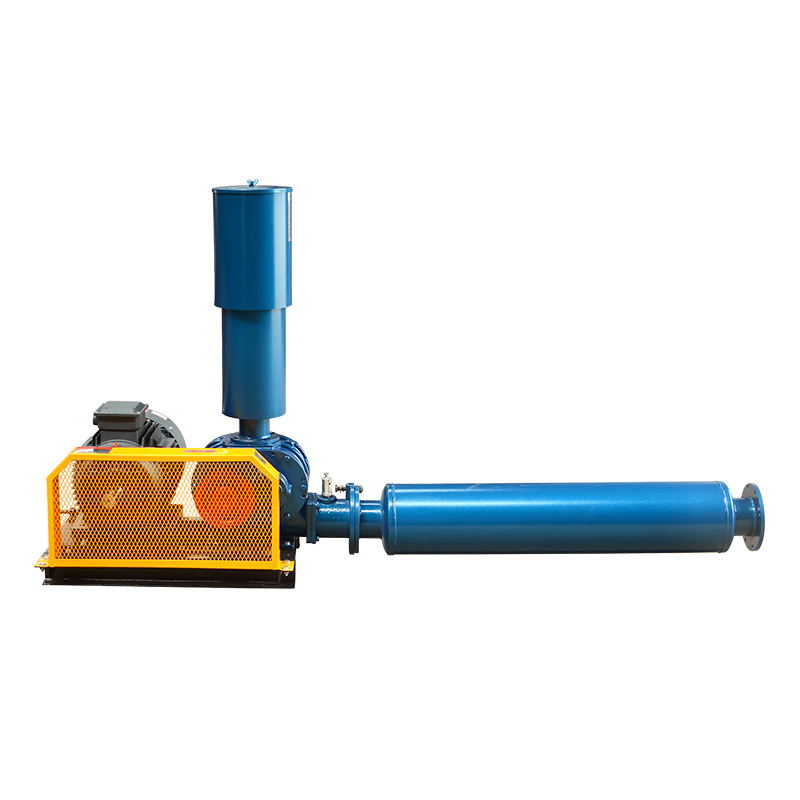
Sustainable fish production has become increasingly critical as global demand for seafood continues to rise. Modern aquaculture operations depend heavily on specialized aquaculture equipment to maintain optimal conditions, ensure fish health, and minimize environmental impact. Without proper infrastructure and technology, fish farms struggle to achieve the efficiency and sustainability standards demanded by today's market and regulatory bodies.
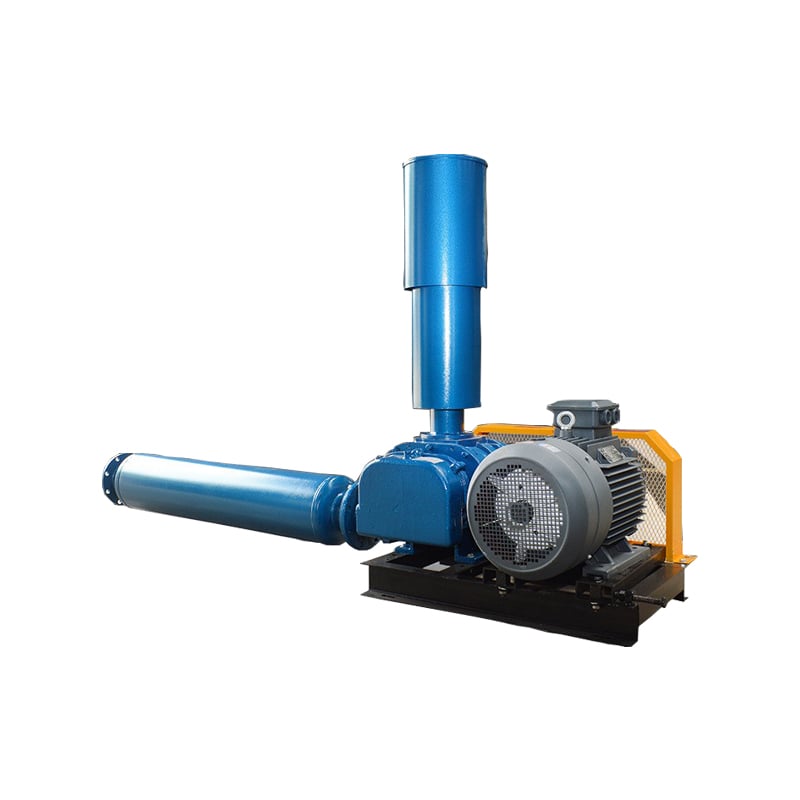
The intersection of aquaculture tank design and installation with advanced sustainable fish farming technology represents the foundation of successful modern operations. Integrating quality equipment across production systems allows producers to control water quality, maintain proper aeration, manage waste streams, and reduce resource consumption while delivering consistent yields.
Water Quality Management Through Advanced Treatment Systems
The Role of Fish Farm Water Treatment Systems
Fish farm water treatment systems are central to maintaining the biological and chemical balance necessary for healthy aquaculture production. These systems remove ammonia, nitrite, and other harmful compounds while maintaining oxygen levels critical for fish survival. Proper water treatment directly impacts fish growth rates, disease resistance, and overall farm profitability.
Modern fish farm water treatment systems utilize multiple stages of filtration, aeration, and biological processing to create stable environments. Mechanical filtration removes solid waste, biofilters convert toxic ammonia into less harmful nitrate, and UV or ozone treatment can eliminate pathogens. This multi-stage approach ensures sustainable fish farming technology that protects both aquatic life and the surrounding ecosystem.
Aeration and Oxygen Dynamics
Adequate oxygen supply is fundamental to sustainable fish farming technology and aquaculture equipment performance. Aeration systems increase dissolved oxygen levels, support beneficial bacteria, and prevent anaerobic zones where toxic compounds accumulate. High-performance aeration equipment ensures consistent oxygen delivery even during peak demand periods, reducing stress on fish and maintaining steady growth.
Integrated aeration strategies combine surface aerators, diffusers, and blowers to maximize oxygen transfer efficiency while minimizing energy consumption. This balanced approach supports both biological stability and operational sustainability, allowing farms to meet production targets without excessive environmental footprint.
Tank Design and Installation for Operational Efficiency
Strategic Aquaculture Tank Design and Installation
Aquaculture tank design and installation fundamentally influence production capacity, resource efficiency, and operational control. Properly designed tanks maximize water circulation, minimize dead zones, and facilitate waste removal. The physical layout determines how effectively aquaculture equipment can function and whether sustainable fish farming technology can reach its full potential.
Installation quality directly impacts long-term performance and maintenance requirements. Tanks must be constructed with materials that resist corrosion, maintain structural integrity under load, and support seamless integration with treatment and aeration systems. Correct installation ensures that all aquaculture equipment components work in harmony, preventing mechanical failures and operational disruptions.
Hydraulic Flow and Circulation Patterns
Water circulation patterns created during aquaculture tank design and installation determine oxygen distribution and waste management effectiveness. Well-designed circulation prevents stagnation, promotes even feed distribution, and reduces disease risk. Poorly designed tanks create areas of poor water movement where contaminants concentrate and oxygen becomes depleted.
Advanced tank designs incorporate slope optimization, inlet placement, and outlet positioning to create natural circulation without excessive energy input. These considerations are essential for sustainable fish farming technology, as they balance operational efficiency with environmental responsibility and long-term cost management.
Integration of Sustainable Technology and Equipment Coordination
Coordinated System Performance
Sustainable fish farming technology achieves maximum effectiveness when all aquaculture equipment components operate as an integrated system rather than isolated units. Monitoring systems track dissolved oxygen, ammonia levels, and water temperature in real time, allowing operators to adjust aeration, feeding, and water exchange rates dynamically. This coordinated approach reduces waste, optimizes feed conversion, and minimizes disease outbreaks.
Integration between fish farm water treatment systems and production tanks creates feedback loops where treatment efficiency directly enables better aquaculture equipment performance. When water quality remains consistently optimal, aeration systems can operate at peak efficiency without compensating for poor treatment, reducing overall energy demand and operational costs.
Environmental Impact and Resource Optimization
Modern aquaculture equipment helps farms minimize their environmental footprint through precise resource management. Sustainable fish farming technology reduces water consumption by optimizing reuse and treatment cycles, decreases chemical inputs through biological treatment methods, and lowers energy requirements through efficient aeration design. These improvements support regulatory compliance while enhancing farm profitability.
By implementing comprehensive aquaculture tank design and installation alongside quality treatment and aeration equipment, farms achieve production density without sacrificing water quality or environmental responsibility. This balance represents the core advantage of modern sustainable fish farming technology, enabling producers to scale operations while maintaining ecological integrity.
FAQ
What are the primary components of effective aquaculture equipment?
Essential aquaculture equipment includes aeration systems, filtration units, water circulation pumps, monitoring sensors, and backup power supplies. Fish farm water treatment systems form the backbone of biological management, while tank design and installation determine how efficiently all components work together. Quality equipment across all categories ensures consistent performance and sustainable fish farming technology implementation.
How does aquaculture tank design and installation affect production outcomes?
Aquaculture tank design and installation directly influence water flow patterns, oxygen distribution, waste removal efficiency, and overall stocking capacity. Proper installation ensures seamless integration with treatment and aeration systems, enabling sustainable fish farming technology to function effectively. Poor design creates operational bottlenecks and limits the effectiveness of even the highest-quality aquaculture equipment.
Why are fish farm water treatment systems essential for sustainability?
Fish farm water treatment systems maintain water quality by removing toxic compounds and supporting beneficial biological processes. These systems enable sustainable fish farming technology by allowing farms to reuse water, reduce discharge volume, and minimize chemical inputs. Effective treatment directly supports fish health, improves feed conversion efficiency, and reduces environmental impact while enabling economically viable aquaculture equipment operation.