
 EN
EN
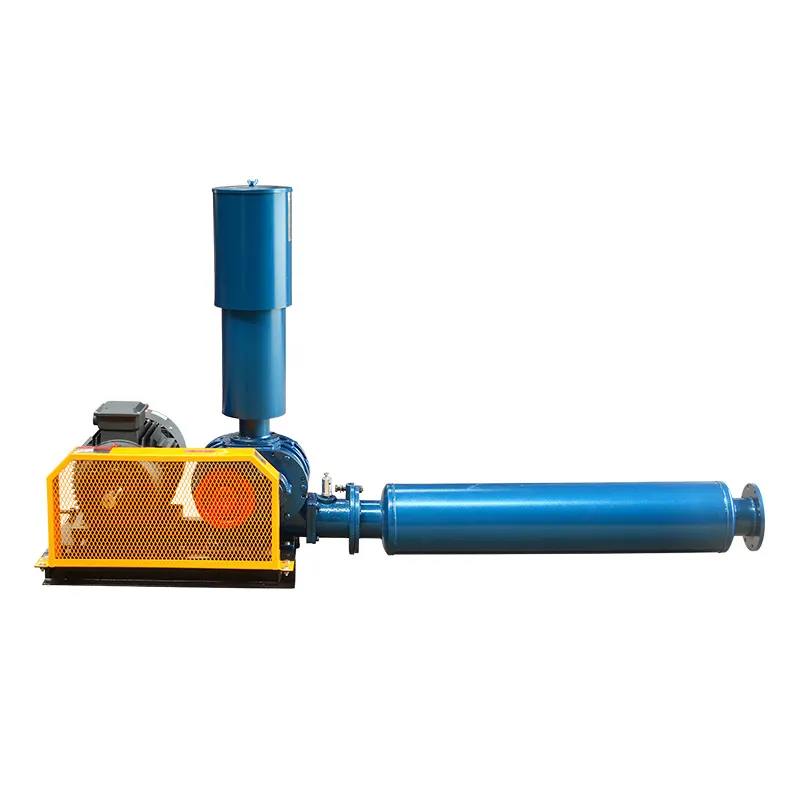
Industrial facilities depend on reliable equipment to maintain uninterrupted production cycles. A roots blower represents a proven solution for operations that demand consistent air delivery without downtime. This positive displacement blower technology has become essential across manufacturing, wastewater treatment, pneumatic conveying, and aeration applications where continuous operation is non-negotiable.
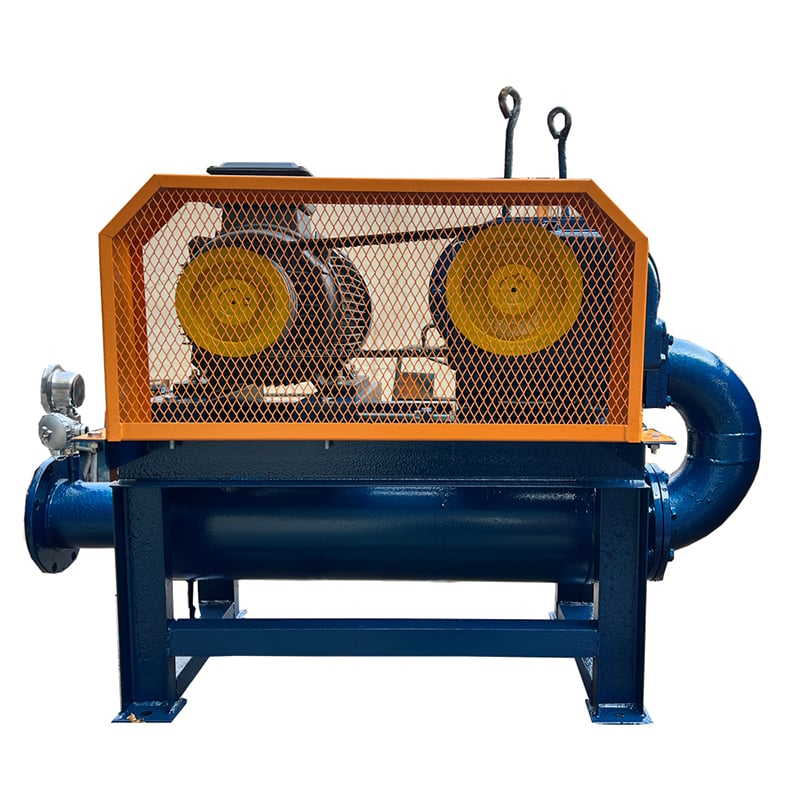
The design of a rotary lobe compressor ensures that air moves through the system at a constant rate, independent of downstream pressure variations. This characteristic makes the positive displacement blower fundamentally different from centrifugal alternatives, which rely on rotational speed and pressure differentials. For continuous operation needs, this reliability factor translates directly to operational cost savings, reduced maintenance interruptions, and predictable performance throughout extended production runs.
Rotary Lobe Compressor Design for Reliability
How the Positive Displacement Mechanism Works
A rotary lobe compressor operates through two interlocking lobes that rotate in opposite directions within a sealed chamber. Each lobe moves air from the inlet side to the discharge side without the air passing through a reduction stage. This positive displacement blower action means that for every complete rotation, a fixed volume of air enters and exits the system. The mechanical simplicity of this design contributes to the operational reliability that industries require during extended production schedules.
The roots blower excels in applications requiring consistent flow rates across a wide pressure range. Unlike centrifugal blowers that experience performance degradation at lower speeds or inconsistent pressure loads, the rotary lobe compressor maintains rated capacity consistently. This stability makes industrial air blower applications in sewage aeration, fish pond oxygenation, and pneumatic material transfer far more predictable and efficient over continuous operating periods.
Minimal Internal Friction and Long Service Life
The internal design of a roots blower minimizes direct contact between moving parts. The two lobes rotate without touching each other or the housing walls, separated by precision clearances. This non-contact operation dramatically reduces internal wear and friction losses compared to other compressor types. Continuous operation becomes sustainable because the positive displacement blower experiences less heat generation and mechanical stress.
Maintenance intervals for a rotary lobe compressor reflect this durability advantage. The straightforward mechanical architecture means fewer components require regular inspection or replacement. For industrial air blower applications that run 24/7, this translates to extended intervals between service checks and substantially lower replacement part costs over the equipment lifetime.
Industrial Air Blower Applications Demanding Continuous Service
Wastewater Treatment and Aeration Systems
Wastewater treatment facilities cannot tolerate blower interruptions because biological processes require constant oxygen supply. A roots blower provides the continuous, reliable air delivery that treatment tanks demand. The positive displacement blower maintains consistent aeration regardless of upstream demand fluctuations or downstream tank pressure changes. Rotary lobe compressor technology has become the industry standard in municipal and industrial wastewater applications precisely because it supports the 24/7 operating requirement without compromise.
The roots blower also handles the corrosive, humid environments typical of wastewater facilities better than alternatives. Many units feature stainless steel components and corrosion-resistant coatings specifically designed for these harsh conditions. This investment in material selection ensures that the industrial air blower applications continue uninterrupted, even when exposed to the aggressive atmospheres found around treatment lagoons and aeration basins.
Pneumatic Conveying and Material Transport
Pneumatic conveying systems transport bulk materials through pipes using pressurized air, requiring steady flow rates to prevent bridging or material separation. The positive displacement blower excels in this application because the rotary lobe compressor delivers constant volumetric flow independent of line pressure changes. When conveying grain, plastics, powders, or other materials, consistent air velocity ensures material movement remains predictable and efficient throughout each production cycle.
Food processing, chemical manufacturing, and pharmaceutical facilities rely on continuous pneumatic transfer operations. A roots blower handles these demanding industrial air blower applications by maintaining performance standards that prevent material degradation or process interruptions. The rotary lobe compressor's ability to run continuously without performance loss makes it the preferred choice for facilities that cannot afford conveying system downtime.
Operational Advantages for Continuous Production Cycles
Consistent Performance Under Variable Load Conditions
Continuous operation often means the positive displacement blower must handle changing air demands throughout the production day. A roots blower performs reliably across this operational spectrum because its displacement volume remains constant regardless of outlet pressure. The rotary lobe compressor neither surges nor fluctuates when downstream demand changes, providing the steady air supply that continuous processes require. This consistency eliminates the efficiency penalties and equipment stress associated with compressor cycling or performance variation.
Energy consumption in a industrial air blower remains proportional to actual air delivery rather than oversizing for peak demand scenarios. Many facilities find that a properly sized roots blower reduces overall operating costs because the positive displacement blower runs at its rated capacity most of the time, with less wasted energy compared to centrifugal alternatives that may oversupply or cycle inefficiently.
Reduced Downtime and Maintenance Requirements
The mechanical simplicity of a rotary lobe compressor translates directly into operational reliability metrics. With fewer moving parts and no complex sealing systems, the roots blower avoids many failure modes that plague alternative technologies. Continuous operation becomes achievable because maintenance requirements remain minimal, and when service does become necessary, technicians can perform repairs quickly and return the equipment to service. For 24/7 operations, this reduction in planned downtime contributes significantly to production efficiency and profitability.
Lubrication requirements for a positive displacement blower are straightforward and well-established across industrial settings. Most roots blower models use oil-flooded designs that simplify cooling and sealing while reducing maintenance complexity. The industrial air blower applications benefit from this standardized approach because facility operators can maintain these systems using proven procedures and readily available replacement parts.
FAQ
What makes a roots blower suitable for 24/7 continuous operation?
A roots blower delivers constant volumetric flow rates independent of pressure variations, eliminating the performance fluctuations that challenge centrifugal alternatives. The rotary lobe compressor design generates minimal internal friction and heat, allowing extended continuous service without degradation. This positive displacement blower technology has proven durability in demanding industrial air blower applications, with simple maintenance requirements that support uninterrupted operation.
How does a positive displacement blower differ from other compressor types for continuous duty?
The roots blower maintains rated performance across its full operating pressure range, whereas centrifugal compressors experience efficiency loss and surging at variable pressures. A rotary lobe compressor requires less cooling and generates predictable discharge temperatures, making it easier to manage thermal issues during continuous operation. The positive displacement blower's straightforward mechanical design means fewer components fail, supporting the reliability demands of industrial air blower applications that cannot tolerate downtime.
What industrial air blower applications benefit most from roots blower technology?
Wastewater aeration, pneumatic conveying, biogas handling, and fish pond oxygenation represent primary industrial air blower applications where the rotary lobe compressor excels. Any process requiring consistent, predictable air delivery for extended periods leverages the positive displacement blower's strengths. The roots blower's ability to maintain performance during continuous operation makes it the technology of choice across these sectors and many specialized manufacturing processes.