
 EN
EN
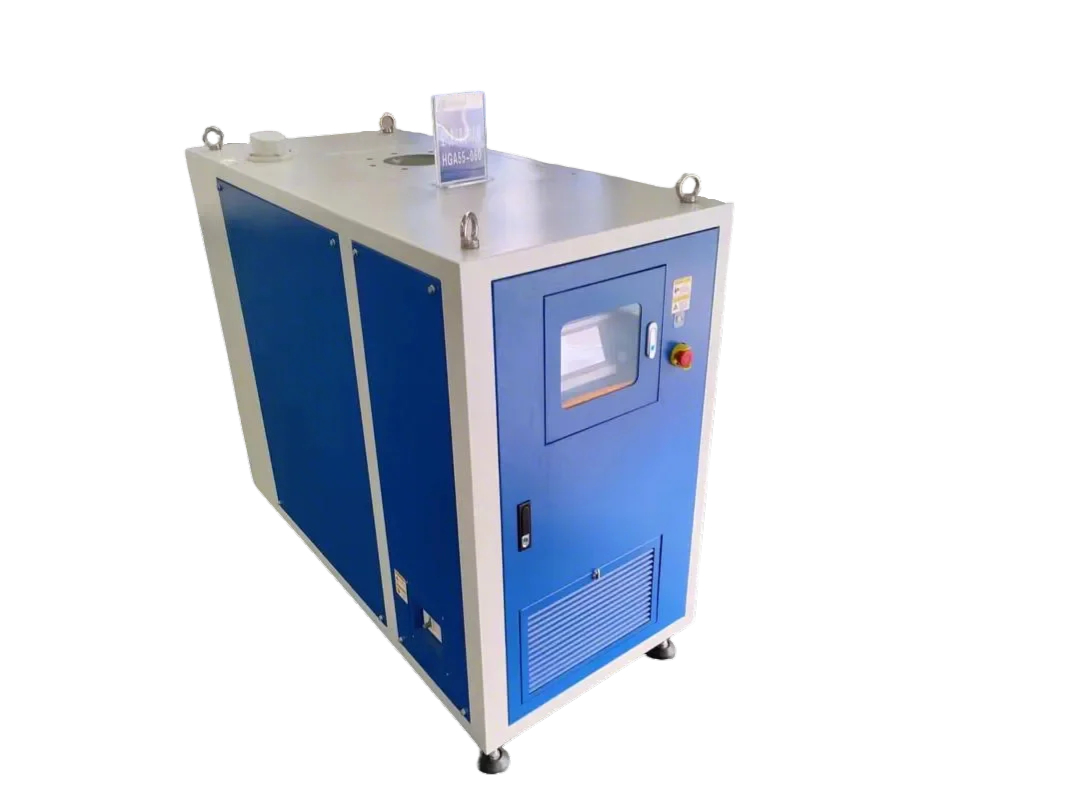
A pneumatic conveying system is a critical asset in modern material handling operations, especially across industries like food processing, pharmaceuticals, chemicals, and power generation. Maintaining these systems and knowing how to troubleshoot problems can mean the difference between smooth operations and costly downtime. Proper maintenance extends equipment life, ensures consistent performance, and reduces unexpected failures that disrupt production schedules.
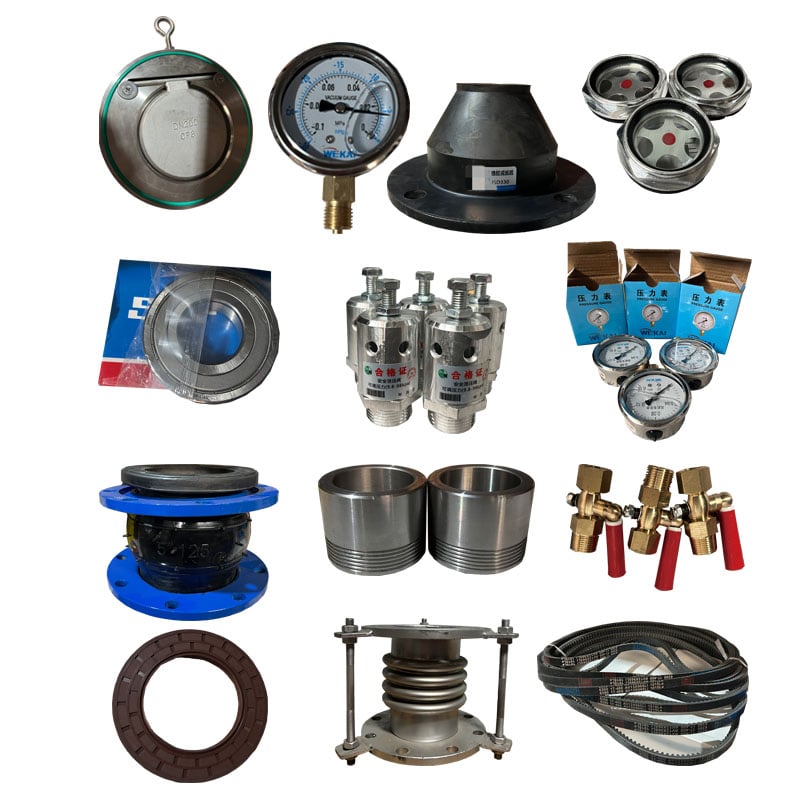
Whether you operate a dilute phase pneumatic conveying system for lightweight, friable materials or a dense phase pneumatic conveying system for dense, abrasive powders, understanding the fundamentals of system care ensures reliable performance. Both system types require distinct maintenance approaches, preventive strategies, and diagnostic methods. This guide covers essential maintenance practices, common failure points, troubleshooting methods, and practical solutions to keep your pneumatic conveying equipment running efficiently.
Understanding Pneumatic Conveying System Maintenance Requirements
Core Maintenance Components and Inspection Schedules
Every pneumatic conveying system design and installation requires ongoing care of several key components. The blower or compressor generates the pressure differential needed to move material through the pipeline. Regular inspections should check for abnormal vibration, unusual noise, and proper pressure output. Air lines and filters accumulate dust and debris over time, restricting airflow and reducing efficiency. Quarterly filter replacements and monthly visual inspections prevent performance degradation.
Receivers, hoppers, and cyclones separate material from the air stream and demand periodic cleaning to prevent buildup and blockages. Dense phase pneumatic conveying systems in particular require careful attention to receiver maintenance because they operate under higher pressures. Visually inspect receivers for corrosion, check all access ports for debris accumulation, and verify pressure relief valves function correctly. Piping sections, elbows, and bends experience the most wear from abrasive material friction. Inspect bends monthly for thinning walls or corrosion, especially where material impact is greatest.
Lubrication and Component Protection
Proper lubrication keeps moving parts in your dilute phase pneumatic conveying system functioning smoothly. Rotary feeders, airlock valves, and blower bearings all need appropriate lubricant grades and change intervals. Use only manufacturer-approved lubricants to avoid chemical incompatibility or viscosity issues. Check lubricant levels monthly and change lubricants according to equipment specifications, typically every 500 to 1,000 operating hours. Underlubricated components generate excessive heat, noise, and wear, leading to unexpected failures and safety hazards.
Identifying and Diagnosing Common Pneumatic Conveying System Issues
Pressure Drop and Flow Reduction Problems
Pressure drop is one of the most common symptoms of system problems. If your pneumatic conveying system design and installation shows declining pressure readings, suspect clogged filters, damaged piping, or leaks. Use a pressure gauge to measure output at the blower and at multiple points along the pipeline to pinpoint where pressure loss occurs. A sudden drop indicates a leak or rupture, while gradual decline suggests filter clogging or wear on internal components. Many operators overlook small leaks, but they compound into significant energy waste and reduced material velocity.
Flow rate reduction often accompanies pressure problems. If material moves slower through the line, discharge velocity drops and material can settle or segregate in the pipeline. Check that the source of compressed air or vacuum supply matches system specifications. Verify that the feeder operates at the correct speed and discharge rate. A dilute phase pneumatic conveying system particularly depends on consistent air velocity to keep material suspended and moving forward. Lower than design velocity leads to product stalling and pipeline blockages.
Blockages, Separation Issues, and Noise Anomalies
Pipeline blockages halt material flow and create back pressure that strains the entire system. Blockages typically form at pipe bends, junctions, or in horizontal sections where material settling occurs. Dense phase pneumatic conveying systems run higher pressures that can mask early blockage symptoms until a complete stoppage occurs. Inspect horizontal sections regularly and consider installing isolation ball valves at strategic points to contain and clear blockages without disassembling the entire line. Listen for sudden silence or rattling sounds that indicate product stoppage.
Inadequate separation of material from air at the destination receiver reduces efficiency and can allow fine powder to escape. If your cyclone or receiver discharge shows excessive dust, check that the separator is properly sized for your pneumatic conveying system design and installation parameters. Verify that vent filters on receivers function and are not clogged. Unusual noises such as squealing, grinding, or hammering signal bearing wear, loose components, or material impact on pipe walls. Do not ignore noise changes; they often precede component failure by weeks or days.
Troubleshooting Solutions and Best Practices
Systematic Diagnosis and Component Testing
Begin troubleshooting by gathering baseline performance data before problems appear. Record normal operating pressures, airflow rates, discharge temperatures, and noise levels. When symptoms emerge, compare current readings to baselines to narrow the cause. Use ultrasonic leak detectors to find air leaks in dilute phase pneumatic conveying systems that visual inspection misses. Thermal imaging cameras reveal hot spots on motors or bearings that indicate excessive friction. These diagnostic tools, combined with systematic pressure readings at multiple pipeline locations, accelerate root cause identification.
When blockages occur in dense phase pneumatic conveying systems, do not restart the system repeatedly without clearing the obstruction. Excessive restart attempts strain the motor and can cause permanent damage. Instead, access the blockage point through isolation valves, clear the material manually if safe, and inspect for contributing factors like material degradation or equipment misalignment. Document blockage locations to identify patterns; repeated blockages at the same point may indicate inadequate pipe diameter or design error.
Preventive Maintenance Schedules and Documentation
Establish a written preventive maintenance schedule and track all service work on each piece of equipment. Daily checks should include visual inspections, pressure gauge readings, and listening for unusual sounds. Weekly tasks include filter inspection and lubrication verification. Monthly maintenance covers detailed component inspections, receiver cleanouts, and vibration checks. Quarterly activities include filter replacement, lubricant analysis, and pressure relief valve testing. Annual comprehensive reviews assess pipe wear, check calibration of all gauges, and plan major component replacements.
Keep detailed logs of all maintenance activities, part replacements, and problem episodes. This documentation reveals trends, helps predict future failures, and supports warranty claims or equipment upgrades. Many operators find that consistent preventive care reduces emergency repairs by sixty to seventy percent. When you maintain a pneumatic conveying system properly, component life extends significantly and operational reliability improves dramatically compared to reactive maintenance approaches.
FAQ
How often should I replace filters in a pneumatic conveying system?
Filter replacement frequency depends on material type, system load, and air quality. For most applications, replace filters every three to six months or when pressure drop across the filter increases noticeably. Dense phase pneumatic conveying systems may require more frequent replacement because they operate under higher pressures and finer materials clog filters faster. Check your blower manufacturer's recommendations and monitor pressure gauges to replace filters before they become severely restricted and reduce airflow below design specifications.
What is the difference between dilute phase and dense phase pneumatic conveying systems?
Dilute phase pneumatic conveying uses high air velocity with low material concentration, ideal for lightweight or friable materials like flour or sugar. Dense phase pneumatic conveying uses lower air velocity with high material concentration, suitable for abrasive, dense products like sand or minerals. Dense phase systems operate at higher pressures and require more robust piping and components. Dilute phase systems consume less energy but may damage sensitive materials through impact. Your choice depends on material properties, conveying distance, and energy considerations, and this decision shapes your maintenance priorities and component specifications.
How can I reduce energy consumption in my pneumatic conveying system?
Energy efficiency improves through proper maintenance, system optimization, and component upgrades. Keep filters clean, fix air leaks, and ensure the blower operates at design specifications to reduce wasted energy. Evaluate whether your pneumatic conveying system design and installation can shift from dilute phase to dense phase operation if applicable, as dense phase typically consumes less compressed air. Install variable frequency drives on motors to match airflow to actual demand. Replace worn pipes that have become rough internally. Perform annual energy audits comparing current consumption to baseline values to identify opportunities for efficiency gains.