
 EN
EN
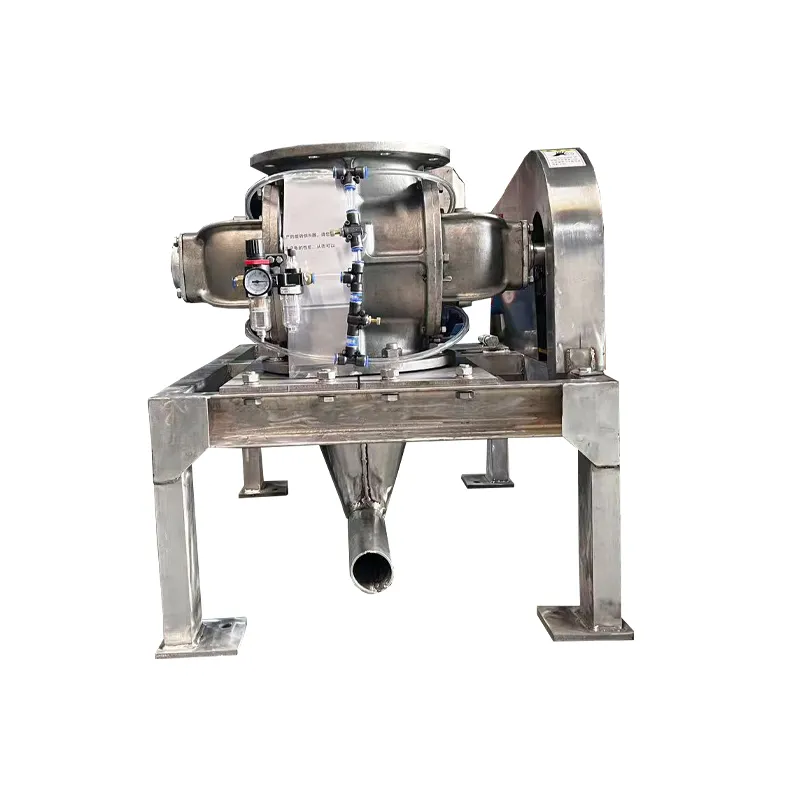
Selecting the appropriate rotary feeder for your operation is critical to maintaining consistent material flow, minimizing downtime, and optimizing production efficiency. The right choice depends on understanding your specific application requirements, material characteristics, and operational constraints. Without proper selection criteria, businesses often experience blockages, inefficient discharge rates, and premature equipment failure.
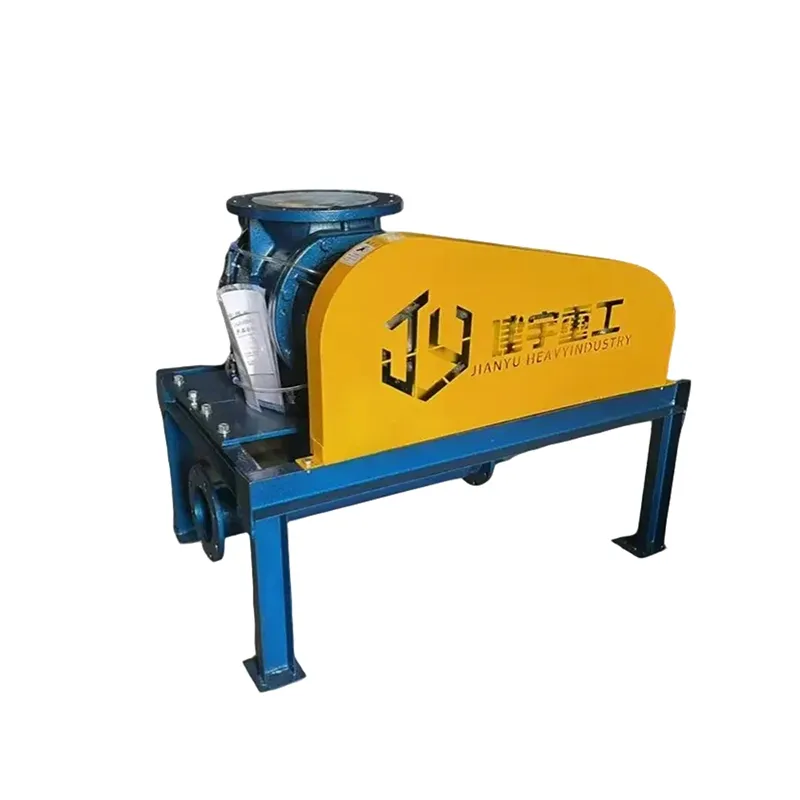
Understanding how to evaluate rotary airlock valve options and bulk material handling equipment ensures your system integrates seamlessly with existing infrastructure. A rotary feeder serves as a critical control point in pneumatic and mechanical conveying systems, regulating material flow while maintaining pressure differentials. This guide explores the fundamental selection process, key performance factors, and practical installation insights that transform feeder selection from guesswork into a data-driven decision.
Understanding Your Material and Application Requirements
Material Characteristics and Flow Behavior
Every material behaves differently in bulk material handling equipment due to particle size, density, moisture content, and abrasiveness. Fine powders require gentler handling to prevent aeration and bridging, while coarse granules demand higher discharge rates and more robust construction. Understanding these properties directly influences which rotary airlock valve design and capacity will prevent material degradation and maintain consistent throughput. Conduct preliminary testing or consult historical performance data to identify material behavior patterns specific to your operation.
Moisture-sensitive materials may require sealed or heated rotary feeder designs to prevent caking and blockages. Highly abrasive materials necessitate hardened wear surfaces and more frequent maintenance intervals. Document these material characteristics before evaluating equipment options, as they fundamentally determine equipment durability and operational reliability in your specific environment.
Production Volume and Throughput Expectations
Calculate your required flow rate in pounds per hour or cubic feet per minute to narrow equipment selection. Oversized rotary feeder systems waste energy and reduce control precision, while undersized units create bottlenecks and inconsistent downstream performance. Cross-reference your throughput requirement with manufacturer performance curves to identify models that operate efficiently within your expected operating range. Consider future production expansion when selecting equipment capacity.
Peak demand periods and seasonal fluctuations also influence sizing decisions. Vibratory feeder systems and rotary designs sometimes work together in integrated solutions, where understanding total system flow requirements ensures each component operates optimally. Document minimum, average, and maximum flow rates to guide your equipment specification.
Evaluating Rotary Feeder Design and Operational Specifications
Rotor Type and Discharge Configuration
Rotary feeder designs vary significantly in rotor geometry, ranging from simple slotted rotors to multi-lobed designs optimized for specific material types. Slotted rotors excel with granular materials and provide easy cleaning, while multi-lobe rotors offer superior sealing and control for fine powders. Single-outlet configurations provide simpler maintenance, while multiple discharge ports enable process flexibility in complex conveying systems. The rotary airlock valve you select must match both your material type and downstream application requirements.
Pressure rating is equally critical when integrating bulk material handling equipment into pneumatic systems. Low-pressure applications tolerate standard aluminum construction, while high-pressure or dilute-phase conveying demands cast iron housings and reinforced rotors. Matching pressure specifications prevents seal failures, material leakage, and unexpected system downtime during production runs.
Seal Systems and Wear Resistance
Effective sealing directly impacts control accuracy and prevents product loss in bulk material handling applications. Packed-gland seals suit dry, non-critical applications where minor leakage is acceptable. Double-bearing designs with cartridge seals perform better in contaminated environments and provide superior longevity. Vibratory feeder systems often incorporate similar seal technologies to maintain precision under continuous operation.
Wear resistance depends on both material composition and operational conditions. Hardened stainless steel or ductile iron rotors withstand abrasive materials longer than standard construction. Rubber or urethane linings protect against product damage and reduce material degradation in sensitive applications. Inspect manufacturer wear recommendations specific to your material type to predict maintenance frequency and total cost of ownership.
Installation Considerations and System Integration
Mounting Location and Accessibility
Installing your rotary feeder at the correct elevation and position within your conveying system ensures optimal performance and reliable operation. Horizontal mounting suits gravity-feed applications, while inclined or vertical orientations require additional support and may affect discharge rates. Ensure adequate clearance for maintenance access, seal replacement, and rotor inspection to minimize downtime when service is required. Consider whether your existing infrastructure requires modifications to accommodate the selected equipment.
Temperature and environmental factors influence equipment longevity. High-temperature applications demand specialty rotors and seals rated for elevated conditions, while outdoor or humid environments require corrosion-resistant coatings. Bulk material handling equipment operating in these challenging conditions requires proactive selection to avoid premature failure and unplanned replacement expenses.
Motor Sizing and Drive System Compatibility
Torque requirements vary by material density, rotor speed, and design efficiency, making proper motor selection essential for reliable long-term operation. Undersized motors stall under load, overheat, and fail prematurely, while oversized motors waste energy and reduce operational efficiency. Calculate required horsepower using manufacturer specifications and your material characteristics, then select motors with adequate service factors for your application. Compatibility with existing variable frequency drives or control systems determines whether seamless integration is possible without costly system modifications.
Coupling type and alignment precision affect vibration levels and bearing wear throughout equipment life. Flexible couplings accommodate minor misalignment and reduce stress transmission to motor bearings. Proper shaft alignment during installation extends rotary feeder service intervals and maintains predictable performance over extended operation periods.
FAQ
What is the main difference between a rotary airlock valve and standard rotary feeder?
A rotary airlock valve specifically maintains pressure differentials while controlling material flow in pneumatic conveying systems, whereas a standard rotary feeder focuses primarily on metering material discharge. The rotary airlock valve design incorporates superior sealing to prevent air leakage and pressure loss, making it essential in dilute-phase pneumatic systems. Both serve as flow control devices in bulk material handling equipment, but their pressure-holding capabilities and design priorities differ significantly based on application requirements.
How do vibratory feeder systems compare to rotary feeders for your application?
Vibratory feeder systems excel at handling sticky, bridging-prone materials through continuous gentle agitation, while rotary feeders provide more precise flow control and higher discharge rates. Vibratory systems typically consume more energy but prevent material compaction and reduce blockages with difficult materials. Rotary feeders offer better metering accuracy in volumetric or continuous-flow applications. Many operations integrate both technologies, using vibratory equipment to condition material before it enters a rotary feeder for precise control and downstream transport.
What factors determine the service life of bulk material handling equipment like rotary feeders?
Service life depends on material abrasiveness, rotor speed, operating hours, maintenance consistency, and seal system quality in your bulk material handling equipment. Abrasive materials accelerate rotor wear, requiring hardened construction and more frequent inspections. Regular lubrication, seal replacement before failure, and proper alignment during installation significantly extend equipment longevity. Operating within manufacturer-specified pressure and temperature ranges protects internal components and maintains reliable performance throughout the equipment lifecycle.