
 EN
EN
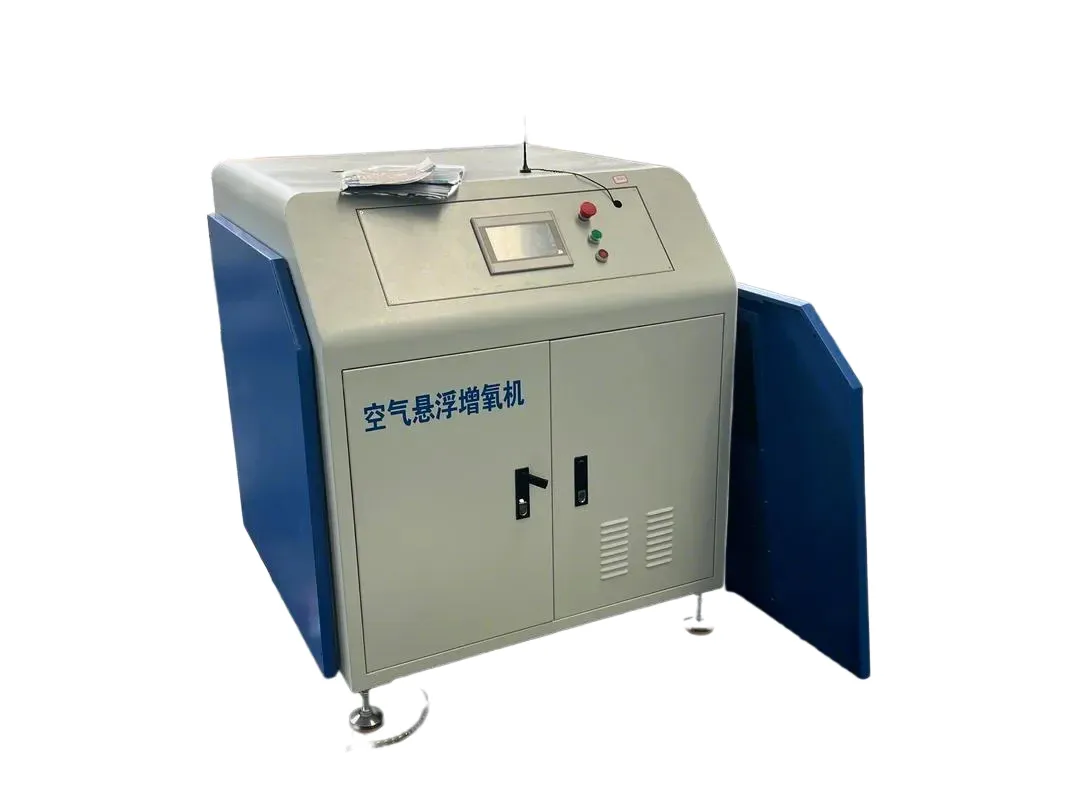
Oxygen transfer remains one of the most critical factors in water treatment success. An aeration air blower directly addresses this challenge by introducing pressurized air into water bodies, enabling biological processes that break down contaminants and support aquatic life. Whether treating municipal wastewater, maintaining pond quality, or supporting industrial processes, understanding how aeration air blower technology works is essential for optimizing treatment efficiency and meeting regulatory standards.
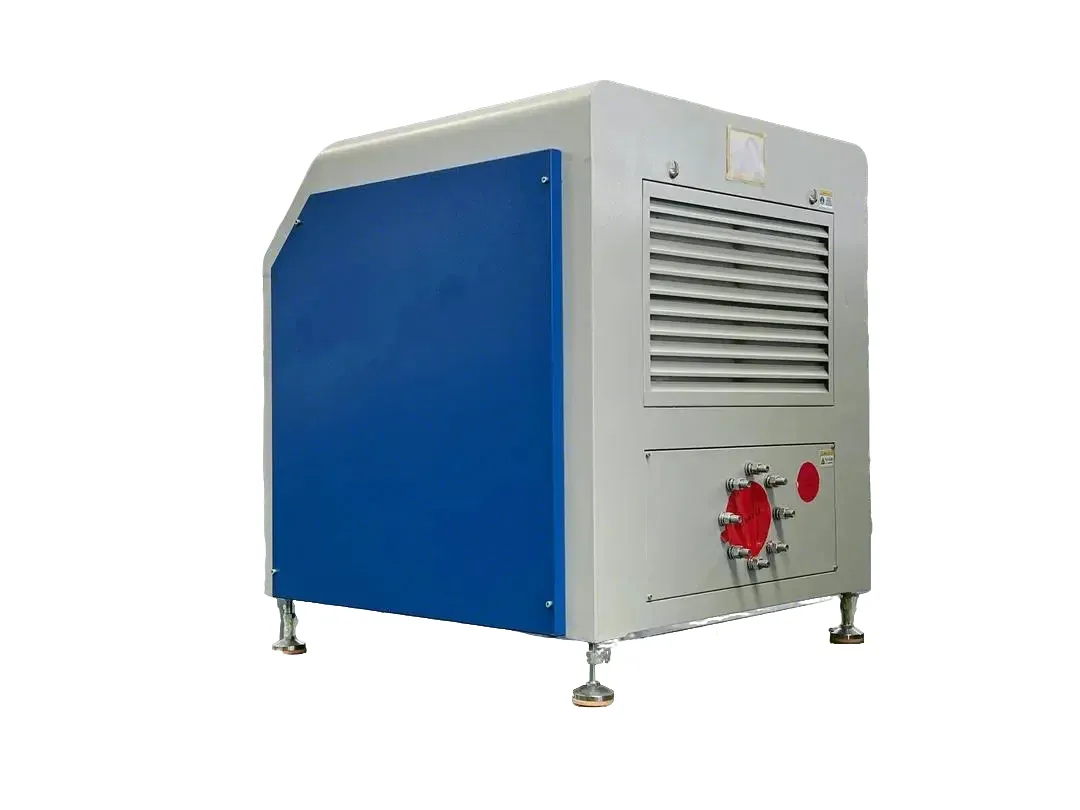
The fundamental role of pond aeration systems and aquatic water circulation equipment is to increase dissolved oxygen concentrations, which directly impacts water quality metrics and biological treatment performance. By forcing air through water under pressure, these systems create turbulence and contact between air and water phases, dramatically accelerating oxygen dissolution compared to passive methods like surface agitation alone.
Oxygen Transfer Mechanism and Physical Principles
How Aeration Air Blower Systems Dissolve Oxygen
Aeration air blower technology operates on a straightforward principle: compressed air introduced into water increases the contact surface area between air bubbles and liquid. This expanded interface allows oxygen molecules to transfer across the air-water boundary through diffusion. The higher the pressure from the high volume air pump specifications, the smaller and more numerous the bubbles become, which increases overall surface area and improves oxygen transfer rates significantly.
The dissolution rate depends on several factors including bubble size, residence time in water, water temperature, and existing dissolved oxygen saturation levels. Pond aeration systems designed with proper diffuser configurations optimize all these variables to maximize oxygen transfer efficiency. Water circulation patterns created by the blower ensure fresh, oxygen-depleted water continuously contacts the bubble streams, preventing saturation plateaus and maintaining steady oxygen uptake.
Mass Transfer Dynamics in Water Treatment
The aquatic water circulation equipment generates controlled flow patterns that move water upward near the diffuser points and laterally across the treatment basin. This movement serves dual purposes: it distributes dissolved oxygen throughout the water volume and brings contaminated water into contact with oxygen-rich zones where aerobic bacteria can metabolize pollutants. The efficiency of mass transfer directly correlates with dissolved oxygen availability, making blower performance central to treatment outcomes.
Temperature significantly influences oxygen dissolution rates, as warmer water holds less dissolved oxygen than cooler water. High volume air pump specifications must account for seasonal temperature variations to maintain consistent oxygen transfer capacity across changing environmental conditions throughout the year.
Applications and Treatment Performance Impact
Wastewater Treatment and Biosolids Stabilization
In activated sludge processes, pond aeration systems provide the oxygen necessary for microorganisms to consume organic matter and nitrogen compounds. The aeration air blower operates continuously or intermittently depending on basin design and loading rates, ensuring sufficient dissolved oxygen to support microbial metabolism. Without adequate oxygen supply, treatment efficiency declines and odor problems develop as anaerobic decomposition accelerates.
Extended aeration systems rely heavily on high volume air pump specifications that deliver consistent flow rates over extended operating periods. These systems must achieve complete nitrification and denitrification cycles while maintaining sludge stability, requiring precise control of dissolved oxygen levels between specific targets—typically 2 to 4 milligrams per liter in treatment basins.
Pond and Water Body Restoration
Stagnant ponds develop anoxic conditions that prevent aquatic life and cause algal blooms. Introducing proper aquatic water circulation equipment reverses these conditions by restoring oxygen levels and creating water movement that prevents thermal stratification. The aeration air blower cycles water from bottom layers to surface zones, mixing water bodies thoroughly and preventing dead zones where anaerobic conditions persist.
Recreational ponds, retention basins, and aquaculture facilities all benefit from consistent oxygen supply. Pond aeration systems designed with appropriate high volume air pump specifications ensure fish survival, reduce organic accumulation on basin floors, and maintain water clarity by supporting beneficial microorganism communities that consume excess nutrients.
Equipment Selection and Performance Optimization
High Volume Air Pump Specifications and Sizing Requirements
Selecting appropriate aeration air blower equipment requires calculating oxygen demand based on influent loading rates, basin volume, and treatment objectives. High volume air pump specifications typically define flow rates in cubic feet per minute or cubic meters per hour, pressure ratings in pounds per square inch, and power consumption in kilowatts. Undersized equipment cannot achieve treatment targets, while oversized units waste energy and increase operational costs.
The aeration air blower's oxygen transfer efficiency, measured in pounds of oxygen transferred per kilowatt-hour, varies with basin depth, diffuser type, and water quality characteristics. Deeper basins achieve higher transfer efficiency because increased hydrostatic pressure forces more oxygen into solution before bubbles reach the surface. Pond aeration systems must balance basin depth economics against oxygen transfer efficiency gains to optimize long-term operational performance.
Diffuser Types and Oxygen Transfer Optimization
Coarse bubble diffusers generate larger bubbles suitable for mixing and circulation but sacrifice transfer efficiency compared to fine bubble systems. Fine bubble diffusers produce smaller bubbles with increased surface area contact, achieving superior oxygen transfer but generating higher pressure requirements for the aeration air blower equipment. High volume air pump specifications must accommodate the selected diffuser type to ensure adequate performance throughout the system's lifecycle.
Aquatic water circulation equipment incorporating plate diffusers or membrane diffusers provides optimal performance in most applications, though membrane fouling becomes a maintenance consideration over extended operating periods. Regular cleaning protocols and diffuser replacement schedules prevent performance degradation and maintain target oxygen transfer rates across multiple treatment seasons.
FAQ
What oxygen transfer rate should an aeration air blower achieve?
Oxygen transfer rates depend on basin geometry, diffuser selection, and high volume air pump specifications. Standard systems typically achieve 1.5 to 2.5 pounds of oxygen per horsepower-hour under standard conditions, though optimized pond aeration systems can exceed 3 pounds per horsepower-hour. Your specific application requirements determine the target transfer rate needed for compliant treatment performance.
How does temperature affect aeration air blower performance?
Cold water temperatures increase oxygen solubility, allowing higher dissolved oxygen concentrations at given air flow rates from the aeration air blower. Conversely, warm water requires more air volume to achieve identical dissolved oxygen levels. Aquatic water circulation equipment must operate with higher capacity during summer months or in warm climates to maintain consistent oxygen transfer throughout seasonal variations.
Can aquatic water circulation equipment operate continuously?
Yes, properly designed pond aeration systems operate continuously or on programmed schedules depending on treatment objectives and operational protocols. High volume air pump specifications supporting continuous operation must include adequate motor cooling, bearing lubrication, and vibration isolation. Intermittent aeration strategies can reduce power consumption while maintaining treatment compliance in applications where oxygen demand fluctuates predictably.