
 EN
EN
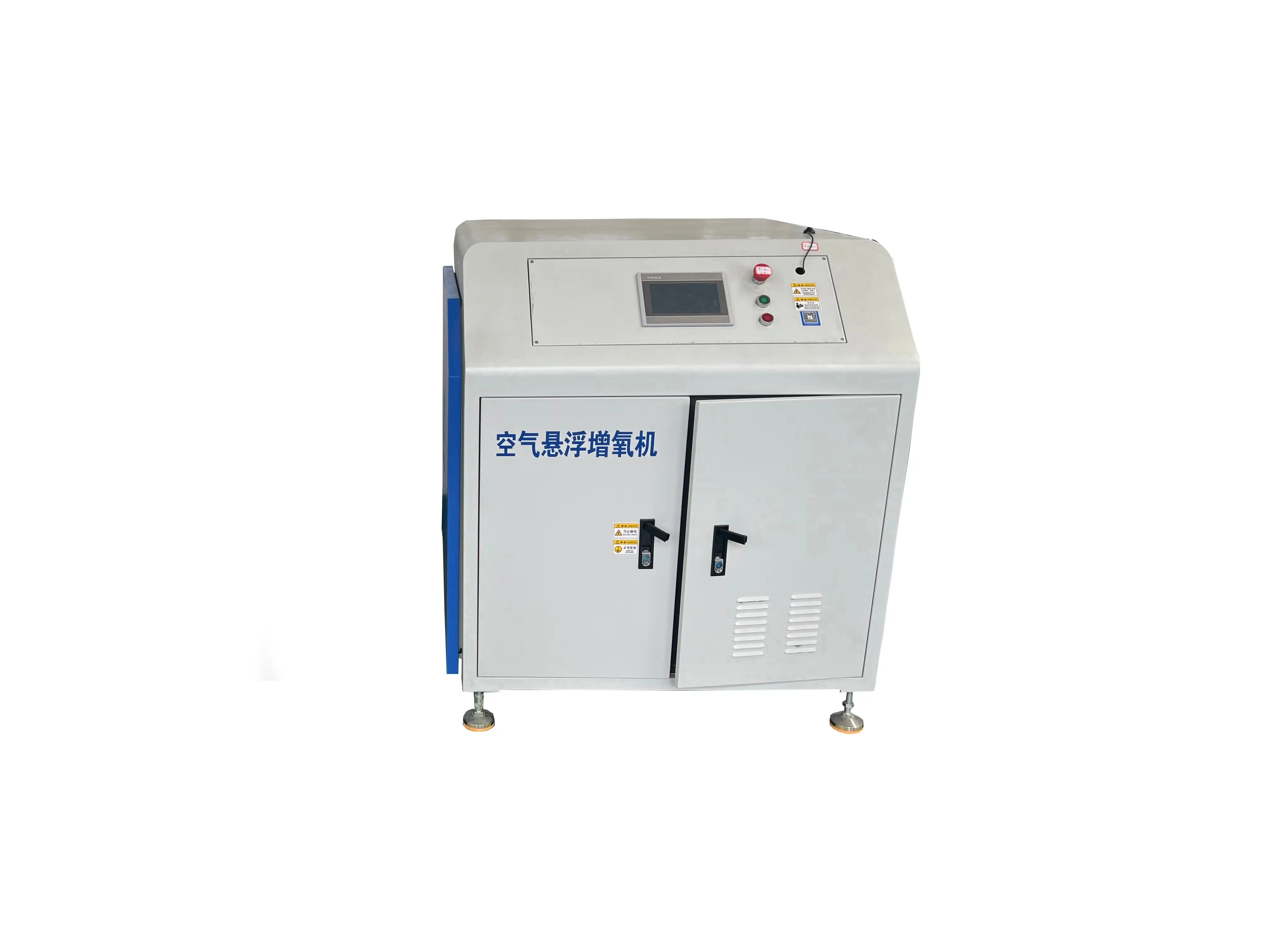
Industrial manufacturing is undergoing a significant transformation driven by precision and efficiency demands. The air bearing blower has emerged as a critical technology reshaping how facilities handle fluid dynamics, material handling, and precision applications. Unlike traditional roller or ball bearing systems, this innovative approach uses pressurized air to create a frictionless gap, enabling equipment to operate at unprecedented speeds and accuracy levels. The growth of air bearing blower adoption reflects a broader industry shift toward technologies that reduce maintenance burden, extend equipment lifespan, and improve operational reliability.
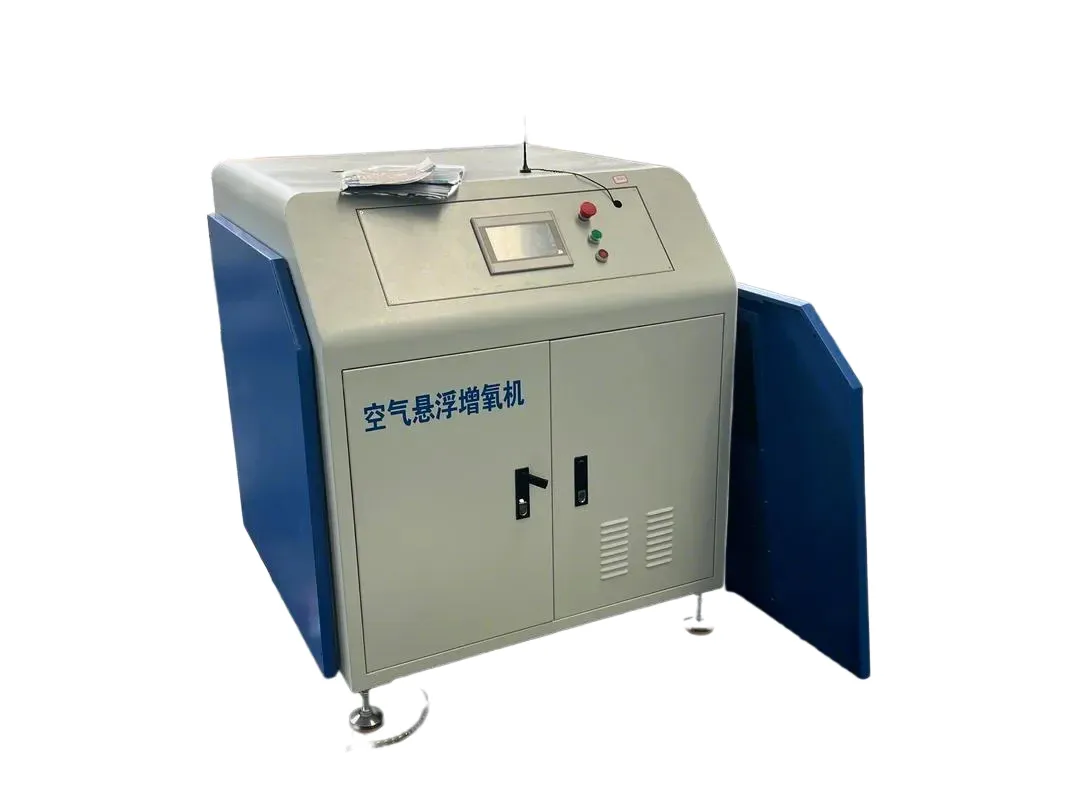
The expansion of spindle air bearing system technology across multiple industrial sectors demonstrates clear business value. Manufacturers investing in pneumatic bearing technology report measurable improvements in production capacity, product quality, and total cost of ownership. Precision centrifugal blower designs now power applications ranging from semiconductor manufacturing to pharmaceutical processing, textile production, and food processing industries. This widespread adoption stems from fundamental advantages that address long-standing operational pain points.
How Spindle Air Bearing Systems Enhance Industrial Performance
Eliminating Friction and Mechanical Wear
Traditional mechanical bearings rely on rolling contact, which inevitably generates friction, heat, and wear particles. Spindle air bearing system technology eliminates this mechanical contact entirely by creating a controlled air film between moving components. The pneumatic bearing technology maintains precise spacing through pressure regulation, allowing shafts and rotors to spin freely without physical contact. This fundamental difference dramatically reduces maintenance requirements, as there are no traditional bearing components to lubricate, adjust, or replace. Equipment utilizing air bearing blower technology experiences virtually zero wear from the bearing system itself, translating to dramatically extended operational intervals and reduced downtime.
Achieving Superior Speed and Precision
Speed limitations in traditional bearing systems stem from friction constraints and mechanical stress tolerances. Precision centrifugal blower applications demand operating speeds that conventional systems cannot safely sustain. Air bearing blower technology removes these barriers by decoupling speed from bearing wear patterns. Industrial facilities now operate equipment at rates previously considered impossible, whether driving high-speed spindles for precision grinding, powering rapid centrifugal separation processes, or enabling ultra-fast material conveyance. The spindle air bearing system architecture supports these speeds while maintaining the tight tolerances essential for quality-critical manufacturing.
Why Pneumatic Bearing Technology Drives Lower Total Cost of Ownership
Reduced Maintenance and Operational Disruption
Maintenance schedules represent substantial fixed costs in industrial operations. Traditional bearing systems require regular lubrication, periodic adjustment, component replacement, and scheduled downtime for preventive maintenance. Pneumatic bearing technology eliminates most of these requirements. The air bearing blower operates continuously without requiring bearing service, oil changes, or component replacements. Industries implementing precision centrifugal blower systems report maintenance cost reductions of forty to sixty percent compared to traditional mechanical bearing equipment. Beyond direct maintenance savings, the elimination of unscheduled downtime provides significant productivity gains, particularly in continuous-process industries where equipment failure disrupts entire production lines.
Extended Equipment Lifespan and Asset Value
Equipment longevity directly impacts capital investment efficiency. Spindle air bearing system technology extends the operational lifespan of machinery significantly because there are no wearing components experiencing friction and degradation. A precision centrifugal blower system built on air bearing technology can reliably operate for decades with minimal component replacement, whereas traditional bearing systems require replacement after five to ten years. This extended lifespan improves return on capital investment and allows manufacturers to defer equipment replacement cycles. The pneumatic bearing technology approach transforms bearings from consumable, wear-out components into essentially permanent structural elements.
Strategic Industrial Applications Accelerating Adoption
Semiconductor and Precision Manufacturing
Semiconductor production demands extreme cleanliness and precision that traditional bearing systems struggle to maintain. Particles generated from mechanical bearing wear contaminate production environments and compromise product quality. The air bearing blower technology eliminates this contamination source entirely, enabling production environments that meet ultra-high purity standards. Precision grinding, polishing, and material removal operations increasingly rely on spindle air bearing systems that maintain nanometer-scale tolerances at sustained high speeds. These applications drive significant volumes of air bearing blower technology adoption among semiconductor equipment manufacturers.
Pharmaceutical and Food Processing
Regulatory requirements in pharmaceutical and food processing industries mandate contamination prevention and sterility assurance. Equipment with traditional bearings requires specialized sealing systems to prevent lubricant migration into product streams. Pneumatic bearing technology eliminates bearing lubrication entirely, removing this contamination pathway completely. Precision centrifugal blower systems used for separator applications, centrifugal processing, and material conveyance now operate in these industries without creating regulatory compliance risks. The spindle air bearing system design satisfies the strictest industry standards while operating at the high speeds and continuous duty cycles these applications require.
FAQ
What makes air bearing blower technology different from traditional bearing systems?
Air bearing blower technology uses pressurized air to create a frictionless separation between moving components, whereas traditional bearings rely on rolling contact that generates friction and wear. This fundamental difference eliminates mechanical wear, reduces maintenance requirements, enables higher speeds, and extends equipment lifespan. The spindle air bearing system requires no lubrication and produces no wear particles, making it ideal for precision and contamination-sensitive applications.
How does pneumatic bearing technology reduce operational costs?
Pneumatic bearing technology reduces costs through lower maintenance requirements, elimination of downtime for bearing service, extended equipment lifespan, and improved productivity. A precision centrifugal blower system built on air bearing technology requires no scheduled bearing maintenance, no lubricant changes, and no bearing component replacement. These cost reductions combine with improved uptime and extended asset life to significantly lower total cost of ownership compared to traditional mechanical systems.
Which industries benefit most from precision centrifugal blower systems?
Industries requiring high speeds, precise tolerances, and contamination prevention benefit most from air bearing blower technology. Semiconductor manufacturing, pharmaceutical processing, food production, and precision grinding operations extensively adopt these systems. Any industry where traditional bearing wear generates unacceptable costs, contamination risks, or performance limitations represents a strong fit for spindle air bearing system adoption and pneumatic bearing technology implementation.