
 EN
EN
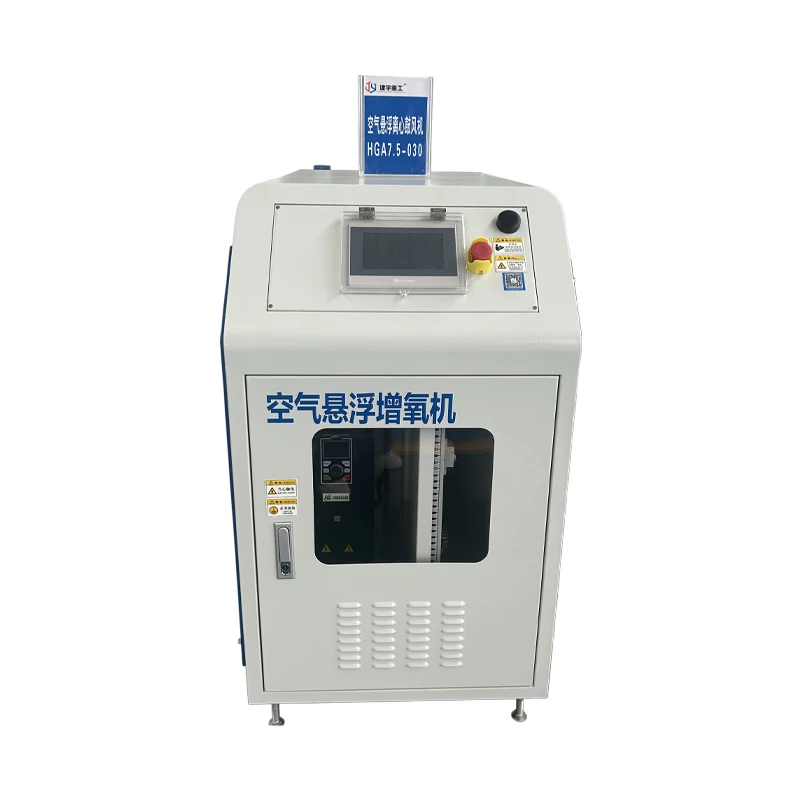
An air bearing blower represents a fundamental shift in how industrial equipment handles rotational motion and fluid dynamics. Unlike traditional blowers that rely on mechanical bearings, friction surfaces, and contact-based support systems, an air bearing blower uses compressed air to create a frictionless suspension layer between the rotor and housing. This innovative approach eliminates the wear, heat generation, and maintenance burdens associated with conventional bearing technologies. For manufacturers seeking precision, reliability, and extended operational lifecycles, understanding these differences is critical to making informed equipment decisions.
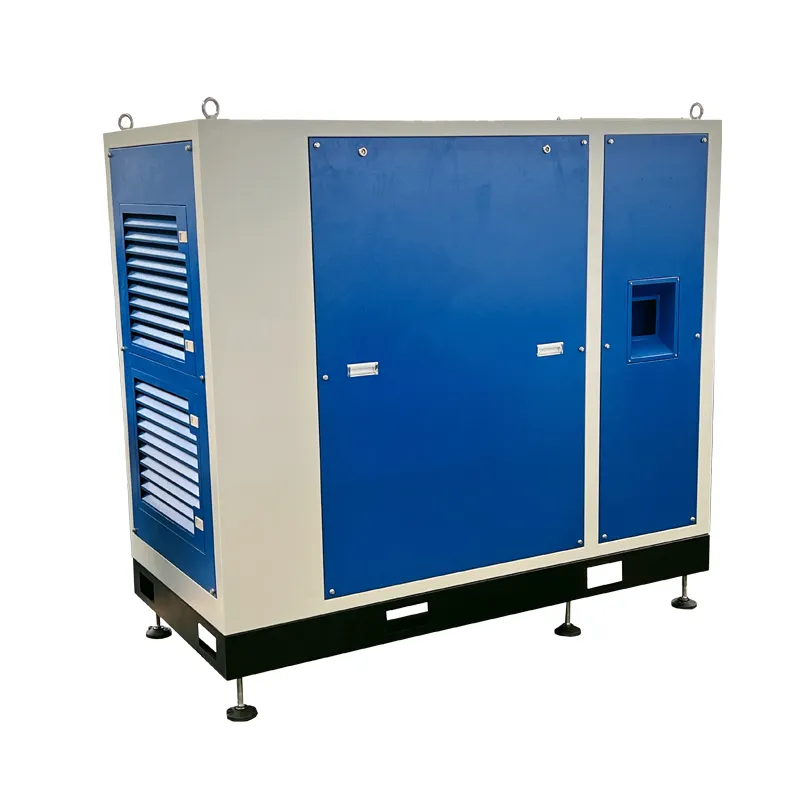
The spindle air bearing system at the core of an air bearing blower creates a dynamic pressure wedge that suspends the rotating element without any physical contact. This pneumatic bearing technology operates on principles of aerodynamic lift and pressure distribution, delivering performance characteristics that traditional rolling element bearings cannot match. The precision centrifugal blower design built around this technology offers superior speed stability, lower vibration, and dramatically reduced maintenance requirements compared to friction-based alternatives.
How Pneumatic Bearing Technology Functions
Frictionless Suspension Mechanism
Pneumatic bearing technology eliminates the rolling elements, races, and contact surfaces that define conventional bearings. Instead, compressed air is precisely metered into the bearing gap through restrictors or compensation elements. This creates a pressurized air film that dynamically supports the rotor. The spindle air bearing system maintains clearances typically measured in micrometers, generating load capacity through fluid pressure rather than mechanical contact. This frictionless approach delivers inherent benefits that mechanical systems simply cannot replicate at comparable operating speeds and precision levels.
Pressure Distribution and Load Management
The precision centrifugal blower design leverages pressure distribution patterns to support radial and axial loads simultaneously. Air enters the bearing pockets under controlled pressure, expands radially outward, and escapes through the bearing clearance. This pressure gradient automatically compensates for shaft deflection and external loads, providing self-adjusting support without active intervention. The pneumatic bearing technology inherently dampens vibration and thermal effects, creating a highly stable rotational environment ideal for high-speed applications where mechanical bearing friction would generate excessive heat and wear.
Key Performance Differences From Traditional Equipment
Speed Capabilities and Thermal Stability
Traditional bearing-based blowers face inherent speed limitations due to friction heating and lubrication film breakdown at extreme operating velocities. An air bearing blower eliminates friction entirely, permitting sustained operation at speeds that would destroy mechanical bearings. This frictionless operation dramatically reduces heat generation, maintaining stable thermal performance across extended run times. The spindle air bearing system allows manufacturers to design high-speed centrifugal impellers that achieve superior pressure ratios and flow rates with lower noise signatures. Precision centrifugal blower designs powered by pneumatic bearing technology can operate continuously without the thermal cycling stress that shortens mechanical bearing life.
Maintenance Requirements and Operational Cost
Conventional blowers demand routine maintenance including bearing lubrication, seal replacement, alignment verification, and vibration monitoring. An air bearing blower eliminates bearing maintenance entirely, requiring only air supply verification and basic housing inspection. Without rolling elements, races, or sliding seals, there is no wear debris generation, no lubricant breakdown products, and no friction-induced failure mechanisms. The spindle air bearing system operates cleanly, producing no particulate contamination that would compromise product quality in sensitive manufacturing environments. Organizations using precision centrifugal blower technology report maintenance cost reductions exceeding 70 percent over equivalent mechanical bearing alternatives across multi-year service cycles.
Precision and Vibration Control
Mechanical bearings introduce inherent runout and compliance that degrades rotational precision and generates vibration harmonics. The pneumatic bearing technology delivers concentricity and dynamic balance unattainable with rolling element designs. An air bearing blower provides inherent damping through the air film stiffness, actively suppressing vibration amplitude across frequency ranges. This precision performance benefits high-precision manufacturing processes, laboratory instrumentation, and noise-sensitive applications where vibration transmission and audible noise present operational constraints. The spindle air bearing system eliminates radial and axial play, maintaining rotor positioning accuracy throughout the service life regardless of rotational speed.
Industrial Applications and Suitability Considerations
Ideal Use Cases for Air Bearing Blower Technology
An air bearing blower excels in applications demanding sustained high-speed operation, precision performance, and minimal maintenance intervention. Semiconductor wafer handling, precision grinding spindles, dental drill systems, and laboratory centrifuges represent environments where pneumatic bearing technology delivers distinct advantages over conventional alternatives. High-pressure and clean room manufacturing processes benefit from the absence of wear debris and lubricant vapor associated with mechanical bearings. The spindle air bearing system performs exceptionally in applications requiring consistent pressure delivery, stable rotation speed, and compliance with contamination-free manufacturing protocols. Precision centrifugal blower designs address specialized industrial applications where thermal stability and vibration suppression directly impact process quality and equipment reliability.
Operational Requirements and System Integration
An air bearing blower requires reliable compressed air supply with appropriate pressure, flow capacity, and filtration specifications. Unlike mechanical bearing systems that operate passively, pneumatic bearing technology demands system integration with air treatment infrastructure. Organizations must provide regulated supply air at specified pressure levels, typically ranging from 4 to 8 bar depending on blower design. The spindle air bearing system requires air drying and particle filtration to maintain performance and prevent restrictor element contamination. Precision centrifugal blower installations benefit from proximity to compressed air infrastructure and the ability to monitor supply pressure consistency. Industrial facilities with existing air utility systems find air bearing blower integration straightforward, while organizations lacking centralized air supply must evaluate capital investment requirements against operational benefit projections.
FAQ
What is the primary advantage of an air bearing blower compared to traditional bearing systems?
The primary advantage is the elimination of friction and physical contact between rotating and stationary components. An air bearing blower operates frictionlessly, generating no heat, wear, or maintenance demands associated with rolling element bearings. This pneumatic bearing technology enables sustained high-speed operation, extends equipment service life indefinitely, and eliminates bearing-related failures that plague conventional blowers. Organizations benefit from dramatically reduced maintenance costs, superior speed stability, and improved precision performance across demanding industrial applications.
How does pneumatic bearing technology ensure reliable operation without mechanical contact?
Pneumatic bearing technology maintains a pressurized air film between rotating and stationary surfaces, creating a dynamic suspension layer that supports loads through fluid pressure rather than mechanical engagement. The spindle air bearing system automatically compensates for shaft deflection, thermal effects, and external loads by adjusting pressure distribution instantaneously. This self-regulating mechanism ensures reliable operation across variable operating conditions without active feedback control. As long as adequate supply air pressure and flow remain available, the air bearing blower maintains stable rotor positioning and smooth rotation indefinitely.
Are air bearing blower systems suitable for all industrial applications?
Air bearing blower technology excels in high-speed precision applications, clean room manufacturing, and environments demanding minimal maintenance intervention. The spindle air bearing system requires reliable compressed air supply infrastructure, which may represent additional system complexity in facilities lacking centralized air utility systems. Precision centrifugal blower designs offer distinct advantages in applications prioritizing speed, precision, cleanliness, and operational reliability. Organizations should evaluate compressed air availability, application speed requirements, maintenance priorities, and system integration costs when determining whether an air bearing blower or traditional equipment suits their operational needs.