
 EN
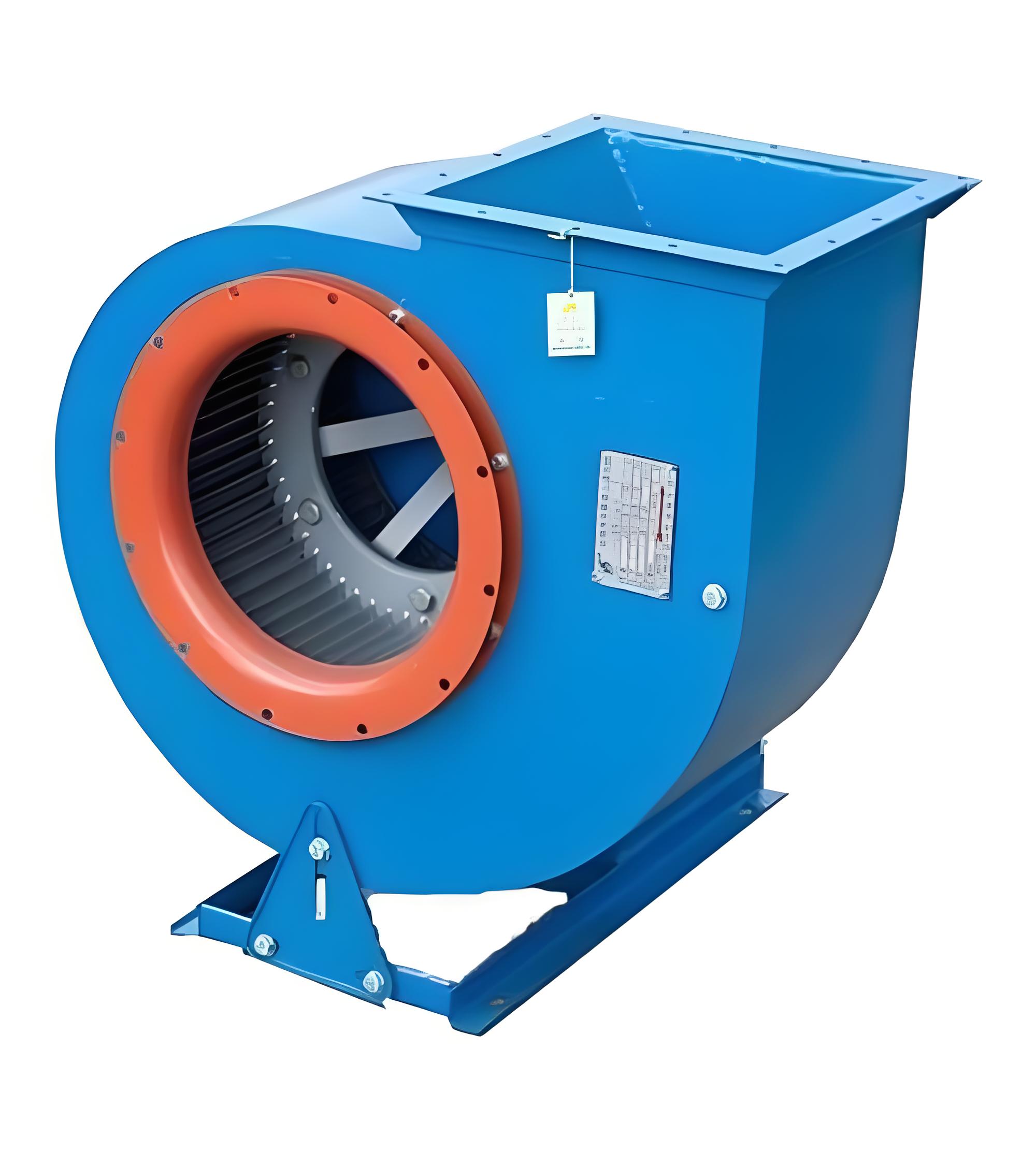
Equipment manufacturers face significant design challenges when incorporating advanced air movement technology into original equipment designs. Successfully integrating a centrifugal air blower requires careful planning, engineering coordination, and understanding of how these components interact with existing systems. The stakes are high: poor integration can compromise performance, increase operational costs, and damage equipment reliability in demanding industrial environments.
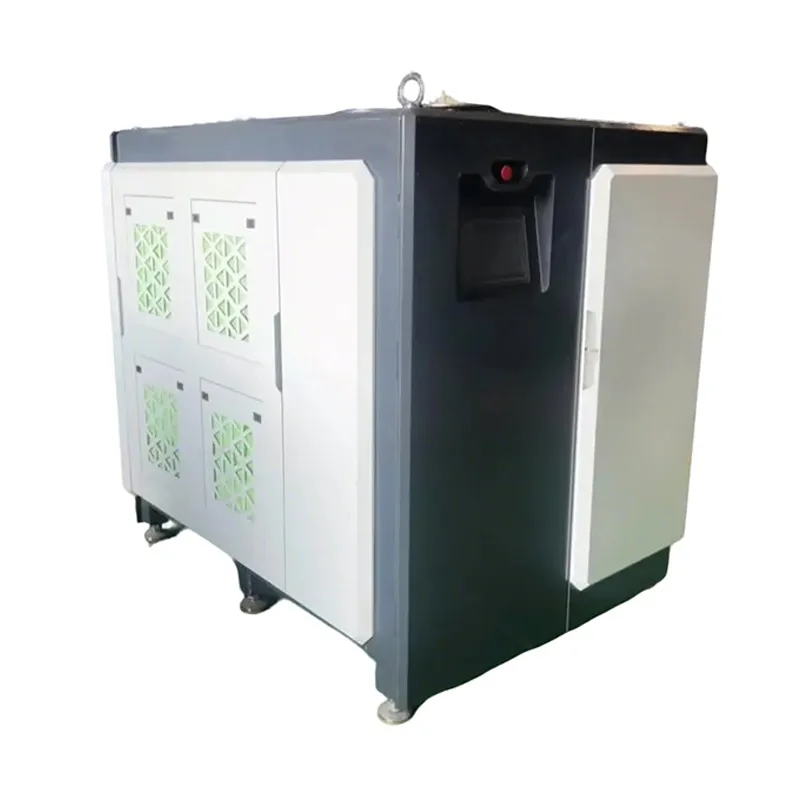
Modern industrial ventilation systems depend on precision engineering and seamless component compatibility. When integrating high pressure air movement equipment into OEM designs, manufacturers must balance performance specifications, physical constraints, thermal management, and noise control. This guide walks through the practical steps and technical considerations that transform a standalone blower into a fully optimized subsystem within larger equipment architectures.
Design Assessment and Specification Alignment
Understanding Application Requirements
Before selecting or designing around a centrifugal fan noise reduction strategy, manufacturers must clearly define the operational context. What are the target airflow rates, pressure requirements, ambient temperatures, and duty cycles? Industrial ventilation systems operate across wildly different environments—from food processing plants requiring hygiene compliance to mining operations facing dust-heavy conditions. Each scenario demands different performance envelopes, material selections, and integration approaches. Documenting these requirements upfront prevents costly redesigns and ensures the centrifugal air blower delivers intended performance without premature failure or efficiency loss.
Evaluating Space and Mounting Constraints
Physical integration begins with honest assessment of available space within your OEM design. Centrifugal blowers generate significant rotational forces and require adequate clearance for maintenance access, vibration isolation, and thermal expansion. High pressure air movement equipment often needs reinforced mounting frameworks to handle operational stresses. Manufacturers must determine whether the blower mounts directly to the main chassis, requires intermediate support structures, or demands isolation platforms. Undersizing the mounting infrastructure or leaving insufficient clearance creates chronic vibration issues, accelerates bearing wear, and compromises the reliability advantage that proper centrifugal fan noise reduction offers.
Engineering Integration Strategies
Ducting, Inlet, and Outlet Configuration
The performance of industrial ventilation systems depends critically on how air pathways connect to the centrifugal air blower. Poorly designed inlet sections create turbulence and efficiency losses before air even enters the impeller. Outlet ducts must accommodate pressure differentials and airflow velocities without excessive noise generation or resistance. Manufacturers often integrate velocity recovery diffusers and ductwork baffles to manage sound propagation and optimize pressure recovery. When designing these pathways, engineers must account for temperature rise during operation—high pressure air movement equipment generates heat that can warp plastic ducts or stress inadequately sized connections. Proper inlet bell-mouth designs, smooth ductwork transitions, and expansion compensation prevent bottlenecks that would force the centrifugal fan noise reduction systems to work harder than necessary.
Vibration Isolation and Damping
A centrifugal air blower operating at full speed creates rotational imbalances that transmit through mounting points into surrounding structures. Inadequate vibration isolation causes audible noise, premature bearing fatigue, and potential failure of connected equipment. Manufacturers integrate elastomeric isolators, spring mounts, or advanced vibration dampers between the blower housing and OEM frame. These isolation systems decouple the blower's vibrational energy from the main structure, directly supporting centrifugal fan noise reduction objectives. Proper isolator selection requires knowledge of operating speeds, bearing loads, and resonant frequencies of the mounting structure. Over-soft isolators may allow excessive movement; overly stiff mounts fail to isolate effectively. The engineering choice directly affects whether industrial ventilation systems operate quietly or create persistent hum and vibration that annoys operators and signals potential reliability issues.
Performance Optimization and Control Integration
Electrical Integration and Speed Control
Modern high pressure air movement equipment rarely operates at fixed speed. Manufacturers integrate variable frequency drives (VFDs), soft starters, or proportional controllers to match airflow demand to actual operational requirements. A centrifugal air blower running continuously at full power wastes energy and generates unnecessary noise when partial flow suffices. Intelligent control systems monitor downstream pressure, temperature, or flow sensors and modulate blower speed accordingly. This approach simultaneously achieves energy savings, extends component lifespan, and supports centrifugal fan noise reduction by running the unit at lower speeds during low-demand periods. The electrical integration must ensure proper power delivery, thermal management of control components, and safe shutdown protocols.
Thermal Management and Performance Monitoring
Industrial ventilation systems generate heat through friction, compression, and motor losses. Manufacturers must incorporate temperature sensing and ensure adequate cooling pathways so the centrifugal air blower operates within design limits. Excessive heat reduces bearing life, damages insulation, and can trigger safety shutdowns during critical operations. Integration includes thermal switches, temperature sensors wired to control systems, and sometimes auxiliary cooling fans or heat exchangers. Performance monitoring systems track operating parameters in real-time, detecting early signs of bearing wear, imbalance, or blockages that would otherwise progress silently until failure occurs. High pressure air movement equipment equipped with robust monitoring provides maintenance teams with actionable intelligence for predictive service scheduling.
Installation, Testing, and Commissioning
Assembly and Startup Protocols
Even perfectly engineered designs fail during poor installation. Manufacturers provide detailed assembly instructions covering fastener torque specifications, bearing lubrication procedures, and alignment requirements for a centrifugal air blower integration. Factory testing should verify that industrial ventilation systems achieve specified airflow rates, pressure differentials, and noise levels before equipment ships. Initial startup protocols include no-load operation to verify bearing smoothness, gradual speed ramp-up to detect imbalances, and extended baseline runtime to confirm thermal stability. Commissioning at customer sites requires recalibration for local elevation, humidity, and electrical supply variations that affect the centrifugal fan noise reduction effectiveness and overall performance of high pressure air movement equipment.
Documentation and Customer Support
Technical documentation transforms integration knowledge into maintainable assets. Manufacturers provide wiring diagrams, performance curves, maintenance schedules, and troubleshooting guides specific to their centrifugal air blower implementations. Training materials help customer technicians recognize normal operating signatures versus warning signs that signal maintenance needs. Field support teams stay prepared to advise on system expansion, component replacement, or operational adjustments that optimize industrial ventilation systems performance. Comprehensive documentation reduces support costs and builds customer confidence that high pressure air movement equipment will deliver reliable service throughout its operational life.
FAQ
What are the key factors for selecting the right centrifugal air blower for OEM integration?
Selection depends on required airflow volume, system pressure drop, operating temperature range, noise constraints, and available mounting space. High pressure air movement equipment specifications must match your industrial ventilation systems requirements exactly. Oversized blowers waste energy and increase noise; undersized units fail to deliver needed performance. Consulting with manufacturers during early design phases ensures the centrifugal air blower integrates seamlessly rather than requiring expensive retrofits.
How does proper centrifugal fan noise reduction impact overall equipment reliability?
Noise reduction techniques like vibration isolation and optimized ducting design reduce structural stress and bearing loads on the centrifugal air blower. Lower vibration extends component lifespan and minimizes premature failures. Industrial ventilation systems operating quietly signal healthy mechanical condition; persistent noise often indicates mounting problems or imbalance developing within high pressure air movement equipment that requires urgent attention.
What commissioning steps ensure a centrifugal air blower performs as designed after installation?
Factory acceptance testing should verify performance curves and acoustic signatures. On-site commissioning includes baseline measurements of airflow, pressure, temperature, and noise under typical operating conditions. Comparison against design specifications confirms the centrifugal air blower integration succeeded. High pressure air movement equipment performance baseline data supports future troubleshooting if industrial ventilation systems behavior changes unexpectedly during service.