
 EN
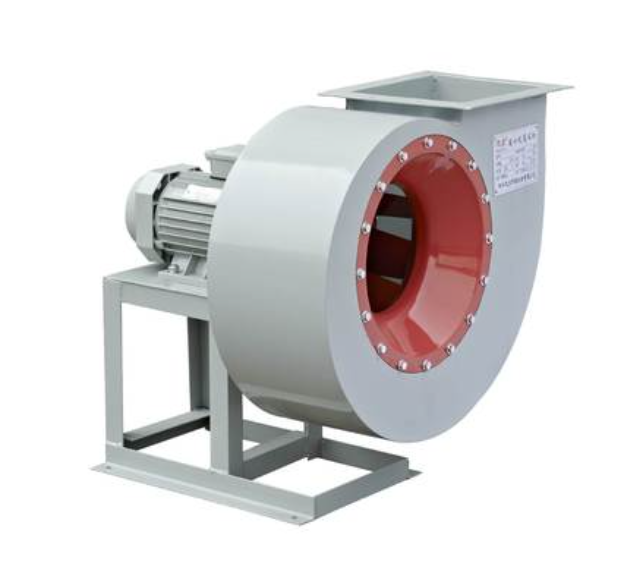
A centrifugal air blower has become the backbone of modern process air applications across industrial sectors. These machines deliver consistent, reliable air movement where precision and dependability matter most. The widespread adoption reflects decades of proven performance in demanding manufacturing, chemical processing, and environmental control environments where standard ventilation simply cannot meet operational requirements.
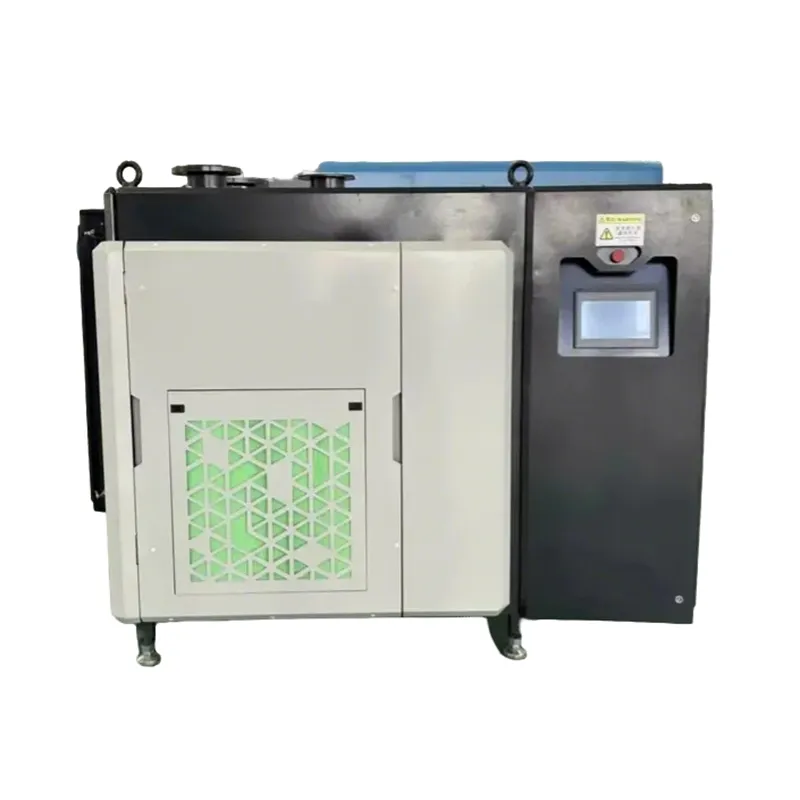
Industrial ventilation systems built around centrifugal fan designs outperform traditional alternatives because of their superior pressure generation, variable speed control, and energy efficiency. From pharmaceutical manufacturing to food processing, high pressure air flow applications depend on the mechanical reliability that only centrifugal technology provides. Understanding why these blowers dominate the market requires examining their engineering advantages, efficiency characteristics, and practical suitability for complex industrial workflows.
Superior Pressure Generation and Flow Control
Delivering Consistent High Pressure Performance
Process air applications frequently require sustained pressure levels that exceed what axial fans can safely deliver. Centrifugal fan efficiency ratings consistently demonstrate pressure capabilities ranging from moderate to extreme, depending on impeller design and motor power. The rotating impeller accelerates air outward through centrifugal force, converting mechanical energy into both velocity and static pressure simultaneously. This dual-output characteristic makes centrifugal air blower units ideal for applications requiring air to travel through filters, ducts, and resistance-laden pathways without performance degradation.
Industrial ventilation systems using centrifugal designs maintain stable airflow even when downstream resistance increases. Temperature fluctuations, dust accumulation, and system changes that would reduce output from other blower types produce minimal impact on centrifugal performance. This stability proves essential in pharmaceutical cleanrooms, semiconductor manufacturing, and chemical processing facilities where airflow consistency directly affects product quality and regulatory compliance.
Variable Output and System Flexibility
High pressure air flow applications benefit enormously from centrifugal blower capacity to operate across wide speed ranges. Variable frequency drives paired with modern centrifugal units allow operators to adjust output from minimal standby levels to maximum design capacity, matching production demands precisely. Centrifugal fan efficiency ratings improve when systems run at optimal speeds rather than constant full operation, reducing energy consumption by thirty to fifty percent compared to fixed-speed alternatives. This flexibility transforms energy efficiency from a static design feature into an active operational advantage that compounds savings across years of continuous use.
Reliability and Durability in Harsh Conditions
Engineered Robustness for Industrial Environments
Process air applications exist in environments where equipment failure creates immediate production loss and safety hazards. Centrifugal air blower construction typically incorporates heavy-duty materials, reinforced bearings, and precision machining that withstand prolonged operation under stress. The sealed bearing design common in industrial ventilation systems prevents contamination that would compromise performance or shorten service life. Industrial facilities selecting equipment for demanding applications prioritize reliability over lower initial cost, and centrifugal technology consistently delivers the durability that justifies this investment.
Maintenance intervals for properly designed centrifugal units extend far beyond competitors' requirements because the basic mechanical design minimizes wear. Unlike alternative technologies requiring frequent blade cleaning or bearing lubrication, industrial ventilation systems based on centrifugal principles operate for years with minimal intervention. This reliability advantage directly reduces total cost of ownership and operational disruption, factors that manufacturers weigh heavily when evaluating long-term equipment decisions.
Performance Stability Across Operating Conditions
High pressure air flow applications demand consistent output whether ambient temperature climbs, inlet filters load with dust, or downstream resistance changes unexpectedly. Centrifugal fan efficiency ratings reflect this consistency because the impeller design naturally compensates for many variables that affect performance. While pressure-sensitive axial designs deteriorate under changing conditions, centrifugal air blower performance remains predictable and controllable. This characteristic proves invaluable in chemical processing where reaction temperatures shift, in textile manufacturing where humidity varies, and in material handling where dust levels fluctuate throughout operational cycles.
Energy Efficiency and Operating Economy
Optimized Design for Lower Operating Costs
Industrial ventilation systems incorporating modern centrifugal technology consume significantly less electrical power than earlier generations while delivering superior performance. Centrifugal fan efficiency ratings now reflect advanced impeller designs that maximize air movement per watt of input power. The smooth, optimized airflow path inside modern centrifugal housings reduces turbulence and recirculation losses that previous designs suffered. This engineering advancement means high pressure air flow applications achieve required output using smaller motors and lower energy consumption than alternative technologies would demand.
Energy savings compound dramatically when considering continuous operation across facility footprints spanning multiple application points. A manufacturing plant running dozens of centrifugal air blower units for ventilation, cooling, dust collection, and pneumatic conveying can reduce electrical demand by substantial percentages through efficiency gains alone. Over five-year operational periods, these savings typically exceed initial equipment cost premiums, creating favorable financial returns that justify selecting premium centrifugal technology from the outset.
Integration with Smart Control Systems
Contemporary centrifugal fan efficiency ratings improve further through integration with automated monitoring and speed adjustment systems. Process air applications increasingly utilize sensors that communicate blower speed requirements to variable frequency drives, optimizing output moment-by-moment based on actual demand. Industrial ventilation systems now operate at average speeds substantially below maximum design capacity, reducing energy consumption while maintaining required pressure and flow for all operating scenarios. This intelligent operation capability distinguishes modern centrifugal units from basic constant-speed alternatives and delivers tangible operational advantages across diverse application environments.
Suitability for Diverse Process Applications
Adaptability Across Manufacturing Sectors
The widespread deployment of centrifugal air blower technology across industrial sectors reflects genuine versatility rather than simple market inertia. Pharmaceutical manufacturing depends on high pressure air flow applications for cleanroom pressurization and controlled contamination management. Food processing operations require centrifugal fan units for cooling, drying, and conveying applications where contamination risks demand sealed, reliable equipment. Chemical facilities, semiconductor manufacturers, metalworking operations, and textile producers all select centrifugal technology because it matches their specific operational requirements better than alternatives. Industrial ventilation systems designed around centrifugal principles scale effectively from small dedicated applications to large centralized systems serving entire facility complexes.
This cross-sector applicability stems from the fundamental advantages that centrifugal design provides: pressure generation, reliability, efficiency, and controllability. Whether industrial facilities require targeted spot cooling, dust collection system support, pneumatic conveying assistance, or general process air delivery, centrifugal air blower technology addresses the core requirements effectively. No single alternative technology offers comparable capability across this spectrum of diverse applications, explaining the prevalence of centrifugal solutions in modern process environments.
Scalability and Customization Options
Process air applications span enormous ranges in required airflow and pressure, from modest 500 CFM requirements to industrial-scale 50,000 CFM systems. Centrifugal fan designs accommodate this spectrum through multiple impeller configurations, motor sizes, and housing options. High pressure air flow applications can specify designs optimized specifically for pressure generation, while lower-pressure high-volume needs can employ different blade geometries and casings. Industrial ventilation systems can therefore employ single-source technology across entire facilities, simplifying procurement, maintenance, and operator training. This standardization reduces spare parts inventory requirements and enables technicians to troubleshoot familiar equipment designs throughout their facilities.
FAQ
What makes centrifugal air blower technology superior to axial fan designs for process applications?
Centrifugal air blower designs generate substantially higher pressure than comparable axial alternatives while maintaining excellent efficiency. High pressure air flow applications benefit from the centrifugal design's ability to overcome downstream resistance from filters, ducts, and equipment connections. Industrial ventilation systems based on centrifugal principles operate reliably across wider ranges of ambient conditions and loading scenarios, whereas axial designs suffer performance degradation under similar stress. The sealed bearing design and robust construction of centrifugal units also deliver superior reliability in demanding industrial environments where equipment failure creates costly production disruption.
How do centrifugal fan efficiency ratings compare to other blower technologies across operational ranges?
Modern centrifugal fan efficiency ratings peak between 75 and 90 percent across their design operating range, comparing favorably to most alternative technologies. High pressure air flow applications benefit particularly from this efficiency because centrifugal designs maintain stable output as downstream resistance changes, whereas other technologies experience efficiency degradation under varying load conditions. Industrial ventilation systems utilizing variable frequency drive control can operate near peak efficiency across typical application ranges, maximizing energy savings throughout operational cycles. Real-world field data consistently demonstrates that centrifugal air blower installations consume less power than alternative designs while delivering superior pressure consistency and reliability.
Can process air applications achieve adequate performance with simpler, lower-cost blower alternatives?
While lower-cost alternatives exist, most demanding process air applications ultimately select centrifugal air blower technology because performance, reliability, and total operating costs favor this choice. High pressure air flow applications specifically require the pressure generation that centrifugal designs uniquely provide; alternative technologies simply cannot deliver equivalent output in compact form. Industrial ventilation systems operating in harsh manufacturing environments experience unacceptable downtime and maintenance costs with simpler alternatives, quickly erasing any initial cost savings. For pharmaceutical, chemical, food processing, and semiconductor applications where product quality and regulatory compliance depend on reliable air management, centrifugal technology represents the most cost-effective long-term solution despite higher upfront expenses.
Table of Contents
- Superior Pressure Generation and Flow Control
- Reliability and Durability in Harsh Conditions
- Energy Efficiency and Operating Economy
- Suitability for Diverse Process Applications
-
FAQ
- What makes centrifugal air blower technology superior to axial fan designs for process applications?
- How do centrifugal fan efficiency ratings compare to other blower technologies across operational ranges?
- Can process air applications achieve adequate performance with simpler, lower-cost blower alternatives?