
 EN
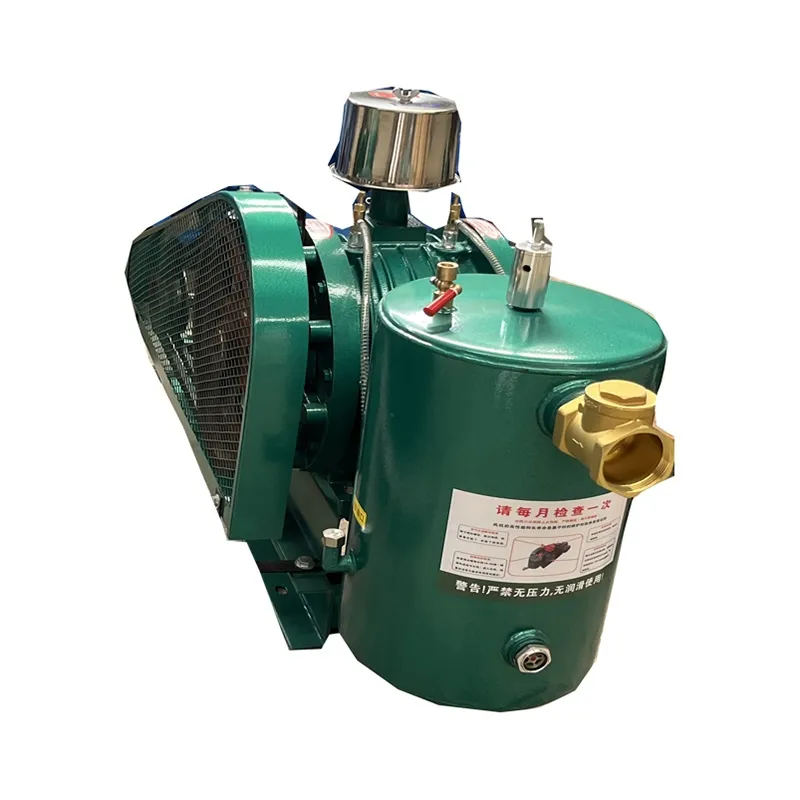
A rotary lobe blower stands out in industrial air handling because it uses a fundamentally different operating principle than most conventional blowers. Rather than relying on acceleration and deceleration of air particles, this positive displacement design traps and moves air volumes in a consistent, predictable manner. This distinction shapes everything from energy consumption and pressure capabilities to maintenance requirements and application suitability. Understanding these differences is essential for equipment managers, engineers, and procurement professionals selecting the right blower technology for their operations.
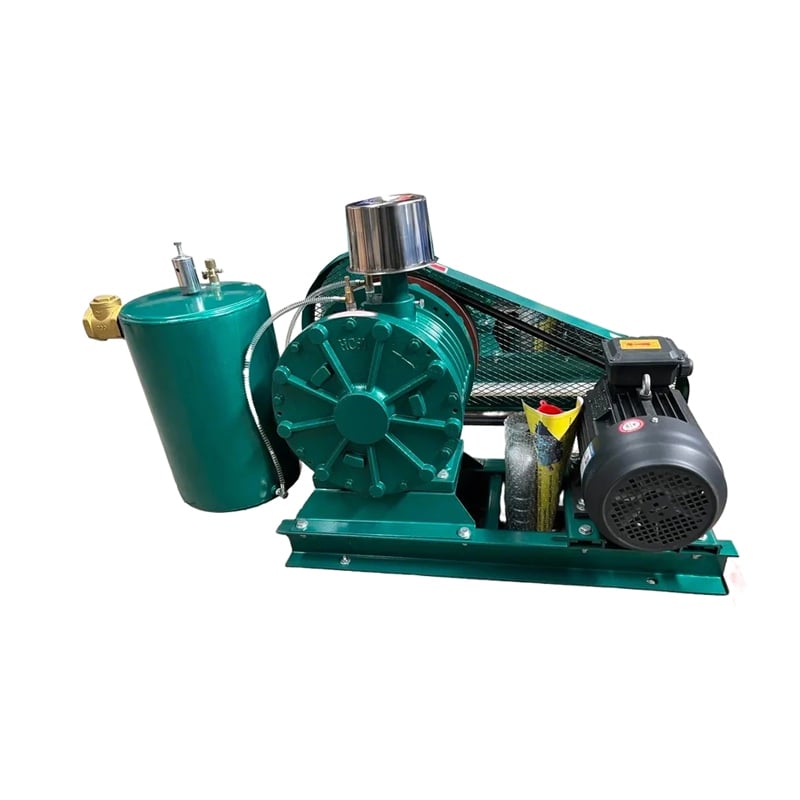
The core advantage of a rotary lobe blower lies in its positive displacement mechanism, which guarantees a fixed volume of air transfer per revolution regardless of discharge pressure variations. This reliability makes rotary lobe blowers particularly valuable for positive displacement blower applications where pressure consistency, uniform flow delivery, and predictable performance are non-negotiable. Industries ranging from wastewater treatment to pneumatic conveying depend on this steadiness to maintain process integrity and efficiency across shifting operational conditions.
How Positive Displacement Technology Creates Superior Performance
The Mechanical Principle Behind Positive Displacement
A rotary lobe blower operates by using two figure-eight-shaped rotors that rotate in opposite directions within a chamber. As the rotors spin, they create expanding and contracting chambers that trap air and force it toward the discharge port. This mechanism differs fundamentally from centrifugal designs, which accelerate air outward using impeller speed. The positive displacement method ensures that the volume of air moved per cycle remains constant, independent of system resistance or pressure demands. This predictability is why positive displacement blower applications command such high reliability ratings in critical industrial processes.
Why Pressure Stability Matters in Industrial Operations
Centrifugal blowers lose performance rapidly as discharge pressure increases, causing airflow to drop significantly. Rotary lobe blowers maintain nearly constant flow across a wide pressure range, making them ideal for systems requiring stable output under variable load conditions. This pressure independence is especially valuable in wastewater aeration, pneumatic conveying, and gas transfer applications where system demand fluctuates throughout the operating cycle. A rotary lobe blower versus centrifugal blower comparison typically reveals that the rotary design holds flow consistency 3 to 5 times better under increasing backpressure.
Maintenance and Troubleshooting Considerations
Rotary Lobe Blower Maintenance and Troubleshooting Fundamentals
Rotary lobe blower maintenance and troubleshooting demands differ significantly from centrifugal equipment due to the precision tolerances required. The two rotors must maintain minimal clearance to prevent air leakage between chambers, which means bearing wear, rotor damage, and seal degradation are critical monitoring points. Regular oil analysis, vibration monitoring, and visual inspection of discharge temperature help detect early deterioration before failures occur. Proper maintenance schedules directly impact service life and operational efficiency, with well-maintained units often delivering 15,000 to 20,000 hours of reliable service.
Common Issues and Prevention Strategies
Overheating is one of the most frequent problems in rotary lobe blower maintenance and troubleshooting protocols. When clearances tighten due to wear or debris ingestion, internal friction increases dramatically, raising discharge air temperature. Implementing inlet air filtration, monitoring oil condition, and adhering to manufacturer cooling recommendations prevents most thermal issues. Cavitation and noise are additional concerns; cavitation occurs when inlet pressure drops below atmospheric levels, causing performance loss and equipment stress. Proper suction line sizing and intake filter selection eliminate this risk entirely.
Comparing Technology Types and Application Fit
When a Rotary Lobe Blower vs Centrifugal Blower Comparison Matters Most
Choosing between a rotary lobe blower versus centrifugal blower comparison requires understanding the specific demands of your application. Rotary designs excel in fixed-volume transfer operations, moderate pressure requirements up to 15 psi gauge, and systems requiring flow consistency. Centrifugal blowers offer superior energy efficiency at very high volumes and low-pressure conditions, with no clearance sensitivity and longer bearing life in some configurations. A rotary lobe blower versus centrifugal blower comparison for wastewater aeration typically favors the rotary design because aeration demand remains constant and pressure stability is paramount.
Positive Displacement Blower Applications Across Industries
Positive displacement blower applications span wastewater treatment, industrial gas transfer, pneumatic conveying, vacuum systems, and food processing. Wastewater aeration systems rely on positive displacement blower applications to deliver steady oxygen transfer rates and maintain sludge suspension. Pneumatic conveying systems use rotary lobe technology to move powders, granules, and fibrous materials without pulsation or surge. Each positive displacement blower applications sector demands the stability and pressure independence that only rotary designs reliably provide. The investment in rotary technology pays dividends through consistent product quality, reduced process variability, and lower maintenance emergencies.
FAQ
Why is flow consistency more important than raw airflow volume in many industrial settings?
Process stability and product quality depend directly on predictable air delivery. In wastewater aeration, fluctuating oxygen transfer rates damage nitrification bacteria colonies and reduce treatment efficiency. In pneumatic conveying, flow surges create material segregation and blocked lines. A rotary lobe blower maintains consistent delivery regardless of system resistance, making it essential for operations where variability causes product loss, safety risks, or regulatory violations. This reliability justifies the higher initial cost in mission-critical applications.
Can a rotary lobe blower handle high-pressure applications like centrifugal blowers can?
Rotary lobe blowers are rated for discharge pressures typically up to 15 psi gauge, while some specialized models reach 25 psi. Centrifugal blowers can exceed 30 psi with fewer constraints. However, for positive displacement blower applications requiring consistent moderate pressure, the rotary design outperforms centrifugal units in efficiency and reliability. High-pressure pneumatic systems beyond 20 psi may require hybrid solutions or staged compressors rather than rotary blower selection.
What is the expected service life of a rotary lobe blower with proper maintenance?
Well-maintained rotary lobe units typically deliver 15,000 to 20,000 operating hours before major overhaul becomes necessary. Lifespan depends critically on inlet air quality, oil condition, bearing maintenance, and operating temperature control. Rotary lobe blower maintenance and troubleshooting protocols that emphasize preventive care, regular oil changes every 500 to 1,000 hours, and prompt rotor inspection extend service intervals significantly. Some installations achieving excellent maintenance practices report functional performance exceeding 25,000 hours before major component replacement.