
 EN
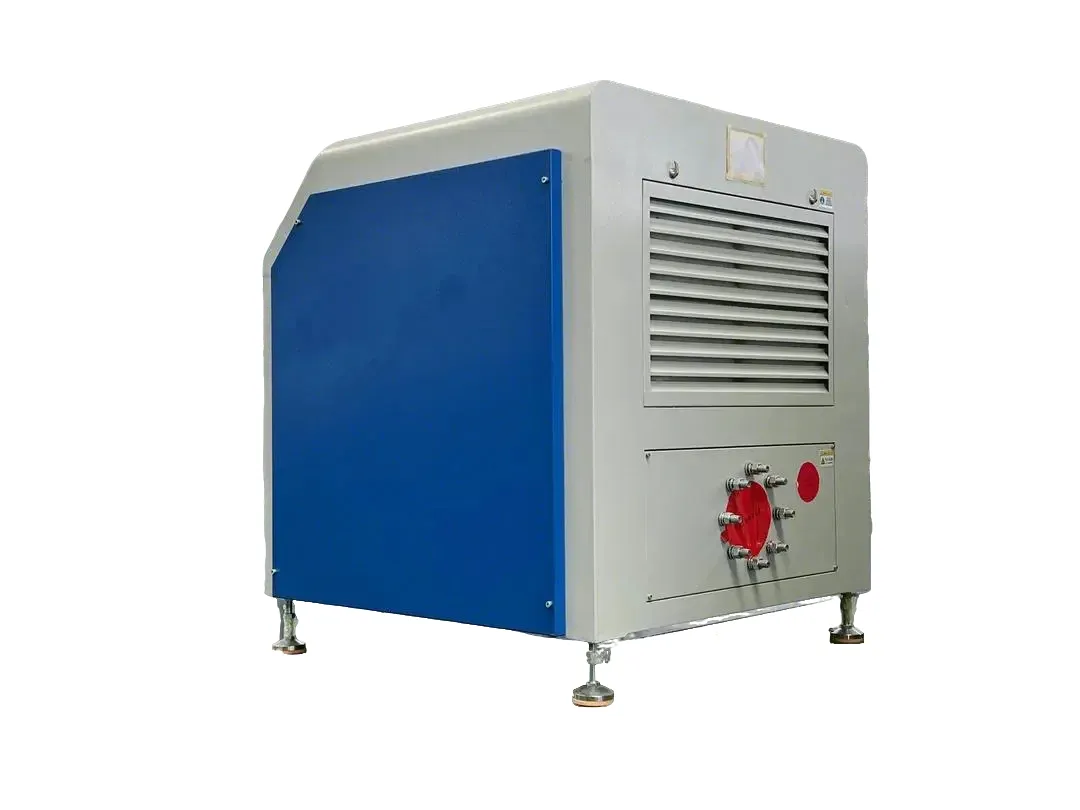
Industrial aeration systems demand reliable equipment that balances performance with operational costs. An air suspension blower represents a significant advancement in achieving this balance by incorporating suspension technology that reduces vibration, minimizes energy waste, and extends equipment lifespan. This technology has become increasingly vital as industries face pressure to reduce carbon footprints while maintaining production efficiency.
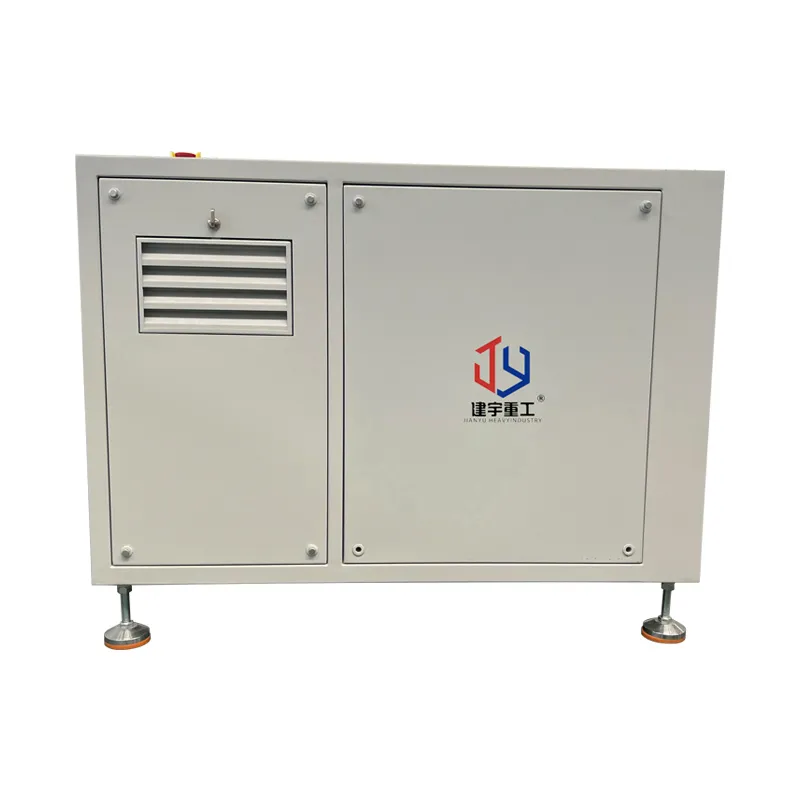
The energy efficiency improvements delivered by modern air suspension systems stem from their ability to operate at optimal pressure levels with minimal mechanical losses. Unlike traditional rigid-mount blower installations, suspended designs absorb operational vibration internally, reducing friction in transmission systems and lowering overall power consumption. Understanding how these systems work and how to maintain them properly is essential for facility managers seeking to optimize aeration performance.
How Air Suspension Blowers Enhance Energy Performance
Vibration Damping and Pressure Optimization
An air suspension blower functions by isolating the motor and impeller assembly from the mounting structure using pressurized air chambers. This isolation dramatically reduces the mechanical vibration transferred to the facility foundation and connected piping. When vibration decreases, mechanical friction throughout the system drops correspondingly, which directly translates to lower energy consumption per unit of air delivery. The air blower pressure specifications must be calibrated precisely to achieve this balance without compromising structural stability or airflow performance.
The suspension technology allows the blower to operate within a narrower resonance band, meaning the equipment avoids dangerous vibration peaks that would otherwise require additional structural bracing or dampening measures. This inherent stability reduces wear on bearings and seals, extending component life and reducing unplanned maintenance shutdowns. Industrial facilities have documented energy savings of 8 to 15 percent simply by upgrading to air suspension designs compared to fixed-mount alternatives in comparable applications.
Pressure Stability and System Response
Maintaining consistent outlet pressure is crucial for aeration system efficiency. Air suspension compressor designs naturally stabilize pressure fluctuations by absorbing minor variations in demand through the suspension medium itself. This buffer effect means the motor runs more smoothly without constant speed adjustments, which consume excess energy. Proper air blower pressure specifications help ensure that the blower operates within its most efficient range, typically between 70 and 90 percent of maximum nameplate pressure capacity.
When pressure remains stable, downstream equipment operates predictably, reducing strain on control valves, regulators, and distribution piping. This stability cascade improves overall system efficiency and reduces the likelihood of pressure spikes that trigger protective shutdown sequences, preventing costly production interruptions.
Noise Reduction and Acoustic Benefits
Sound Level Improvements Through Suspension Design
Beyond energy efficiency, air suspension compressor noise reduction stands as a major operational advantage. Suspended blower assemblies isolate sound generation at the source rather than allowing vibration to radiate through facility structures. Industrial aeration installations in confined spaces or facilities near occupied areas experience significant acoustic improvements, often achieving 6 to 12 decibel reductions compared to rigidly mounted equipment. Lower noise levels improve workplace conditions and often reduce the need for expensive acoustic enclosures or isolation rooms.
The noise reduction benefit extends equipment operating life indirectly by reducing operator stress and enabling extended runtime without fatigue-related errors. Quieter operations also support compliance with occupational noise exposure regulations, reducing liability and worker compensation claims in industrial settings.
Practical Deployment Scenarios
Facilities operating aeration systems in urban environments, near residential zones, or within noise-sensitive manufacturing areas benefit most from air suspension compressor noise reduction features. Wastewater treatment plants, pharmaceutical manufacturing, food processing, and data center cooling applications have all reported measurable improvements in community relations and facility certification scores after implementing suspended blower designs.
Maintenance Best Practices for Pneumatic Suspension Systems
Routine Inspection and Pressure Monitoring
Pneumatic suspension system maintenance requires discipline and planning to preserve the efficiency gains delivered by these advanced designs. The air supply feeding the suspension chambers must remain clean, dry, and stable to ensure consistent isolation performance. Scheduled inspections should include pressure verification at all suspension points, ideally weekly for critical installations. Air blower pressure specifications must be documented in maintenance logs, creating a historical record that reveals gradual drift indicating seal degradation or air leakage.
Maintaining proper air quality in the suspension circuit involves regular filter element changes and occasional dryer cartridge replacement. Moisture contamination in the suspension circuit leads to accelerated seal wear and irregular isolation performance, directly reducing energy efficiency and creating dangerous vibration patterns. Budget approximately 4 to 6 percent of equipment acquisition cost annually for comprehensive pneumatic suspension system maintenance supplies and labor.
Seal and Component Replacement Cycles
Air suspension components eventually wear and require replacement to maintain isolation effectiveness. Elastomer seals typically last 3 to 5 years depending on air quality, temperature extremes, and operational intensity. Pressure gauges should be recalibrated annually to ensure accurate monitoring of suspension integrity. Suspension chambers themselves rarely fail but require careful inspection for micro-fractures or internal contamination during overhaul intervals.
Facilities should establish relationships with equipment suppliers who stock common replacement parts for pneumatic suspension system maintenance, avoiding extended downtime when failures occur unexpectedly. Preventive replacement of suspension components before catastrophic failure typically costs 30 to 40 percent less than emergency repairs and associated production losses.
FAQ
What specific energy savings should I expect from upgrading to an air suspension blower?
Energy savings from an air suspension blower typically range from 8 to 15 percent compared to traditional fixed-mount designs in equivalent applications. The exact improvement depends on baseline system condition, operating pressure, duty cycle, and facility vibration isolation characteristics. Newer facilities with better structural design often see improvements at the lower end of this range, while older facilities with poor vibration control achieve results at the higher end.
How does pneumatic suspension system maintenance affect long-term operating costs?
Proper pneumatic suspension system maintenance significantly extends equipment lifespan and preserves efficiency. Neglected systems experience accelerated bearing wear, seal degradation, and vibration-related damage, increasing maintenance frequency and reducing the effective operational life by 20 to 30 percent. Conversely, facilities following rigorous maintenance schedules often extend equipment life beyond manufacturer recommendations while maintaining consistent energy performance.
What air blower pressure specifications should guide my system design?
Air blower pressure specifications should target 70 to 90 percent of the blower's maximum rated pressure capacity for optimal efficiency. Most industrial aeration systems operate effectively within this range, which balances energy consumption against delivery reliability. Consult equipment datasheets and conduct load flow testing to determine the precise operating pressure that serves your facility's aeration requirements while minimizing power draw and vibration.