
 EN
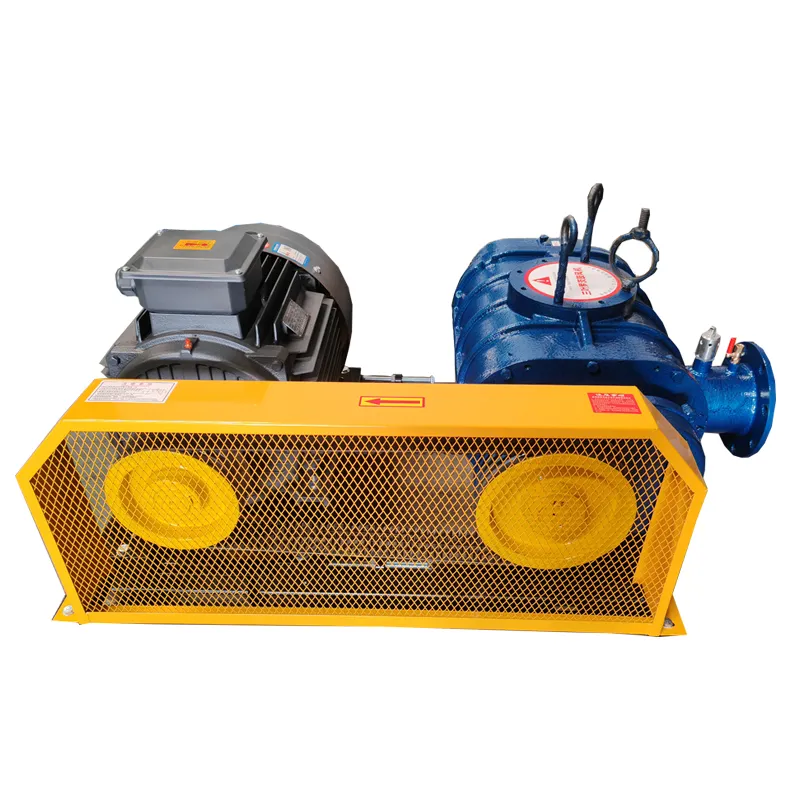
Maintaining optimal water quality in fish farming operations depends fundamentally on reliable oxygen delivery. An aquaculture roots blower serves as the backbone of any professional fish pond oxygen supply equipment setup, directly influencing fish health, growth rates, and overall farm productivity. Without consistent aeration, dissolved oxygen levels drop rapidly, creating stress conditions that compromise fish metabolism, increase disease susceptibility, and ultimately reduce profitability.
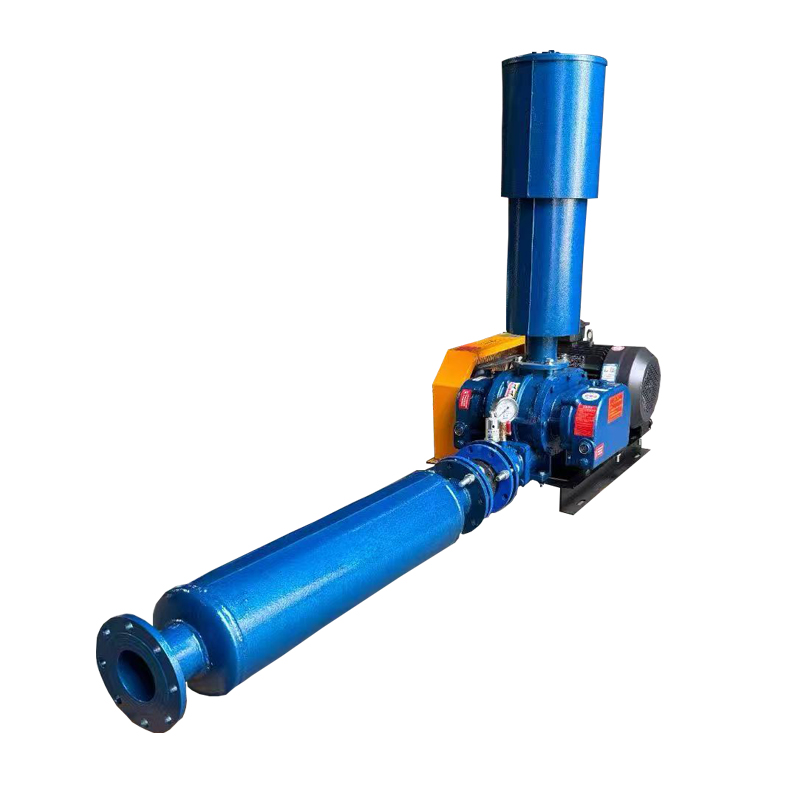
The selection of an appropriate aquaculture aeration system involves understanding how positive displacement blowers function, their operational advantages, and their role in maintaining stable dissolved oxygen concentrations. Fish farming professionals recognize that pond aeration is not optional—it is a critical infrastructure investment that determines whether operations thrive or fail. The right aquaculture air pump specifications ensure reliable performance under demanding continuous-duty conditions.
Understanding Oxygen Depletion in Fish Ponds
Why Fish Require Consistent Dissolved Oxygen
Fish extract oxygen from water through their gills, and dissolved oxygen availability directly controls their survival and performance. In intensive aquaculture operations, fish density far exceeds natural pond conditions, which means oxygen consumption rates climb dramatically. When dissolved oxygen falls below critical thresholds—typically below 5 milligrams per liter for most cultured species—fish experience physiological stress, reduced feeding response, and increased vulnerability to bacterial infections. An effective fish pond oxygen supply equipment system prevents these dangerous conditions.
Natural Oxygen Depletion Mechanisms
Water loses dissolved oxygen through several mechanisms simultaneously. Fish respiration consumes oxygen directly. Decomposing organic matter, including uneaten feed and dead organisms, drives bacterial activity that rapidly depletes remaining oxygen reserves. This process, called eutrophication, accelerates in warm weather and intensifies in stagnant water zones where circulation is poor. Traditional passive aeration methods—such as wind action or surface agitation—prove insufficient for commercial-scale aquaculture operations, necessitating mechanical solutions like an aquaculture roots blower to maintain adequate oxygen levels continuously.
How Roots Blower Technology Delivers Superior Aeration
Positive Displacement vs. Centrifugal Design
An aquaculture roots blower operates on positive displacement principles, meaning it moves a fixed volume of air per revolution regardless of downstream pressure conditions. This design delivers consistent airflow even when pond water depth increases resistance. Unlike centrifugal fans that lose efficiency as back-pressure increases, roots blowers maintain stable output, making them ideal for deep aquaculture basins and high-density operations. The aquaculture aeration system architecture built around roots technology ensures predictable oxygen delivery regardless of operational variations.
Air Distribution and Bubble Dynamics
The blower forces air through submerged diffusers or pipe networks, creating bubbles that rise through the water column. This upward bubble movement serves dual purposes: it introduces oxygen across the entire water depth and creates vertical circulation that prevents stratification. Proper bubble size matters significantly—medium fine bubbles maximize oxygen transfer efficiency while coarse bubbles escape too quickly. Advanced aquaculture air pump specifications account for diffuser selection and placement to optimize bubble dynamics within the specific pond geometry and water conditions.
Critical Performance Factors for Aquaculture Operations
Reliability Under Continuous Operation
Commercial fish farming demands aeration equipment that operates 24/7 without failure. An aquaculture roots blower engineered for continuous duty delivers the reliability that farming operations require. Roots blower design incorporates robust bearings, optimized rotor clearances, and durable materials that withstand extended runtime and thermal stress. When selecting aquaculture aeration system equipment, farmers must verify motor specifications, cooling provisions, and maintenance schedules to ensure uninterrupted operation during critical growth periods.
Energy Efficiency and Operating Costs
Operating costs represent a major expense in aquaculture facilities, and aeration energy consumption typically ranks among the highest utility drains. Modern aquaculture air pump specifications increasingly emphasize efficiency improvements that reduce power consumption per unit of air delivered. Variable frequency drives paired with dissolved oxygen monitoring systems allow operators to modulate blower output dynamically, reducing energy waste during low-demand periods. The investment in efficient fish pond oxygen supply equipment pays dividends over time through lower electricity bills and reduced operational overhead.
FAQ
What Dissolved Oxygen Levels Should I Maintain in Fish Ponds?
Most cultured fish species require dissolved oxygen above 5 milligrams per liter for healthy growth, with optimal conditions exceeding 6–7 milligrams per liter. Your aquaculture aeration system should be sized and operated to maintain these minimum thresholds continuously, even during peak daytime consumption and overnight respiration periods. Regular dissolved oxygen monitoring helps verify that your aquaculture roots blower and associated fish pond oxygen supply equipment are performing adequately.
How Do I Determine the Right Size Aquaculture Air Pump Specifications for My Pond?
Sizing calculations require knowledge of pond volume, stocking density, water temperature, and anticipated oxygen demand. The aquaculture aeration system capacity must exceed peak consumption rates, typically calculated as oxygen demand in milligrams per hour divided by transfer efficiency of your diffuser setup. Consult published aquaculture engineering guidelines or work with equipment suppliers who understand your specific crop species and water conditions to select appropriate aquaculture air pump specifications for reliable performance.
Can I Use a Standard Industrial Blower Instead of a Specialized Aquaculture Roots Blower?
While generic industrial blowers may operate initially, they lack design optimization for aquaculture applications. An aquaculture roots blower includes corrosion-resistant materials, thermal management for continuous duty, and performance curves matched to typical pond configurations. Generic equipment often fails prematurely in the corrosive, humid aquaculture environment. Investing in purpose-designed fish pond oxygen supply equipment ensures longer service life and more reliable operation than attempting to repurpose industrial equipment not engineered for these demanding conditions.