
 EN
EN
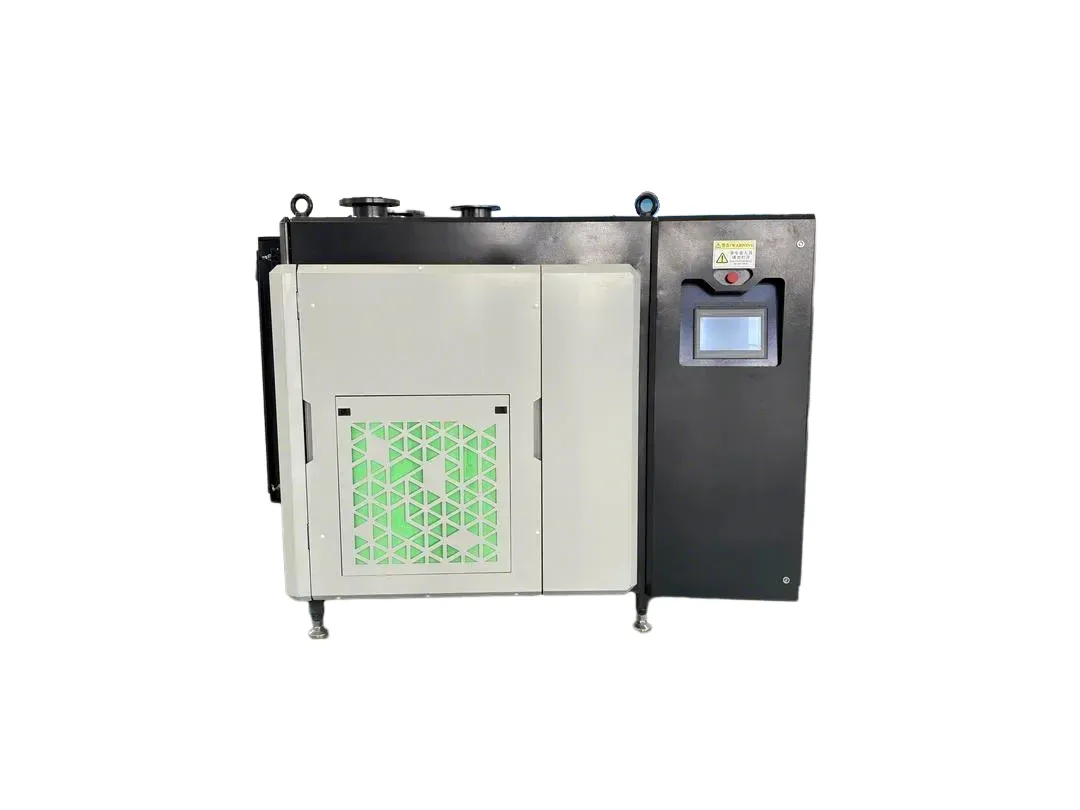
Organizations pursuing aggressive energy efficiency targets face mounting pressure to reduce operational costs without compromising performance. A magnetic levitation blower represents a transformational approach to meeting these goals by eliminating mechanical friction losses that plague traditional bearing systems. Unlike conventional blowers that depend on rolling element bearings, maglev technology suspends the rotor magnetically, creating a frictionless operating environment that dramatically reduces energy waste.
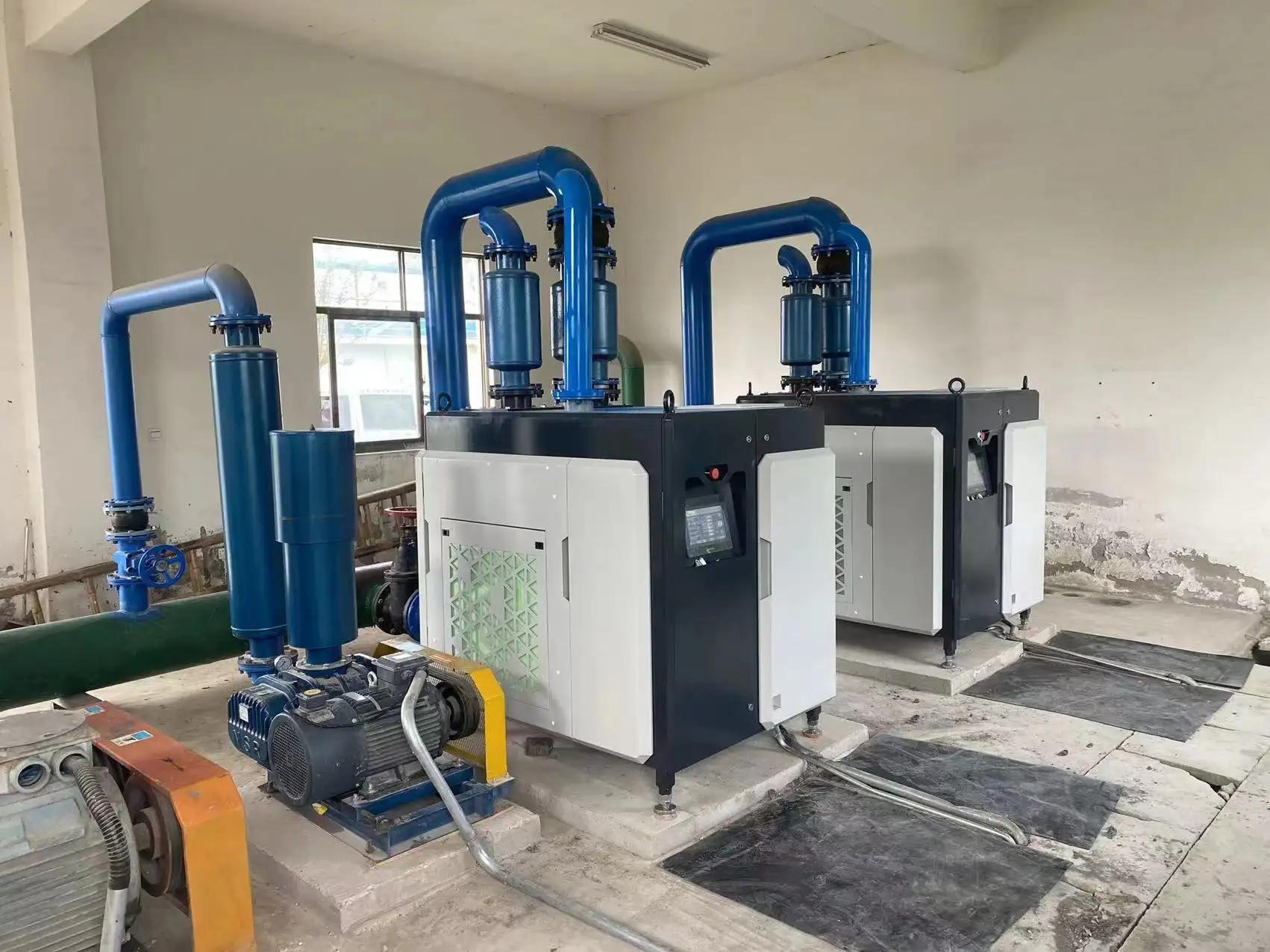
Energy efficiency is no longer a competitive advantage; it has become an operational necessity. Industrial facilities, data centers, manufacturing plants, and commercial HVAC systems consume enormous quantities of electricity, and blower systems often account for 10–15% of total facility energy use. When multiplied across thousands of operating hours annually, even small efficiency improvements translate into substantial cost savings and reduced carbon footprints. A magnetic levitation blower achieves these improvements by fundamentally changing how air circulation systems operate, delivering measurable performance gains that align directly with energy reduction mandates.
Understanding Maglev Bearing Technology
The Mechanics of Frictionless Suspension
Maglev bearing technology suspends a rotor using controlled magnetic fields rather than physical contact. This approach eliminates the friction, wear, and vibration inherent in traditional ball or sleeve bearings. The magnetic field strength is continuously adjusted to maintain precise rotor position, creating a stable, frictionless environment where the impeller can operate at maximum efficiency. Because no mechanical surfaces are rubbing together, there is no energy dissipation through friction, no bearing wear requiring replacement, and no lubrication oil heating and breakdown.
The engineering principle behind maglev bearing technology is elegantly simple yet technologically sophisticated. Permanent magnets or electromagnets generate repulsive or attractive forces that counterbalance the rotor weight and operational stresses. Active feedback systems continuously sense rotor position and adjust magnetic force in real-time, maintaining a gap of just a few millimeters between rotor and stator. This contactless design is the foundation of the non-contact air circulation system, enabling rotational speeds, load capacities, and reliability profiles that rival or exceed traditional bearing systems while consuming substantially less energy.
Energy Advantages Over Conventional Systems
A traditional blower loses 15–25% of input energy to mechanical friction, bearing heat generation, and lubrication system overhead. A contactless motor cooling solution inherent to magnetic levitation technology captures virtually all of this efficiency potential. Without bearing friction, thermal loads drop dramatically, reducing cooling requirements and allowing motor windings to operate at lower temperatures. Lower operating temperatures extend component lifespan, reduce cooling system load, and further decrease total energy consumption. The cumulative effect is a magnetic levitation blower that delivers the same airflow and pressure performance as a conventional unit while consuming 20–35% less electrical power.
Meeting Energy Efficiency Goals Through Operational Performance
Quantifying Energy Reduction and ROI
Consider a typical industrial facility running a 75 kilowatt blower system 8,000 hours annually. At an average electricity rate of $0.12 per kilowatt-hour, annual energy cost reaches $72,000. Upgrading to a magnetic levitation blower consuming 25% less energy reduces this cost to $54,000, delivering an annual savings of $18,000. Over a ten-year operational lifespan, total energy savings reach $180,000 before accounting for maintenance cost reductions, extended bearing life, and avoided replacement cycles. The contactless motor cooling solution also eliminates costly bearing replacement intervals, which typically occur every 15,000–25,000 operating hours in conventional systems. For many organizations, the payback period for a magnetic levitation blower investment falls between 2–4 years, after which all additional energy savings and maintenance avoided costs flow directly to the bottom line.
Beyond direct monetary return, energy efficiency improvements strengthen compliance with evolving regulatory standards. Industrial energy regulations, HVAC efficiency mandates, and corporate sustainability commitments increasingly require documented reductions in energy intensity. A non-contact air circulation system provides clear, verifiable efficiency gains that satisfy regulatory requirements and support corporate environmental objectives. Organizations can achieve documented energy intensity reductions of 20–30% by transitioning to magnetic levitation technology, strengthening their competitive positioning and reducing exposure to future regulatory tightening.
Reliability and Maintenance Cost Benefits
Traditional bearing systems generate heat through friction, require periodic lubrication, and eventually wear out, necessitating maintenance shutdowns and component replacement. Maglev bearing technology eliminates these failure modes entirely. Without mechanical contact surfaces, there is no wear mechanism, no bearing degradation, and no predictable failure interval. A magnetic levitation blower can operate indefinitely without scheduled bearing maintenance, reducing downtime, extending service intervals, and lowering total cost of ownership. Many maglev systems achieve mean-time-between-failure ratings exceeding 100,000 hours, compared to 30,000–50,000 hours typical of advanced conventional bearing systems. The reliability advantage translates directly into lower operational costs, fewer emergency maintenance calls, and improved system availability.
Implementation Considerations for Energy Goals
System Sizing and Application Fit
Magnetic levitation blower technology performs optimally across a broad range of industrial and commercial applications, though proper sizing ensures maximum energy benefit realization. HVAC systems, cooling towers, dust collection units, air handling systems, and industrial process ventilation all benefit from maglev bearing technology. The non-contact air circulation system design accommodates variable flow demand, part-load operation, and full-load performance without efficiency penalty. Unlike conventional blowers that lose efficiency at reduced speeds, a magnetic levitation blower maintains high efficiency across its operating range, making it ideal for applications with variable demand patterns. Facilities implementing variable frequency drives alongside maglev technology achieve even greater energy savings, as the combination optimizes both motor speed control and frictionless bearing operation.
When evaluating magnetic levitation blower options, facility managers should conduct thorough life-cycle cost analysis comparing upfront capital investment against long-term energy and maintenance savings. Modern maglev systems have achieved cost competitiveness with premium conventional blowers while delivering superior energy performance. Organizations prioritizing energy efficiency goals should treat magnetic levitation technology as a strategic investment with measurable, quantifiable returns extending across 10–15 year operational horizons. Installation into existing system footprints often requires minimal modification, enabling retrofit applications where replacement blowers reach end-of-life.
Integration with Facility Energy Management
A magnetic levitation blower serves as a cornerstone component within broader facility energy management programs. When integrated with building automation systems, demand-side energy monitoring, and predictive maintenance platforms, maglev technology provides real-time performance visibility and optimization opportunities. Contactless motor cooling solution characteristics enable seamless integration with IoT sensors, allowing continuous monitoring of bearing status, motor temperature, vibration levels, and energy consumption. This data enables predictive maintenance scheduling, identifies emerging inefficiencies before they escalate, and supports continuous optimization of system operation.
FAQ
What makes a magnetic levitation blower more energy efficient than conventional systems?
A magnetic levitation blower achieves superior energy efficiency by eliminating mechanical friction entirely through maglev bearing technology. Traditional bearings lose 15–25% of input energy to friction and heat generation, whereas contactless magnetic suspension operates with near-zero friction losses. The magnetic field continuously adjusts to maintain precise rotor suspension, creating a frictionless environment where all input energy converts to productive air circulation. Additionally, the non-contact air circulation system design eliminates lubrication overhead and reduces cooling requirements, enabling additional efficiency gains throughout the system.
How quickly do the energy savings from a magnetic levitation blower justify the investment?
Payback periods typically range from 2–4 years depending on facility operating hours, electricity rates, and system size. A 75-kilowatt magnetic levitation blower reducing energy consumption by 25% saves approximately $18,000 annually in typical industrial settings. Over five years, cumulative energy savings reach $90,000 before accounting for eliminated maintenance costs and extended component lifespan. When life-cycle analysis includes avoided bearing replacement, reduced cooling costs, and extended operational intervals, total financial benefit substantially exceeds initial capital investment within the first five years of operation.
Can a magnetic levitation blower integrate into existing facility systems?
Yes, maglev bearing technology systems are designed for straightforward integration into existing facility infrastructure. Most retrofit applications require minimal modification to mounting, ducting, or electrical connections. A contactless motor cooling solution operates within standard electrical supply parameters and can integrate seamlessly with existing variable frequency drives, building automation systems, and control networks. Facility managers should verify dimensional and connection compatibility, but magnetic levitation blower retrofit installations typically proceed without major system redesign, enabling rapid deployment of energy efficiency improvements.