 EN
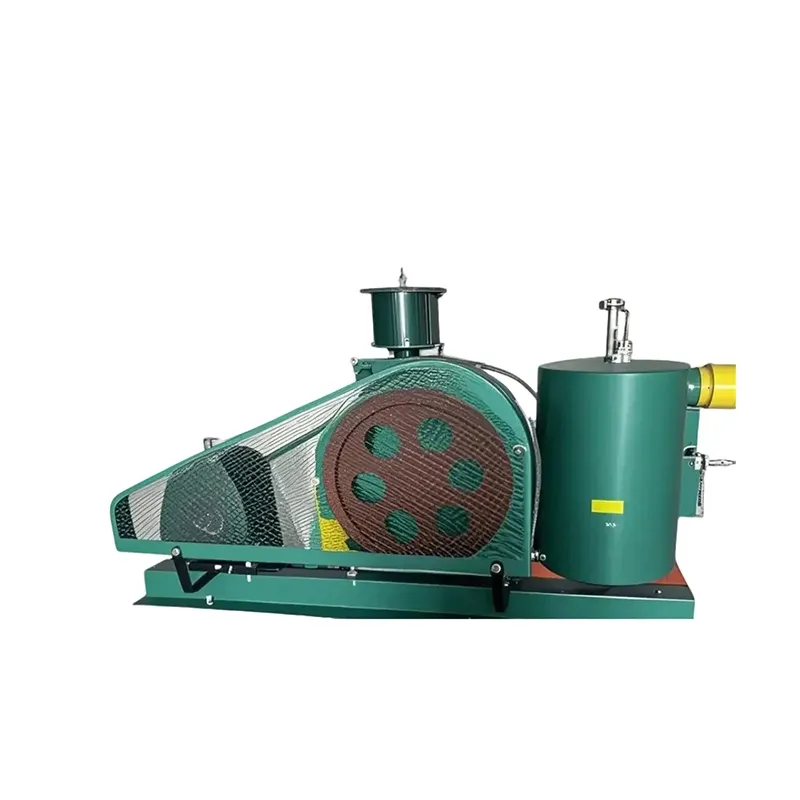
A positive displacement blower has become a cornerstone technology in modern industrial operations, particularly in applications requiring consistent, reliable airflow under demanding conditions. Industrial facilities depend on equipment that delivers predictable performance, and this is precisely where a positive displacement blower excels. Unlike centrifugal alternatives, a positive displacement blower operates on a fundamentally different principle that makes it uniquely suited to challenging industrial environments where consistency and dependability matter most.
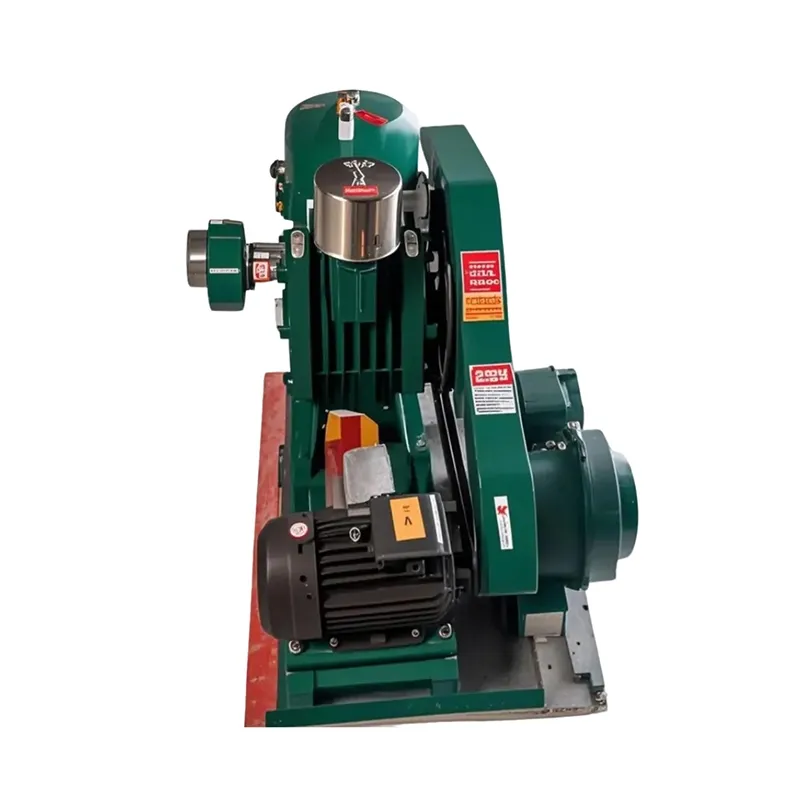
Industrial managers and facility engineers specify a positive displacement blower because the technology solves real operational challenges that conventional equipment cannot address as effectively. The decision to invest in a positive displacement blower reflects a commitment to operational excellence, reduced downtime, and long-term cost efficiency. Understanding why this equipment is chosen across industries provides insight into the core value drivers shaping industrial purchasing decisions today.
How Positive Displacement Blower Technology Ensures Reliability
Operating Mechanism and Consistency
A positive displacement blower operates by trapping air in an expanding chamber and forcing it into the discharge line, delivering a fixed volume of air per shaft rotation. This mechanical certainty means that output remains consistent regardless of pressure variations or system load fluctuations. Industrial applications like wastewater aeration, pneumatic conveying, and vacuum systems require this unwavering consistency, and a positive displacement blower delivers it reliably across thousands of operating hours.
The fixed-volume displacement principle eliminates the unpredictability associated with centrifugal blowers, which depend heavily on speed and backpressure balance. When industrial processes demand guaranteed airflow delivery, a positive displacement blower becomes the preferred choice because its output is fundamentally predictable. This mechanical advantage translates directly into process reliability and reduced operational surprises.
Pressure Capability and Performance Range
Industrial applications frequently operate at higher pressure requirements than standard centrifugal equipment can efficiently handle. A positive displacement blower excels in these elevated-pressure scenarios, delivering consistent performance across a broader pressure range without requiring speed adjustments or complex control systems. Facilities handling dense slurries, high-resistance filtration, or vacuum applications rely on a positive displacement blower because it maintains performance when pressure demands increase.
The ability to handle variable pressure loads makes a positive displacement blower indispensable in pneumatic conveying systems, where material resistance and line pressure fluctuate constantly. Industrial operators appreciate this resilience because it reduces the need for backup equipment and emergency interventions during peak demand periods.
Operational Advantages for Industrial Process Integrity
Minimal Pulsation and Smooth Delivery
Despite the mechanical nature of positive displacement technology, modern positive displacement blower designs produce remarkably smooth airflow delivery with minimal pulsation. This smooth operation protects sensitive downstream equipment and ensures process stability in applications where flow disruptions could compromise product quality or system performance. Industrial facilities processing delicate materials or operating precision instruments value this smooth delivery characteristic.
Wastewater treatment plants, food processing facilities, and environmental management systems depend on a positive displacement blower to maintain steady aeration and stable process conditions. The engineering sophistication built into contemporary positive displacement blower designs has effectively eliminated the noise and vibration problems associated with older rotary technology, making modern units suitable for facilities with strict operational standards.
Energy Efficiency in Demanding Conditions
A positive displacement blower operates at its peak efficiency across a wider operational range than centrifugal equipment. While centrifugal blowers perform optimally at their design point, efficiency drops sharply when operating conditions deviate. A positive displacement blower maintains acceptable efficiency even when pressure or load conditions change, resulting in more stable energy consumption and lower operating costs over extended facility runtime.
Industrial energy management strategies increasingly recognize that a positive displacement blower's consistent efficiency translates into measurable cost savings. Facilities operating continuously or facing variable demand patterns benefit significantly from the stable power consumption profile that positive displacement technology provides. This efficiency advantage compounds over years of operation, delivering substantial financial benefits beyond the initial equipment investment.
Maintenance Requirements and Lifecycle Economics
Durability and Service Intervals
A positive displacement blower is engineered for extended service life when properly maintained, with robust internal components designed to withstand thousands of operating hours. Industrial buyers appreciate the long service intervals and reduced maintenance frequency compared to alternative technologies. The mechanical simplicity of a positive displacement blower actually works in favor of reliability, as fewer complex systems mean fewer potential failure points.
Scheduled maintenance of a positive displacement blower focuses on straightforward tasks like bearing lubrication, belt inspection, and housing checks. This predictability allows industrial facilities to plan maintenance budgets accurately and minimize unexpected downtime. The transparent maintenance requirements make a positive displacement blower an attractive option for facility managers who prioritize operational predictability.
Total Cost of Ownership Advantage
When industrial decision-makers evaluate a positive displacement blower against alternatives, they increasingly consider total cost of ownership rather than purchase price alone. The combination of extended service life, predictable maintenance requirements, stable efficiency, and minimal downtime creates a compelling financial case. Facilities that have operated a positive displacement blower for multiple years report lower overall operating costs compared to frequent replacement or repair cycles associated with less robust equipment.
The reputation of a positive displacement blower as a workhorse technology reflects real-world experience across thousands of industrial installations. This track record of performance and reliability justifies the specification decision across wastewater management, industrial gas handling, and vacuum applications where equipment failure creates cascading operational consequences.
FAQ
What specific applications benefit most from a positive displacement blower?
A positive displacement blower excels in wastewater aeration, pneumatic conveying systems, vacuum applications, industrial gas handling, and any process requiring stable, predictable airflow under variable pressure conditions. These applications share the common requirement for equipment that maintains performance consistency regardless of load fluctuations, making a positive displacement blower the natural technology choice. Industries ranging from environmental treatment to manufacturing rely on this equipment for mission-critical operations.
How does a positive displacement blower differ from centrifugal blower technology?
A positive displacement blower delivers fixed volume per shaft rotation, maintaining consistent output regardless of pressure changes, while centrifugal blowers depend on speed and pressure balance for operation. This fundamental difference means a positive displacement blower excels in high-pressure applications and maintains efficiency across variable operating conditions. Centrifugal equipment performs optimally at design conditions but loses efficiency when operational parameters shift, whereas a positive displacement blower adapts more effectively to changing demand.
What maintenance costs should industrial facilities budget for a positive displacement blower?
Maintenance costs for a positive displacement blower typically remain modest and predictable, focusing on routine lubrication, bearing inspection, and periodic seal replacement. Extended service intervals mean fewer maintenance events annually compared to alternative technologies, reducing labor and parts expenses. Many industrial facilities report that a positive displacement blower delivers lower total maintenance costs over its operational lifetime, despite potentially higher initial purchase price, making it a sound investment from a lifecycle economics perspective.