
 EN
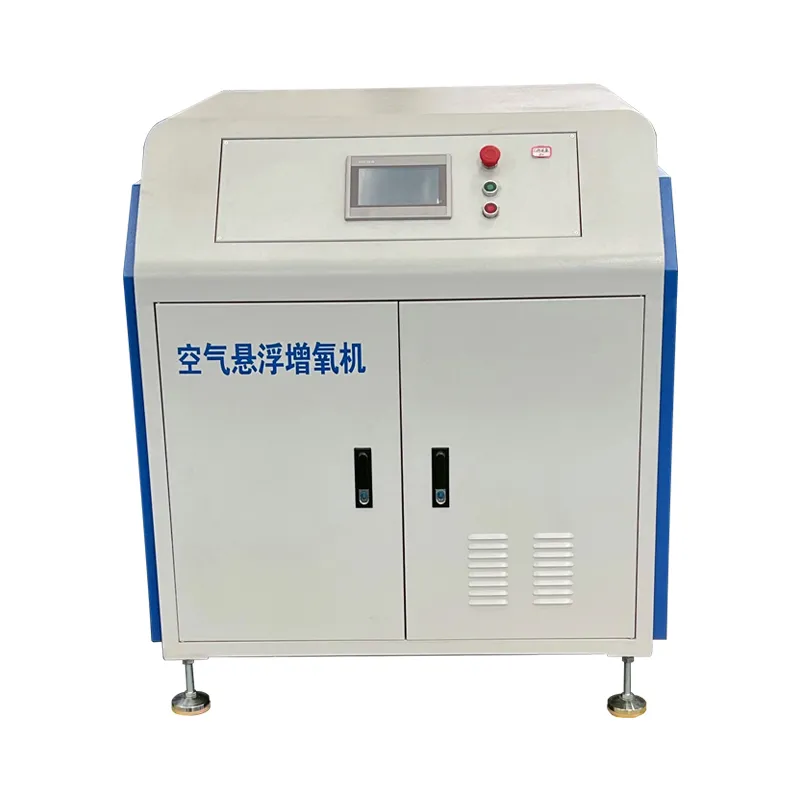
The modern wastewater treatment industry faces mounting pressure to improve operational efficiency, reduce energy consumption, and maintain system reliability under increasingly stringent environmental regulations. An air suspension blower has emerged as a transformative technology that directly addresses these critical challenges. By combining advanced pneumatic suspension system maintenance principles with high-efficiency aeration design, this equipment delivers superior performance compared to conventional blower systems used in wastewater treatment facilities worldwide.
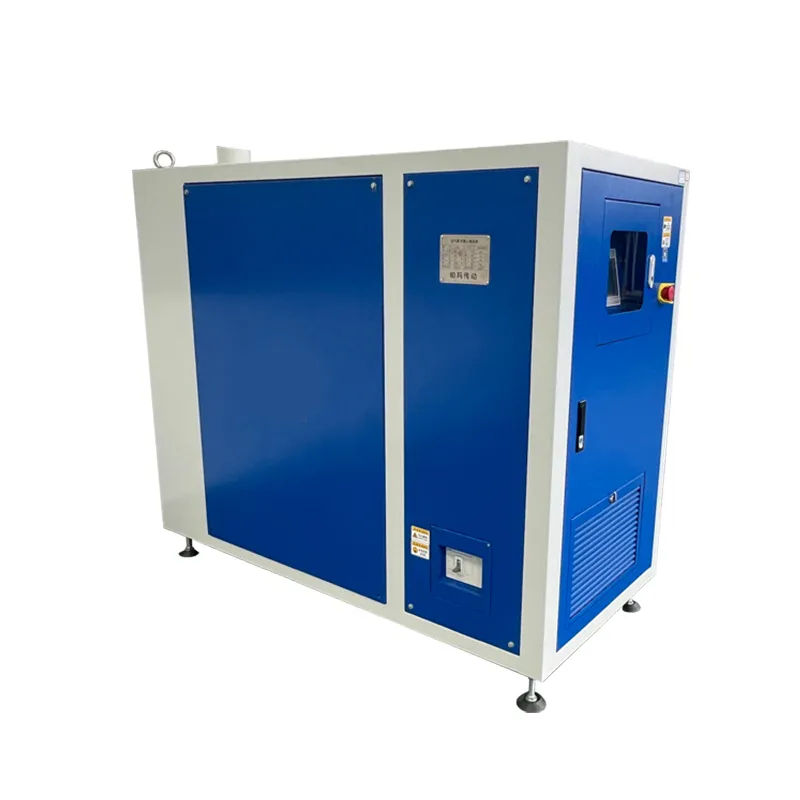
Wastewater treatment operators understand that aeration represents one of the largest energy expenditures in biological treatment processes. The air suspension blower technology fundamentally improves how oxygen is delivered to treatment basins, enabling facilities to achieve better dissolved oxygen profiles while consuming less electrical power. This dual benefit of performance and efficiency explains why leading treatment plants are rapidly adopting this innovation across their operations and infrastructure investments.
Core Technology Behind Air Suspension Blower Performance
Pneumatic Suspension System Principles
At the heart of an air suspension blower lies an advanced pneumatic suspension system maintenance framework that isolates the rotating assembly from external vibration and operational stress. Traditional blower designs rely on fixed bearing mounts that transmit vibration directly into facility structures, leading to accelerated wear and maintenance demands. The pneumatic suspension system maintenance design uses pressurized air springs to float the motor and impeller assembly, dramatically reducing mechanical shock and extending component lifespan.
This suspension approach also improves rotational stability and reduces noise emissions significantly. Wastewater treatment facilities located near residential areas benefit from the quieter operation profile. The air spring compressor pump that maintains pressure in the suspension system operates automatically, requiring minimal operator intervention once the initial setup is complete. This integration of the air spring compressor pump within the blower assembly creates a self-regulating system that adapts to varying load conditions throughout the treatment day.
Superior Aeration Efficiency
The air suspension blower design enables higher impeller blade tip speeds and more consistent air delivery compared to conventionally mounted blowers. This translates to improved oxygen transfer efficiency in activated sludge basins and secondary treatment stages. Treatment facilities report oxygen transfer rate improvements of fifteen to twenty-five percent when upgrading from standard blowers to pneumatic suspension system maintenance equipped models. These efficiency gains directly reduce the megawatt-hours consumed annually, creating measurable cost savings on utility expenses.
Dissolved oxygen distribution becomes more uniform across treatment basins when air suspension blower systems deliver consistent airflow without the pulsing or surging common in fixed-bearing designs. Better oxygen distribution enhances biological treatment performance, improving effluent quality metrics and regulatory compliance simultaneously. The air spring compressor pump maintains optimal suspension pressure regardless of seasonal temperature variations or aging of the system components.
Operational Advantages and System Reliability
Reduced Maintenance and Extended Equipment Life
Facilities implementing air suspension blower technology experience substantial reductions in routine maintenance costs and unplanned downtime. The pneumatic suspension system maintenance design eliminates many stress points that cause bearing failure, seal degradation, and coupling wear in conventional blowers. Maintenance schedules stretch longer between required service intervals, and repair complexity decreases significantly when issues do arise.
The air leveling suspension troubleshooting process is straightforward compared to diagnosing problems in systems with rigid mechanical mounts. Operators can monitor suspension pressure gauges to verify system health, and air spring compressor pump performance indicates overall system condition at a glance. Many facilities report equipment lifespan extensions of five to ten years or more when operating air suspension blower systems under proper maintenance protocols.
Vibration Damping and Structural Protection
Traditional blower installations create vibration that propagates through facility foundations and structures, gradually causing stress fractures in concrete and weakening structural integrity over years of operation. An air suspension blower virtually eliminates these vibration transmission pathways by isolating rotating components through pneumatic suspension system maintenance. This protection preserves facility infrastructure and reduces long-term structural repair expenses.
Surrounding equipment, instrumentation, and sensor systems also benefit from the reduced vibration environment. Analytical instruments maintain calibration longer when not subjected to continuous mechanical shock. Control system stability improves, reducing false alarm events and unnecessary corrective actions. The air leveling suspension troubleshooting capability allows operators to detect subtle changes in system balance before they escalate into serious problems requiring emergency maintenance.
Implementation Considerations and Best Practices
Selection Criteria for Treatment Applications
Treatment facilities should evaluate air suspension blower suitability based on basin volume, required airflow rates, and current energy costs. Systems sized between fifty and five hundred cubic meters per hour represent the optimal range for realizing maximum efficiency benefits from pneumatic suspension system maintenance technology. Smaller facilities may achieve adequate results with conventional designs, while larger facilities might require multiple air suspension blower units strategically distributed across treatment zones.
Energy cost analysis should factor in both electrical consumption reductions and extended equipment replacement cycles. The air spring compressor pump integration adds modest equipment cost upfront but delivers substantial lifetime value through reduced maintenance spending. Most facilities achieve return on investment within three to seven years depending on local energy rates and existing equipment condition.
Installation and Commissioning
Proper installation of an air suspension blower requires qualified technicians who understand pneumatic suspension system maintenance procedures and pressure calibration protocols. The air leveling suspension troubleshooting process begins during commissioning, where technicians verify suspension pressure settings match equipment specifications and perform baseline vibration measurements for future reference. Initial training on air spring compressor pump monitoring and routine checks ensures operators understand the technology and can identify potential issues early.
Treatment facilities benefit from establishing documented maintenance schedules that address both pneumatic suspension system maintenance requirements and traditional blower service needs. Regular pressure checks on the air spring compressor pump prevent suspension performance degradation. Quarterly vibration analysis provides early warning of developing mechanical problems before they impact aeration performance or equipment reliability.
FAQ
How does an air suspension blower reduce energy consumption in wastewater treatment?
The pneumatic suspension system maintenance design enables more efficient impeller operation and improved oxygen transfer rates, requiring less airflow to achieve target dissolved oxygen levels. Facilities consistently report energy consumption reductions of ten to twenty percent compared to conventional blower systems, directly lowering utility costs while maintaining or improving treatment performance.
What maintenance does the air spring compressor pump require?
The air spring compressor pump operates automatically to maintain suspension pressure within specification. Routine maintenance involves monthly pressure verification against equipment specifications and annual filter replacement. The air leveling suspension troubleshooting process is straightforward since pressure gauges provide immediate system status feedback.
Can existing wastewater treatment facilities retrofit air suspension blower systems?
Most facilities can retrofit air suspension blower technology into existing infrastructure with minimal basin or piping modifications. The pneumatic suspension system maintenance mounted blowers connect to existing diffuser systems and control instrumentation. Retrofit feasibility depends on current blower foundation condition and electrical service capacity, making site assessment essential before implementation planning.