
 EN
EN
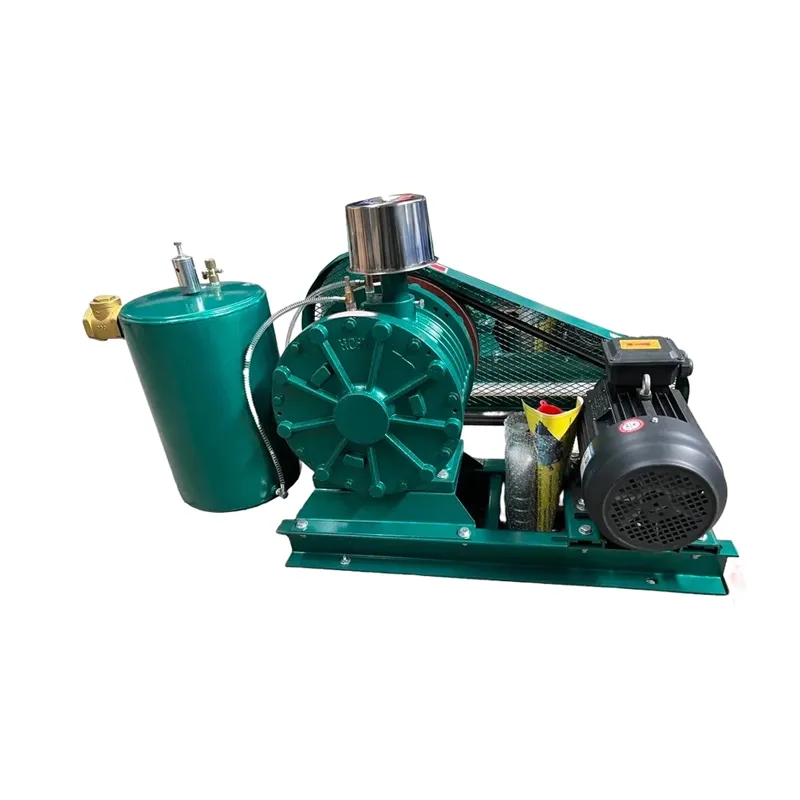
Critical industrial processes demand equipment that performs consistently under demanding conditions. Positive displacement blowers have become essential in sectors ranging from wastewater treatment to pneumatic conveying, chemical processing, and food production. These machines deliver predictable flow rates and maintain stable pressure regardless of downstream resistance, making them the preferred choice for applications where reliability cannot be compromised.
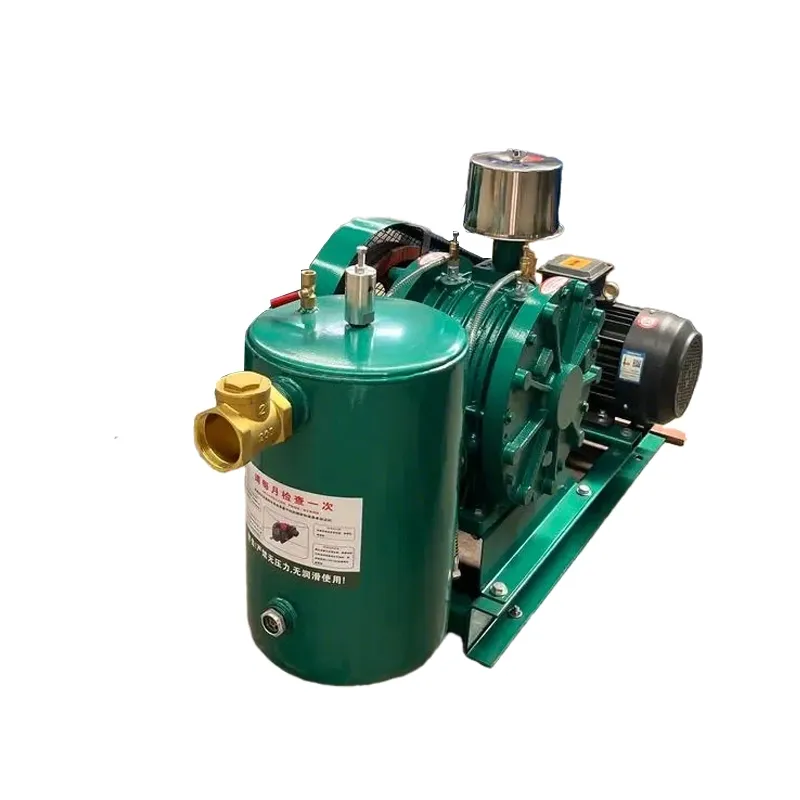
Understanding how these machines work and why they excel in critical environments is essential for process engineers and facility managers. Unlike centrifugal blowers that rely on dynamic principles, positive displacement equipment moves a fixed volume of air or gas with each rotation. This fundamental difference creates operational advantages that directly translate to improved process reliability, reduced downtime, and better cost control in mission-critical applications.
How Positive Displacement Blowers Deliver Consistent Performance
Fixed Volume Displacement Mechanism
Positive displacement blowers operate by trapping a specific volume of gas and forcing it into the discharge line with each shaft rotation. The rotary lobe blower applications demonstrate this principle effectively, with two rotating lobes that mesh and create expanding and contracting chambers. As the lobes rotate, gas enters through the inlet, becomes trapped between the lobe and the housing, and is then discharged under pressure. This mechanical action ensures that flow rate remains constant regardless of system backpressure, delivering predictable performance that centrifugal equipment cannot match.
Reliability Benefits in Demanding Environments
The mechanical certainty of positive displacement operation eliminates many failure modes associated with dynamic blowers. In wastewater aeration, pneumatic conveying, and other critical processes, flow rate consistency prevents process disruptions caused by pressure fluctuations. System reliability improves because the blower maintains its discharge pressure automatically as system resistance changes. This self-regulating characteristic means fewer control adjustments, reduced strain on downstream equipment, and extended intervals between maintenance events in critical infrastructure.
Selecting the Right Positive Displacement Blower for Your Application
Positive Displacement Pump Selection Guide Fundamentals
Choosing the appropriate blower requires careful evaluation of application-specific requirements. The positive displacement pump selection guide approach starts with determining the required flow rate at maximum operating pressure and identifying the gas composition, temperature range, and presence of moisture or contaminants. For wastewater treatment, aeration blowers must handle saturated air while maintaining consistent bubble size. Chemical processing applications may require blowers rated for corrosive vapor exposure. Food production systems demand sanitizable designs that prevent product contamination. Each industry vertical imposes unique demands that influence blower model selection and configuration choices.
Performance Specifications and Operating Conditions
Beyond basic flow rate calculations, engineers must evaluate pressure requirements, inlet conditions, and duty cycle patterns when following positive displacement pump selection principles. Some processes require low-pressure, high-volume operation, while others demand moderate pressure with consistent delivery. Temperature extremes, altitude variations, and inlet air quality significantly impact blower selection outcomes. Rotary lobe blower applications in sealed-system pneumatic conveying differ fundamentally from open-loop aeration systems. A comprehensive selection process considers motor size, speed, temperature rise, and sound level alongside core performance metrics to ensure the chosen equipment delivers reliability throughout its operational life.
Comparing Positive Displacement and Centrifugal Technologies
Screw Blower vs Centrifugal Blower Operating Principles
The screw blower vs centrifugal blower comparison reveals fundamental differences in how these machines function. Screw designs use intermeshing rotors that trap and move gas forward, similar to positive displacement operation but with different rotor geometry. Centrifugal blowers accelerate gas outward using blade rotation, then convert velocity into pressure through a diffuser. In critical processes where flow predictability matters most, screw and rotary lobe positive displacement designs outperform centrifugal equipment because they maintain constant volume displacement regardless of discharge pressure. However, centrifugal blowers excel in low-pressure applications requiring maximum energy efficiency and minimal sound generation.
Critical Process Advantages of Displacement Technology
Positive displacement technology provides measurable reliability benefits in applications where process interruption carries significant consequences. Wastewater treatment plants cannot tolerate aeration failures because biosolids settling and effluent quality degrade within minutes. Pneumatic conveying systems using positive displacement blowers prevent blockages and maintain product flow to sensitive downstream processes. Pressure-sensitive chemical reactions depend on stable gas supply that only positive displacement equipment can guarantee. The screw blower vs centrifugal blower analysis consistently shows that displacement technology delivers superior reliability, though at higher initial cost and slightly lower maximum efficiency ratings. For critical applications, the reliability premium justifies the investment in positive displacement equipment.
FAQ
What Makes Positive Displacement Blowers More Reliable Than Centrifugal Models?
Positive displacement blowers maintain constant flow rate regardless of downstream pressure because they mechanically trap and move a fixed gas volume with each rotation. Centrifugal blowers rely on speed and aerodynamic principles, so their flow rate drops significantly as system resistance increases. In critical processes where consistent flow prevents operational failure, the mechanical certainty of positive displacement operation eliminates pressure-related disruptions that plague centrifugal systems. Additionally, rotary lobe blower applications in wastewater aeration demonstrate superior low-speed torque characteristics and startup reliability compared to centrifugal alternatives.
How Do I Choose Between Different Positive Displacement Designs?
Following a positive displacement pump selection guide, start by calculating your actual flow requirement at maximum operating pressure, then identify gas composition and inlet conditions. Rotary lobe designs suit most general industrial applications because they offer compact footprints, proven reliability, and wide availability. Screw blower configurations provide lower sound levels and handle some specialty applications more effectively. Your selection process should also consider motor power requirements, temperature rise, maintenance frequency, and spare parts availability. Equipment manufacturers can help match blower type to your specific application demands using industry-standard selection criteria.
Can Positive Displacement Blowers Replace Centrifugal Equipment in Existing Systems?
Retrofitting a system designed for centrifugal blowers with positive displacement equipment requires careful engineering evaluation because the technologies behave differently under varying load conditions. Positive displacement blowers maintain higher discharge pressure and may require relief valves if the system was designed for centrifugal operation. However, the screw blower vs centrifugal blower comparison shows that many critical applications benefit from conversion to positive displacement technology because reliability and pressure stability improve significantly. System piping, pressure switches, and control logic may require modifications, but the enhanced process reliability often justifies the upgrade investment in mission-critical applications.